Homemade Shave Oil and Shave Soap

IMG_0479

When you peek at the back of a shaving cream can, you may notice a longer list of ingredients than the processed food in the grocery store.  Almost all of the ingredients are unpronounceable, and really a bit scary when you think of what impact those ingredients have on our bodies once they are absorbed into our skin.

My husband has been searching for a good shave soap for years now and he continued to come up empty handed.  He has very sensitive skin and couldn’t seem to locate anything that worked, didn’t contain a ton of chemicals, and didn’t irritate his skin.

So, like many other things in our life, we decided to try our hand at making our own.  My hubby has been extremely happy with how these products turned out, and he uses them on a daily basis, confident in the fact that toxins are not leaching into his system, and he does’t have to worry about skin irritation issues.

Sandalwood, Cedarwood & Bay Shave Oil

(Apply a small amount of this Shave Oil prior to shaving.  Follow with Shave Soap.)

1/2 cup organic extra virgin olive oil

1 cup castor oil

10 drops sandalwood essential oil

10 drop cedarwood essential oil

5 drops bay essential oil

4 oz. amber bottles with lids (I bought mine here.)

medium-sized bowl

metal spoon

funnel

Mix the olive oil and caster oil in a medium bowl.  Then, slowly mix in the three essential oils.  Using a funnel, pour the shave oil into the amber bottles.  Cap.  Enjoy.

Sandalwood, Cedarwood & Bay Shave Soap

(Place a bar of this soap in the bottom of a large mug.  Thoroughly wet a shave brush and then vigorously rub it over the bar of shave soap.  Lather the soap on your face and you are ready to begin shaving.)

1 pound Melt and Pour Soap Base (I use this Goat’s Milk Soap Base.)

2 teaspoons bentonite clay (I purchase mine from this local natural food store, but you can get it here.)

10 drops sandalwood essential oil

10 drops cedarwood essential oil

5 drops bay essential oil

a shallow pot or saucepan

a glass bowl

wooden spoon

soap molds (You can purchase these at your local craft store or here.)

Fill the pot or saucepan half full with water.  Bring to a simmer.  Place the glass bowl in the pot of water to create a double boiler of sorts.  Place the melt and pour soap base in the glass bowl.  Stir the base with a wooden spoon until it melts.  Remove the bowl from the heat and quickly mix in the clay.  Then add the three essential oils and stir.  Allow the mixture to cool just slightly (enough to thicken the mixture just a bit).  Pour into your molds.  Allow to rest until completely cool.  Remove the soap from the molds.  Enjoy.

IMG_0480

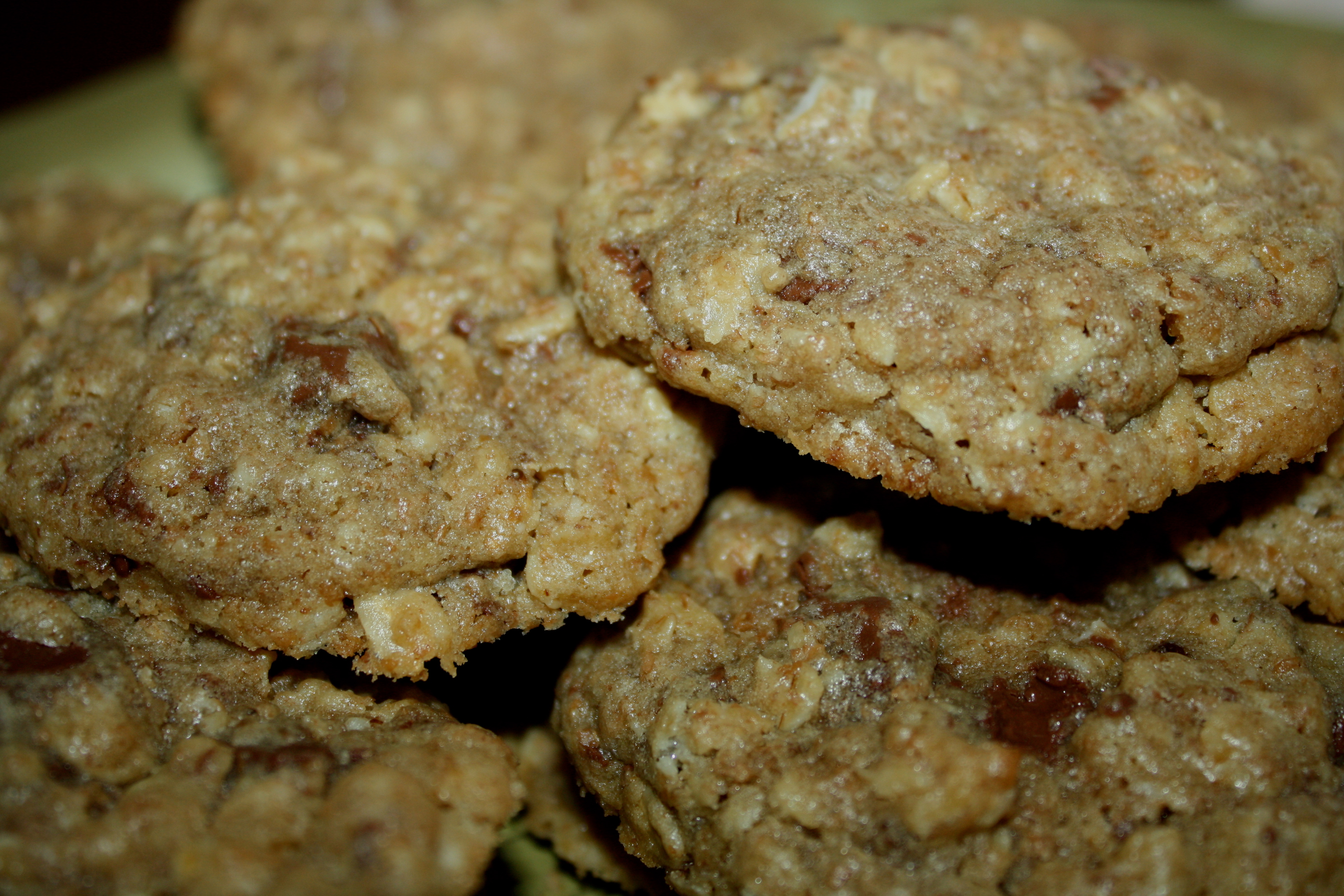
Hearty Oatmeal Chocolate Chunk Cookies

IMG_0334

I am constantly testing out recipes in my kitchen, attempting to incorporate local organic ingredients to amp up the healthiness of the goodies we love to eat, while also keeping them super yummy.  I still had some locally-grown rolled oats in my fridge from this farmer and whole wheat flour from this farming family, so I created this recipe to highlight those hearty grains and their lovely earthy, nutty flavors.  Enjoy!
Ingredients:

1/2 cup butter

1/2 cup coconut oil

1 cup brown sugar (packed)

1/2 cup granulated cane sugar

2 eggs

1 teaspoon vanilla

1/2 baking soda

1 cup whole wheat flour

1 cup all-purpose flour

1 1/2 cups rolled oats (not quick oats)

4-6 oz. high quality milk chocolate chopped into chunks (I love using Green & Black’s Organic Chocolate in all my baking.)

Cream the butter, coconut oil, and both sugars using a hand blender or stand mixer.  Then blend in the eggs and the vanilla.  After all of these ingredients have been well incorporated, add the baking soda, followed by both flours.  Now, mixing by hand, add the oats and chocolate.

Scoop the dough out (about 2 tablespoon-size) and bake at 375 degrees for 7-9 minutes, depending on whether you like chewy oatmeal cookies or crunchy ones.

*A note about all my recipes:  I use all organic ingredients, local when available.  I use non-homogenized milk, and all of the dairy we use is from animals raised on pasture. I also use oils that are non-GMO verified.  All our meat is raised locally on organic feed, and our beef is grass-fed, grass-finished.  All our spices and cane sugar are fair-trade certified and purchased through a cooperative.

Venison Chorizo

IMG_0446

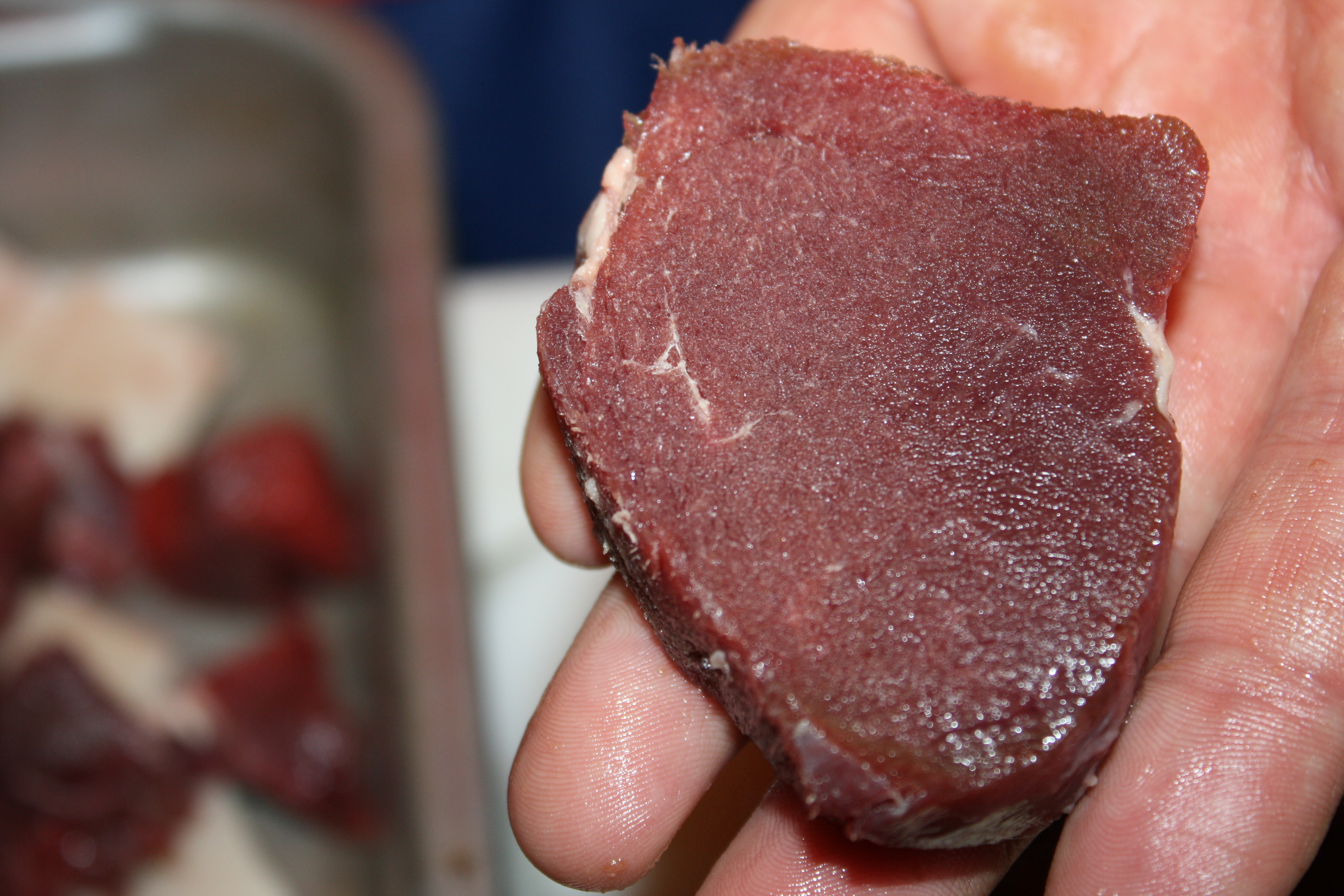
My hubby has been out there in the wee hours of the morning, waiting patiently for a deer to meander his way for a long time now.  Eight years if we are counting.  But who is really?  Well, after all this time, it finally happened.  We have fresh venison!  And I must say it is a festival of all things venison around here these days….venison stew, venison burgers, venison meatloaf…and as of yesterday, venison chorizo.  Yum.

IMG_0458

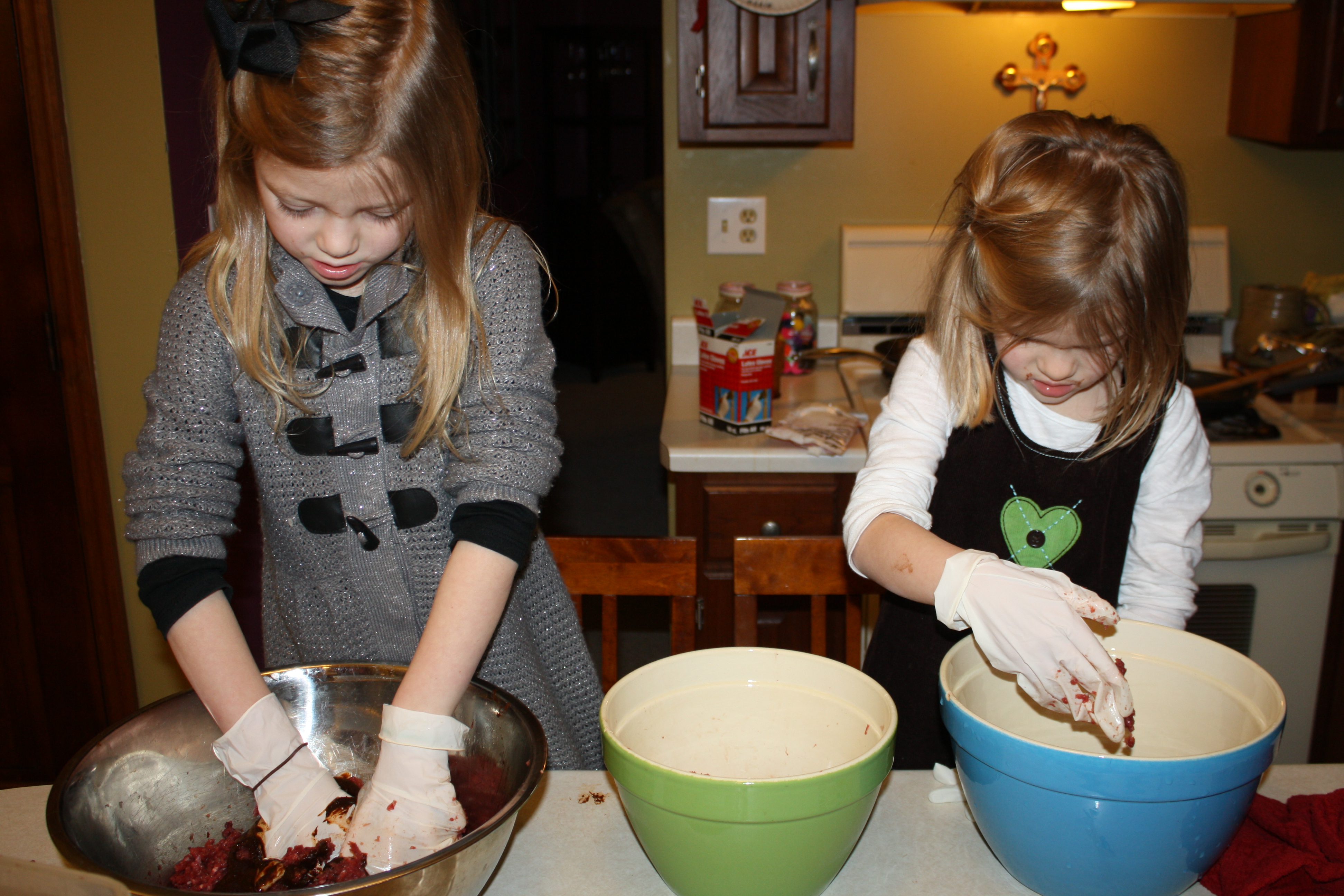
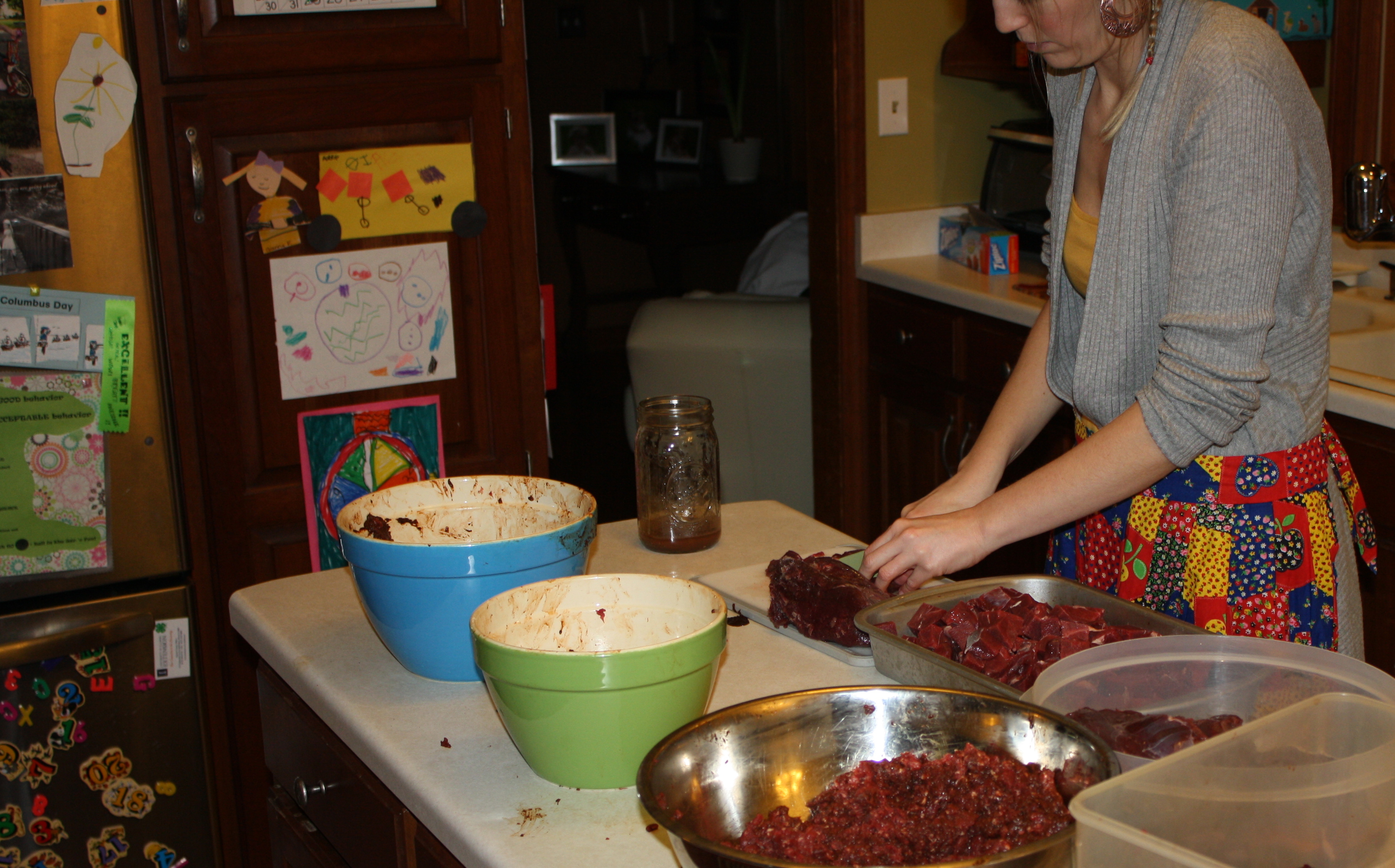
The whole family got involved yesterday afternoon, as the temperature around here plummeted into the single digits and we were forced indoors.  We used our absolutely favorite chorizo recipe from Rick Bayless’ Mexico One Plate at a Time, substituting the pork shoulder the recipe calls for, with venison.

IMG_0453

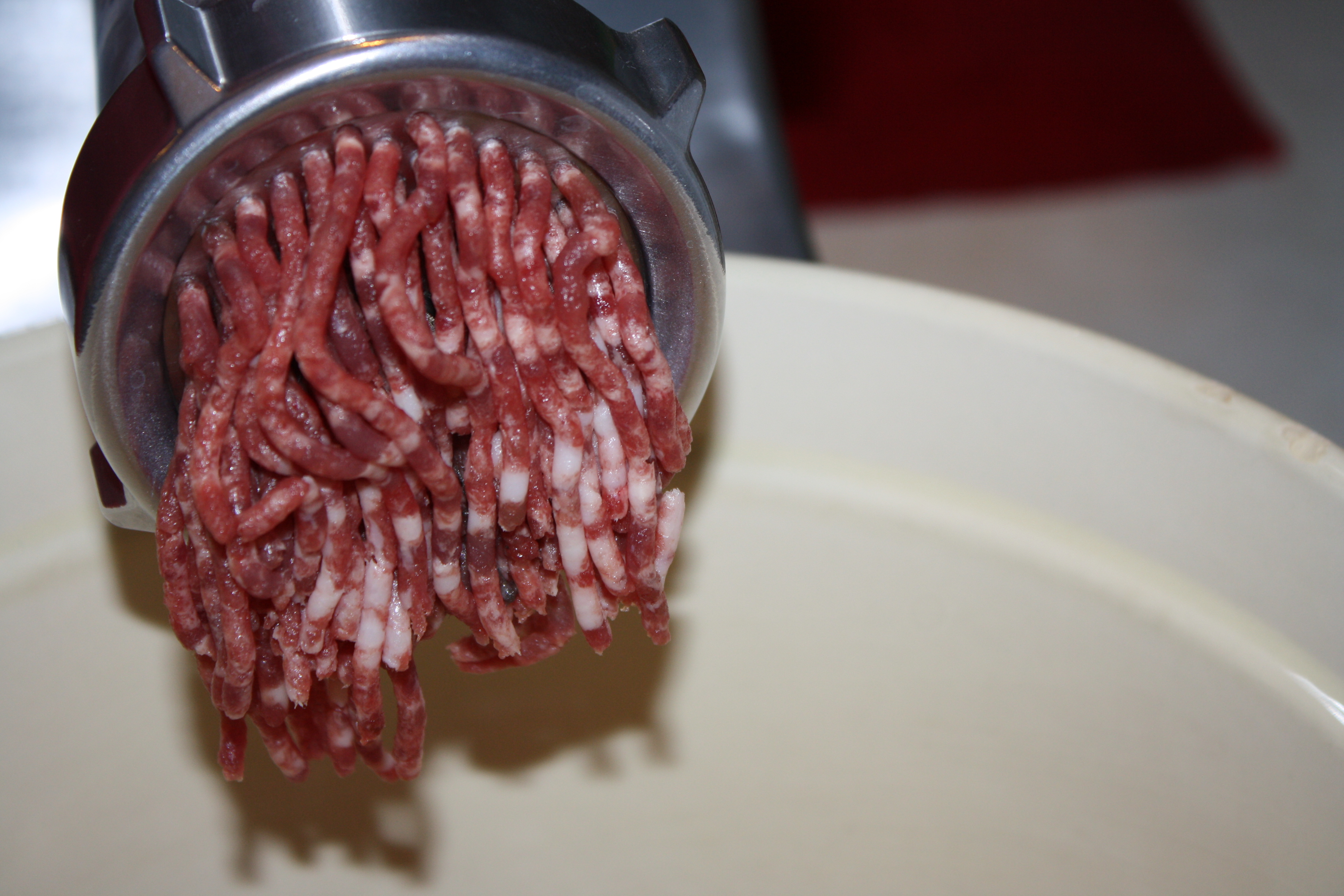
We purchased this meat grinder yesterday, to assist with the process, and once we got going and figured out how the machine actually worked, we were well on our way to a delicious dinner.

IMG_0470

And to my absolute astonishment, after we finished making the chorizo, each gal gobbled up a bunch of mini chorizo burgers they had hand-crafted themselves!

Yam Fries With Spiced Aioli

IMG_0309

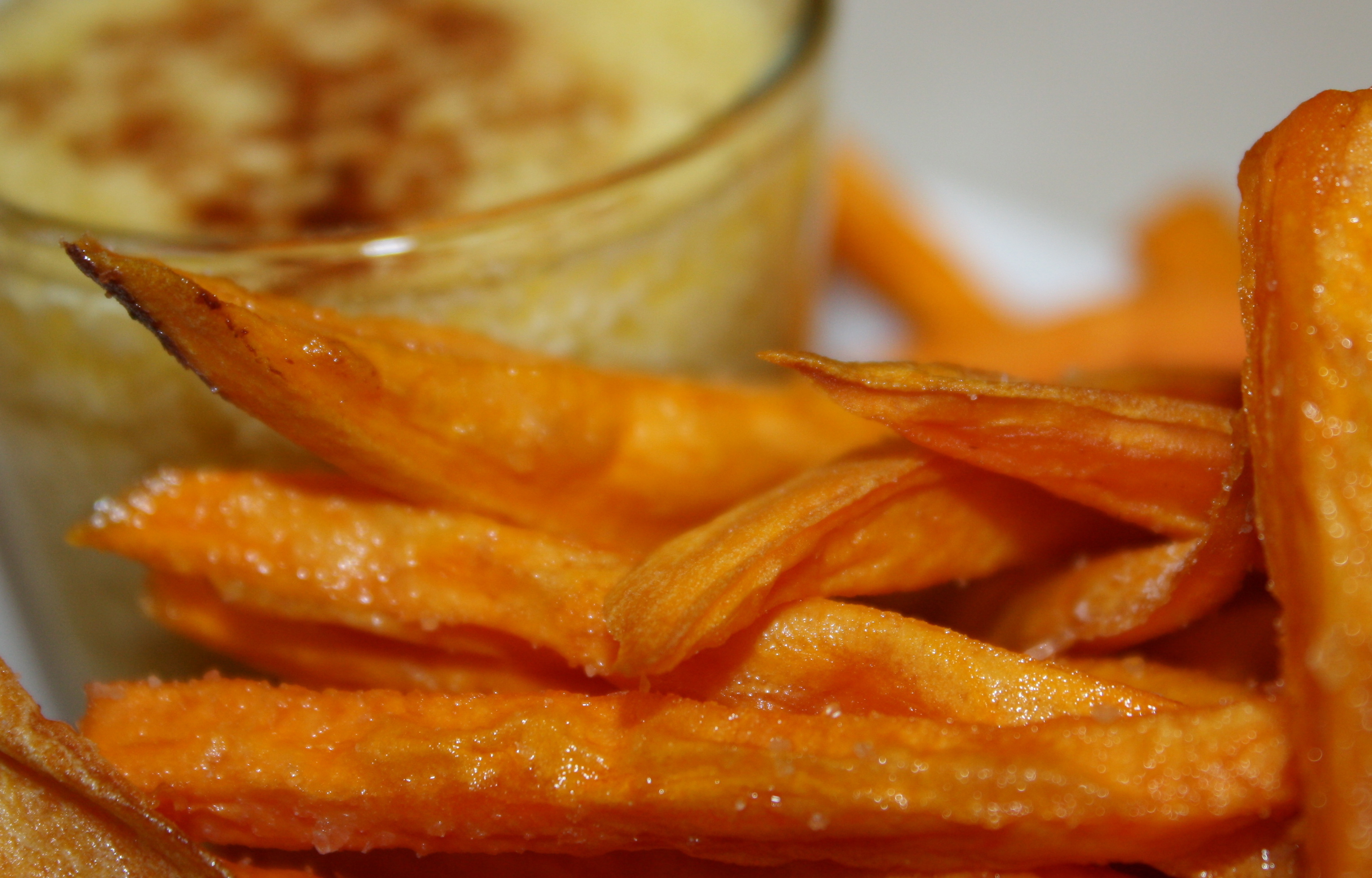
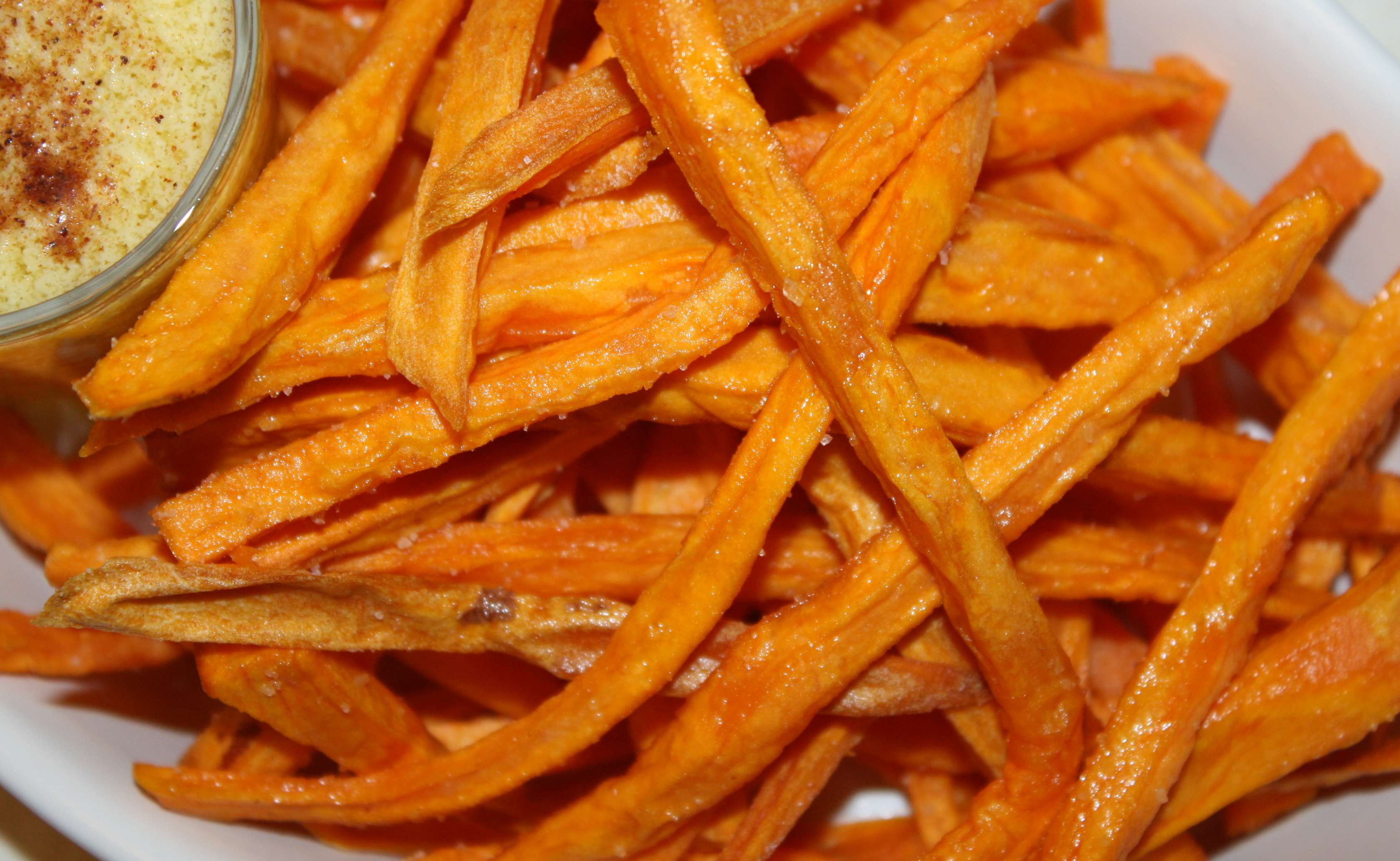
With winter now in full swing, I am trying to get seasonal ingredients on the table as much as I can.  This week I tried out a new experiment with fresh yams I found at the store.  This recipe made for a nice sweet and salty treat that the kids just gobbled right up.  Enjoy!

Ingredients:

1 egg yolk

1 tablespoon Dijon mustard

3/4 cup canola oil, plus additional oil for frying

1 cup olive oil

1/2 teaspoon salt

pinch of pepper

1/4 teaspoon nutmeg, plus more for garnish

4 large yams

For the aioli:  Whisk the egg yolk with the Dijon mustard.  Very slowly, drop by drop, add the canola oil while whisking briskly.  The mixture should start to thicken.  Once all of the canola oil has been added, then very slowly, add the olive oil.  Continue to whisk while adding the olive oil.  The key is to add the oils very, very slowly while whisking continuously.  (This may take some time to master.  If the oil breaks, don’t get frustrated, it happens.  You could try again, or like I’ve done many a time, just eat it anyway 🙂  It still tastes pretty yummy, it’s just not the greatest consistency.)  Once both oils have been added, mix in the salt, pepper and nutmeg.  Pour into a bowl and garnish the aioli with a pinch of nutmeg.

For the yams:  Slice your yams into small strips.  Pour about one inch of canola oil in a pan and heat it.  (A trick is to sprinkle a drop of water in the oil once the oil has been heating for a while.  If the water sizzles when you add it, you know the oil is hot enough.)  Add a handful of the yams to the hot oil and allow to fry for 3-5 minutes.  Remove from the oil and allow to rest on a plate covered with a paper towel to drain off the excess oil.  Salt to taste.  Serve with the aioli.

IMG_0311

*A note about all my recipes:  I use all organic ingredients, local when available.  I use non-homogenized milk, and all of the dairy we use is from animals raised on pasture. I also use oils that are non-GMO verified.  All our meat is raised locally on organic feed, and our beef is grass-fed, grass-finished.  All our spices and cane sugar are fair-trade certified and purchased through a cooperative.

Brew and Moo

IMG_0062

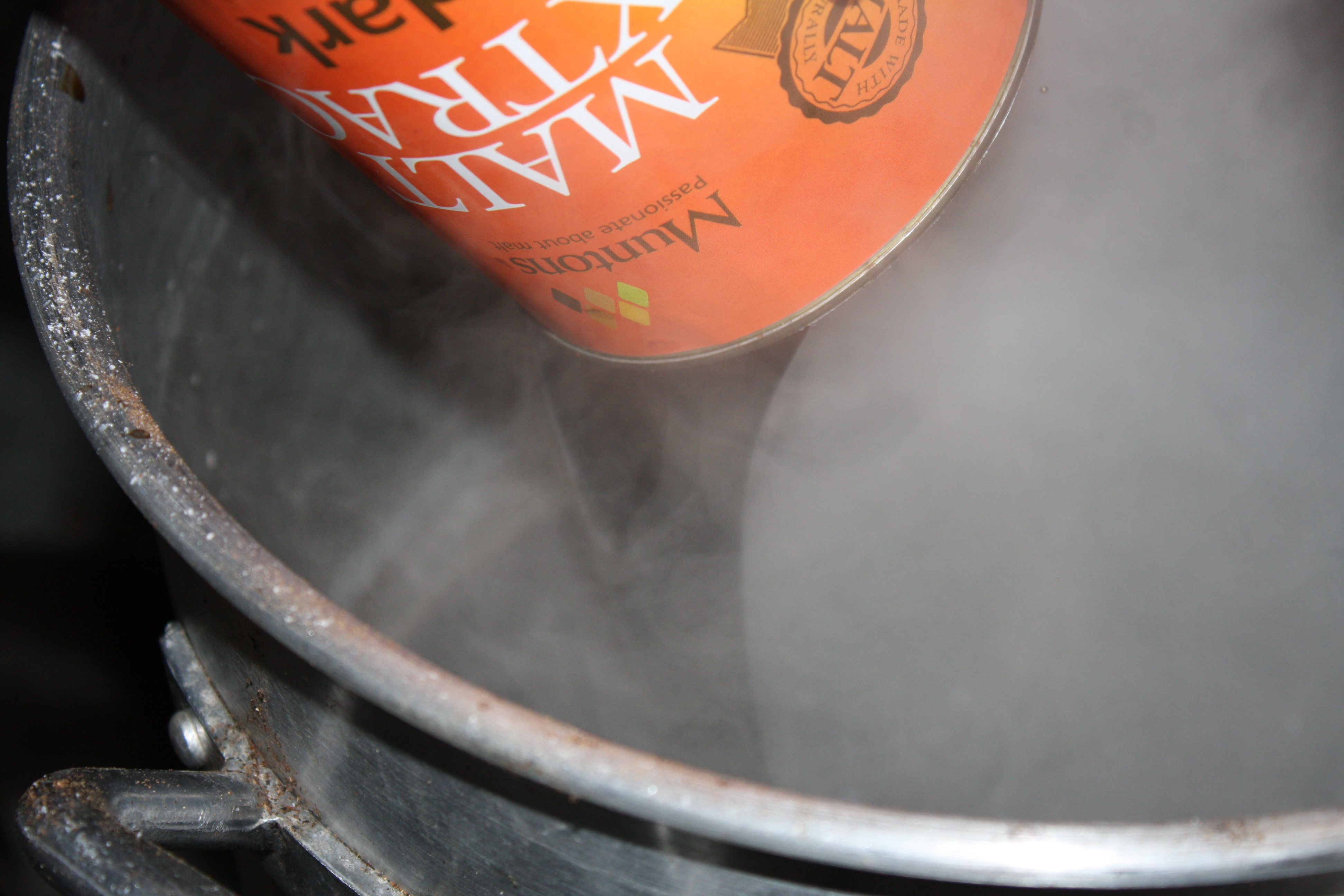
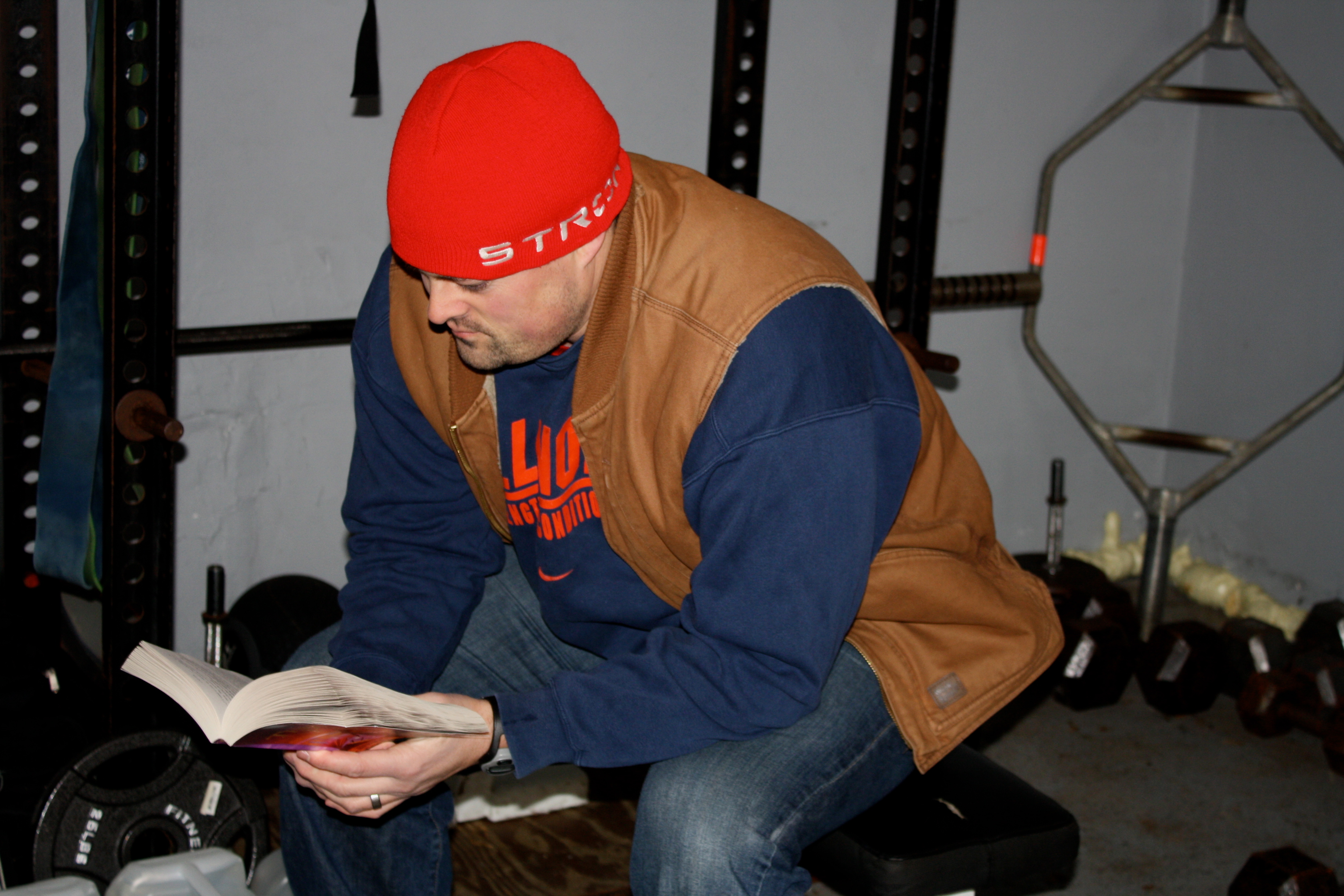
The mercury had risen just a touch, but enough to make it bearable outside.  The snow fell lightly upon the ground, leaving a white dusting on the roofs of houses and the paved roadways.  This past weekend we took full advantage of this beauty.  I kept the kitchen warm with the stovetop all abustle, and the smell of warm milk in the air.  Meanwhile, my hubby could be found in the nearby garage, reading and mixing his brew with the aromas of hops pouring forth into the crisp air outside.  The girls frolicked in the snow, while the cat sat perched in a tree, taking in all the action.

IMG_0283

IMG_0274

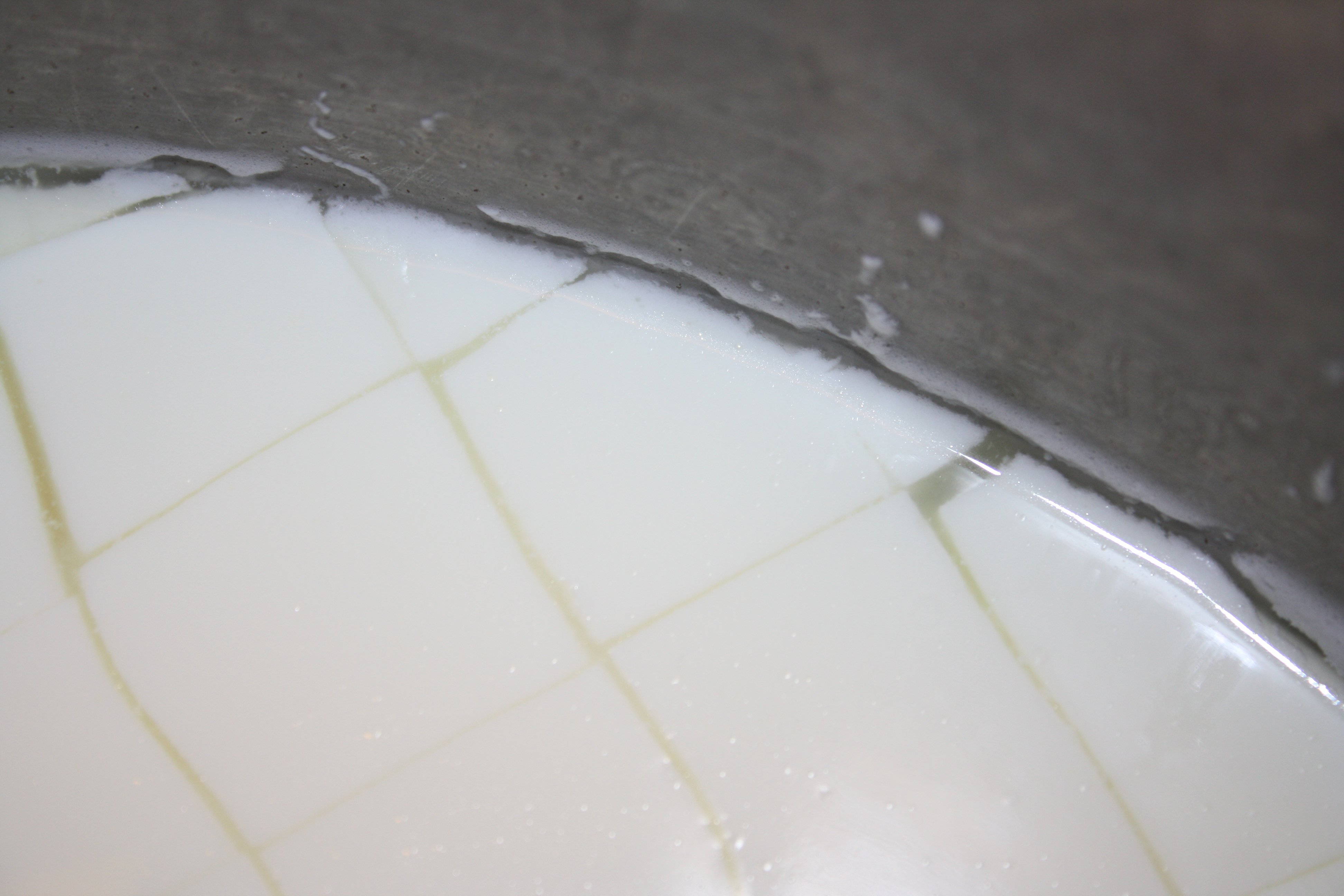
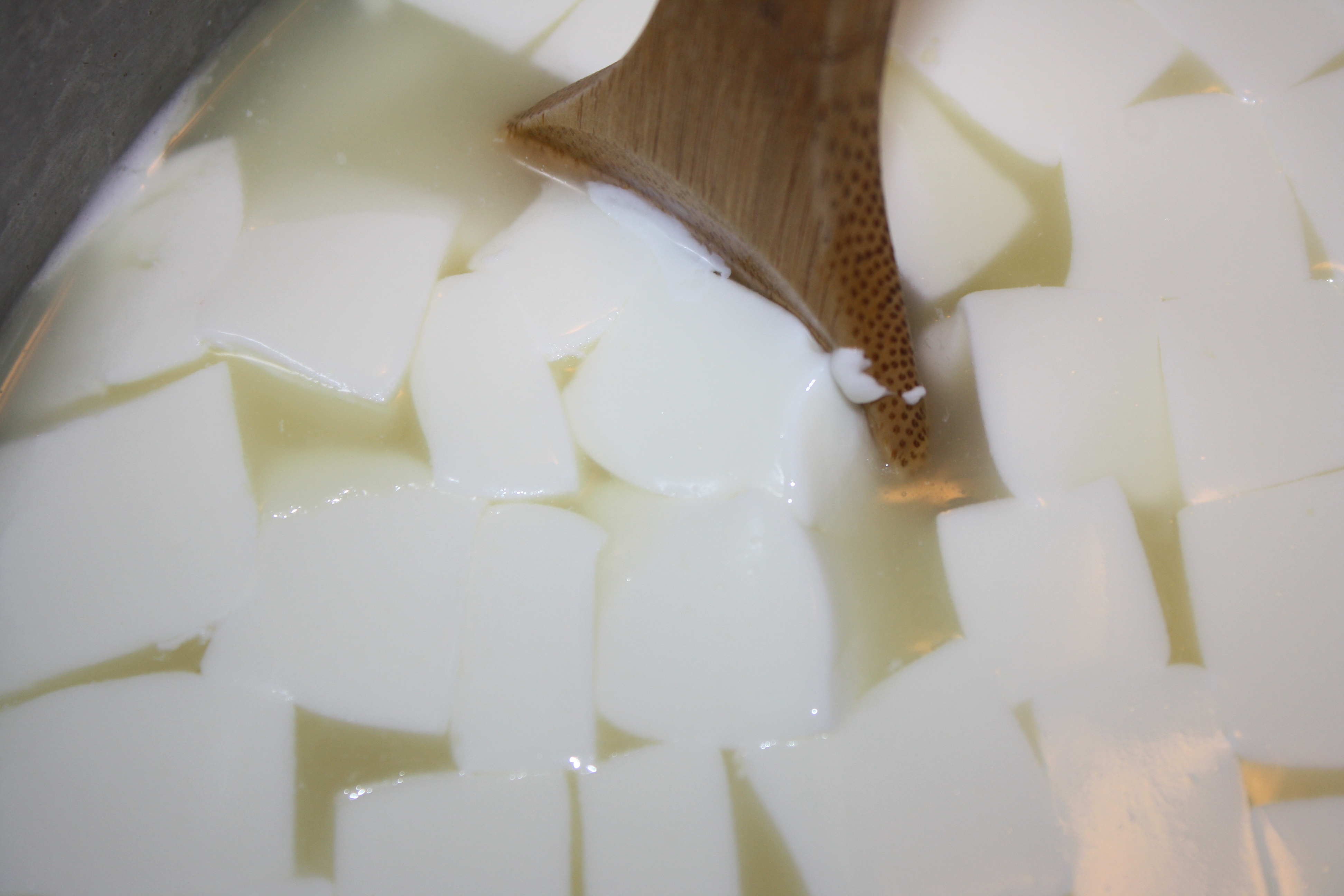
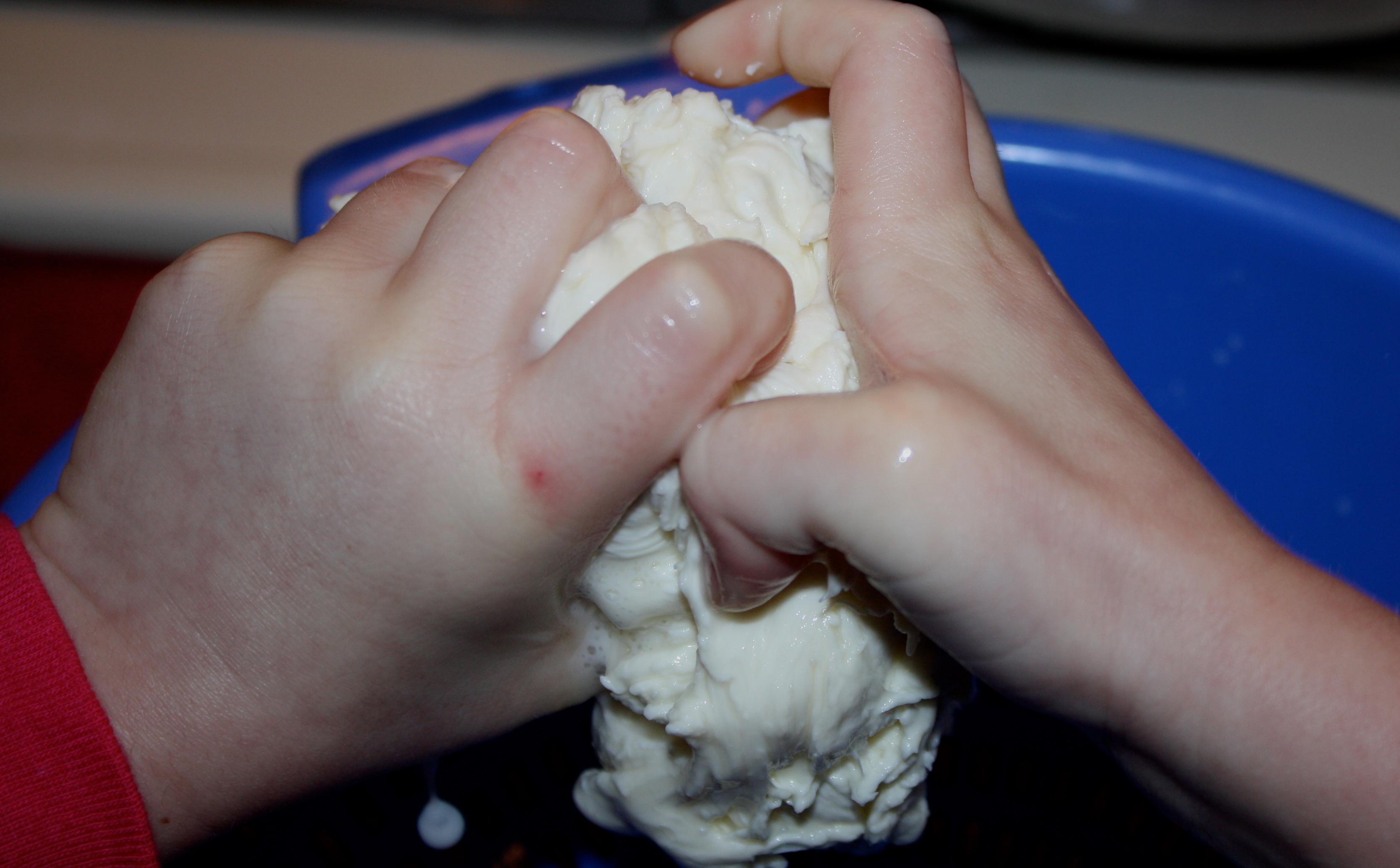
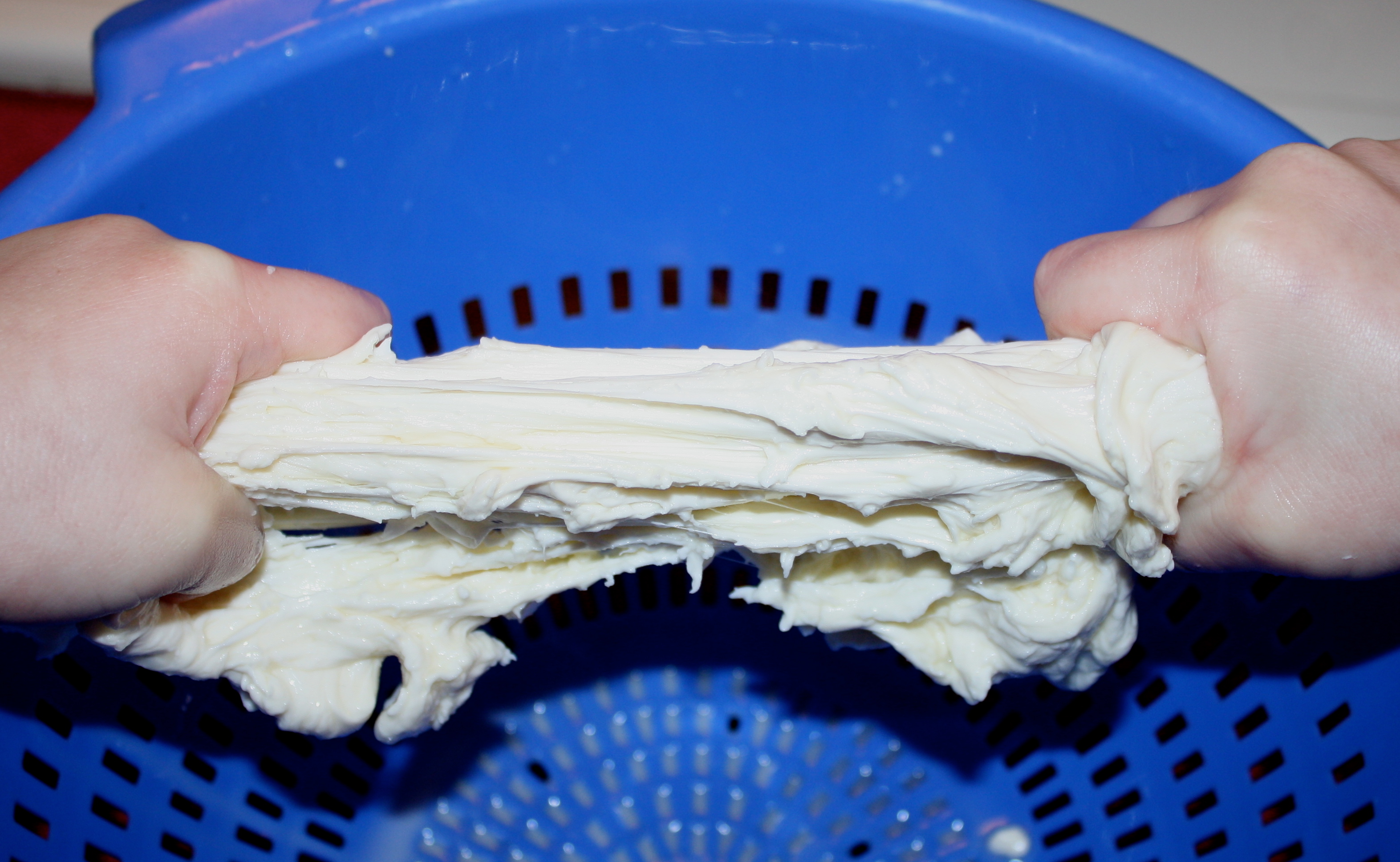
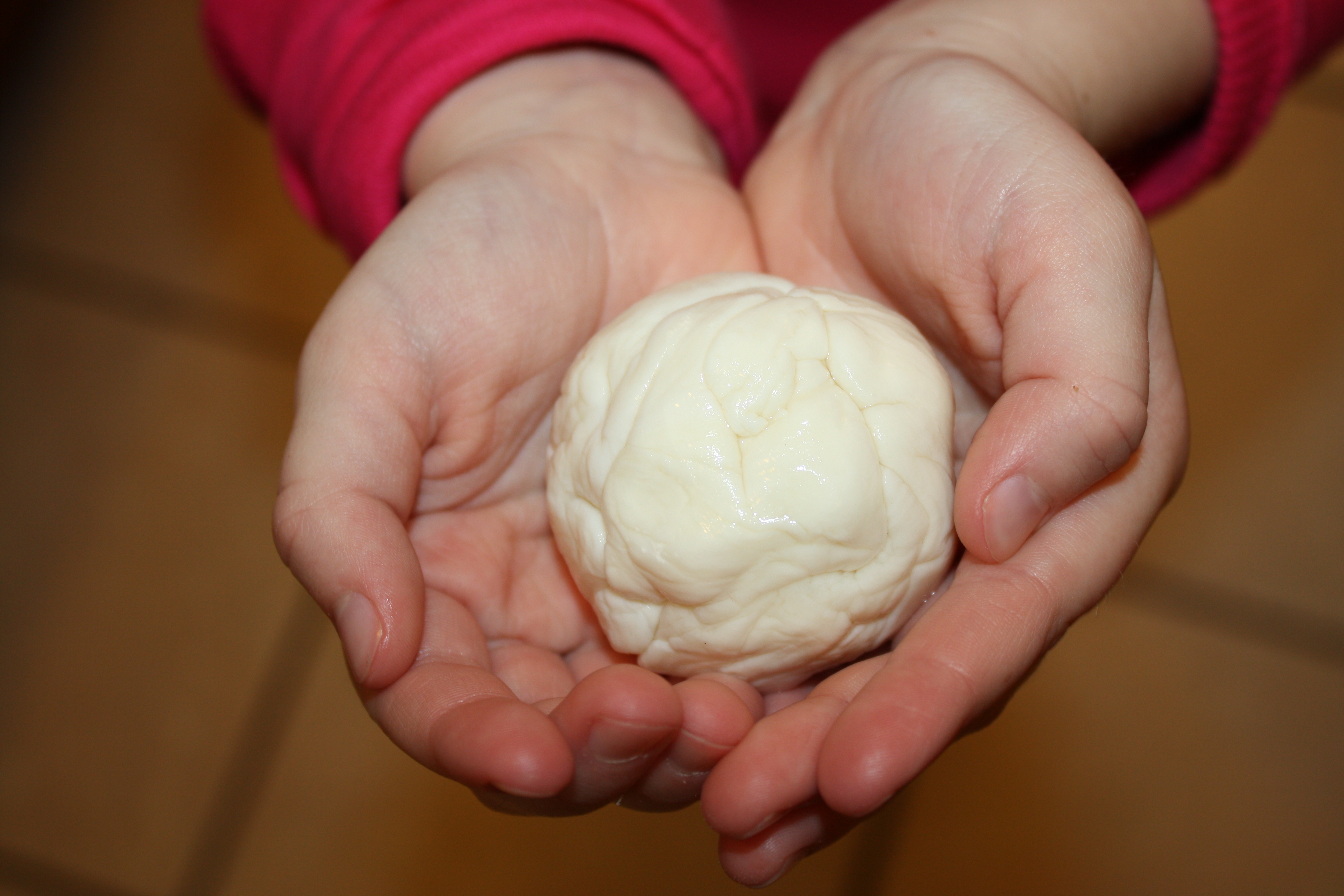
My oldest daughter and I used our favorite cheese kit and made two pounds of fresh mozzarella cheese.  (You can check out our previous cheesemaking experience here.)  For the first time, I allowed her to truly assist me by slowly stirring the curd and then stretching it, adding salt, and then forming it into small balls of deliciousness.  The best part of the entire experience was when this six year-old, who normally only likes “cooked cheese,”  took a ball of fresh mozzarella and bit in.  She said, “Well, I only like cheese that I make.  That’s the only kind I’ll eat.”  Love.

IMG_0252 IMG_0254 IMG_0257 IMG_0259 IMG_0260

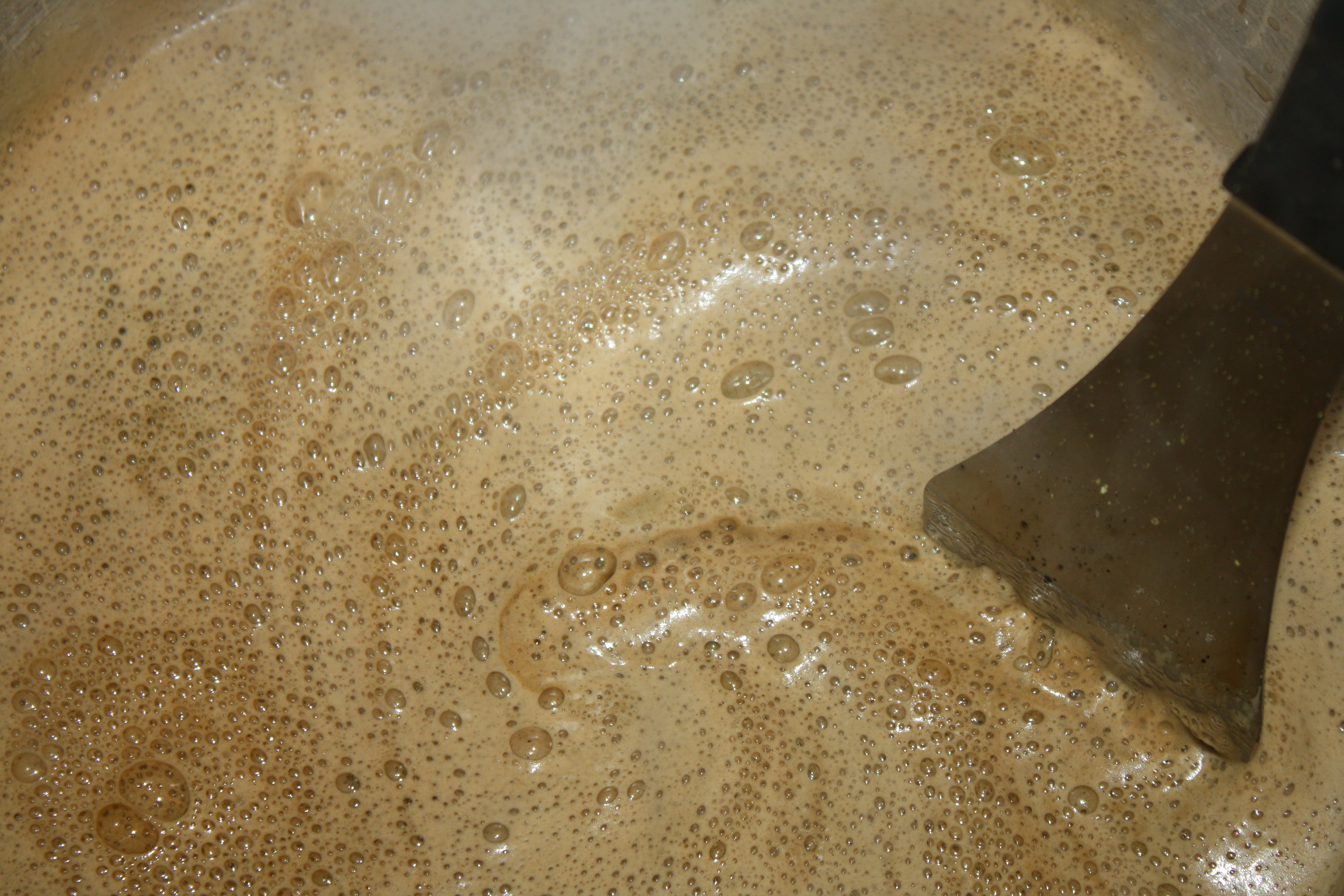
The holidays left us empty handed in the home-brew department, so my husband brewed three fresh batches this weekend.  He tried out a new brewing kit, and then made two tried and true favorites…a caramel creme ale and a fabulous breakfast stout.

IMG_0288

IMG_0281

IMG_0292

The finished products of the day:  beer, cheese and a bit of hot chocolate of course.  Is there anything better?  Yum!

IMG_0294 IMG_0301

Antipasto

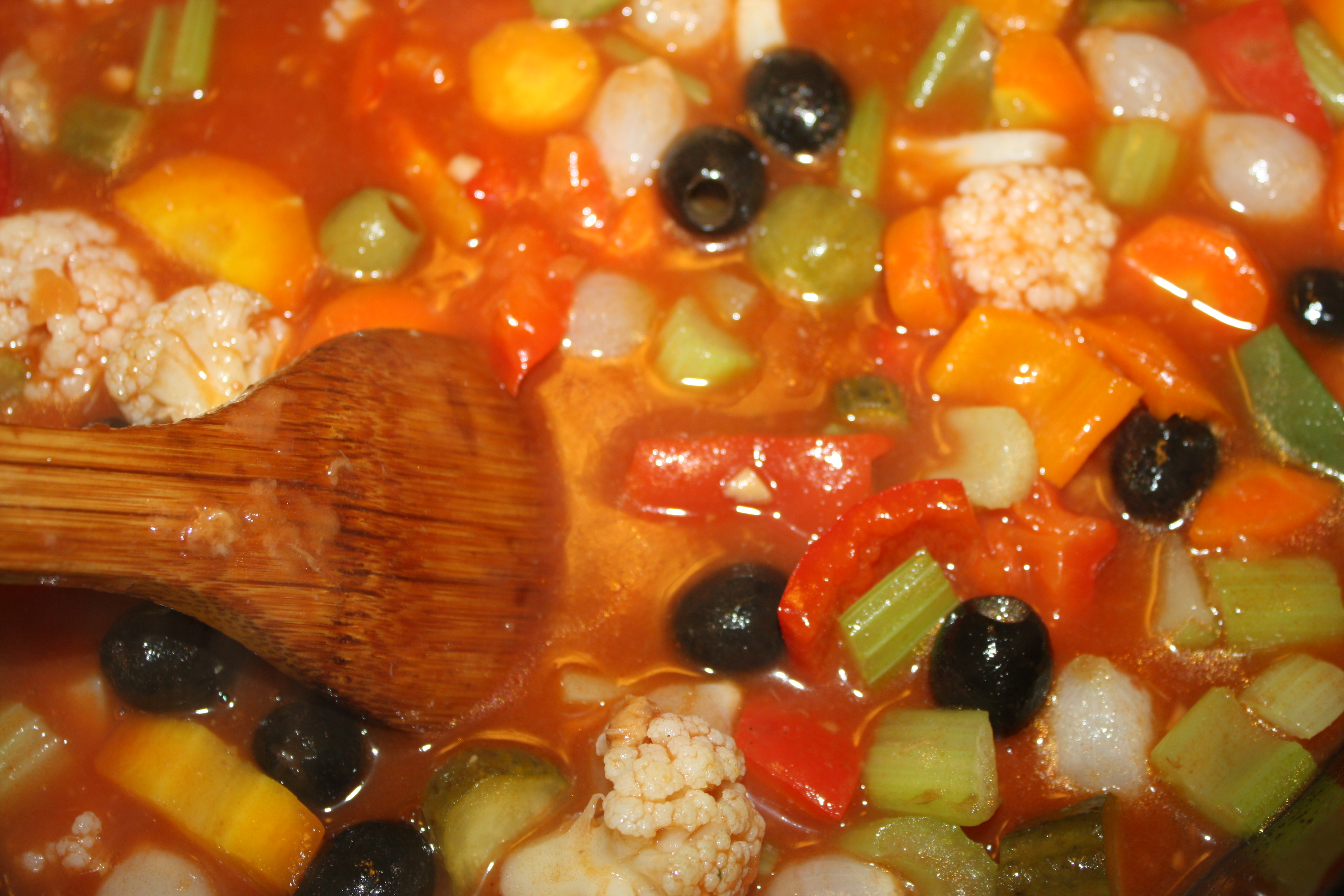
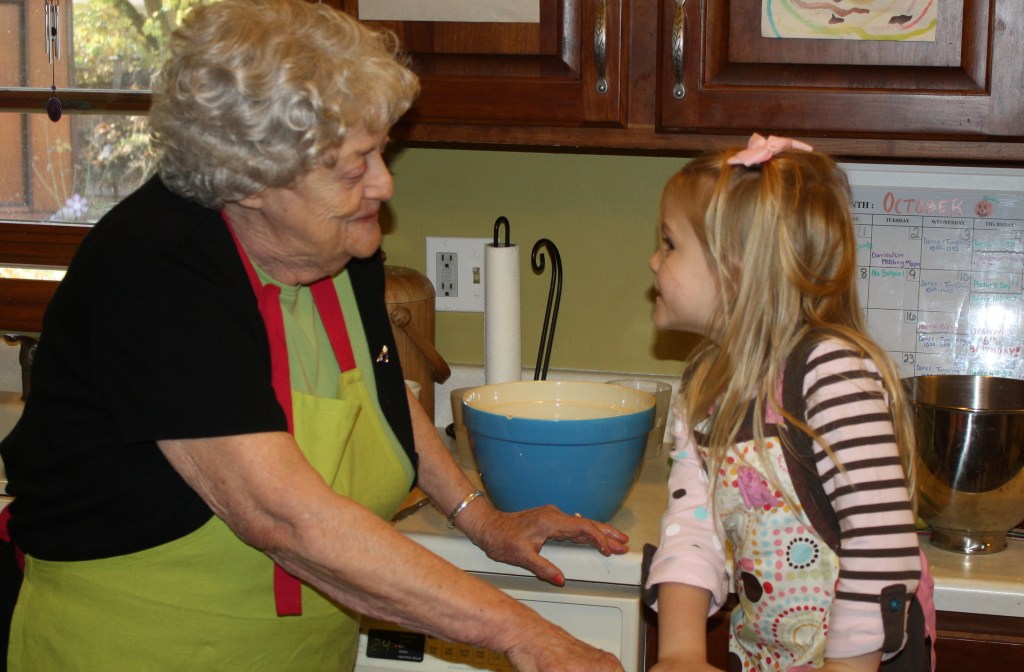
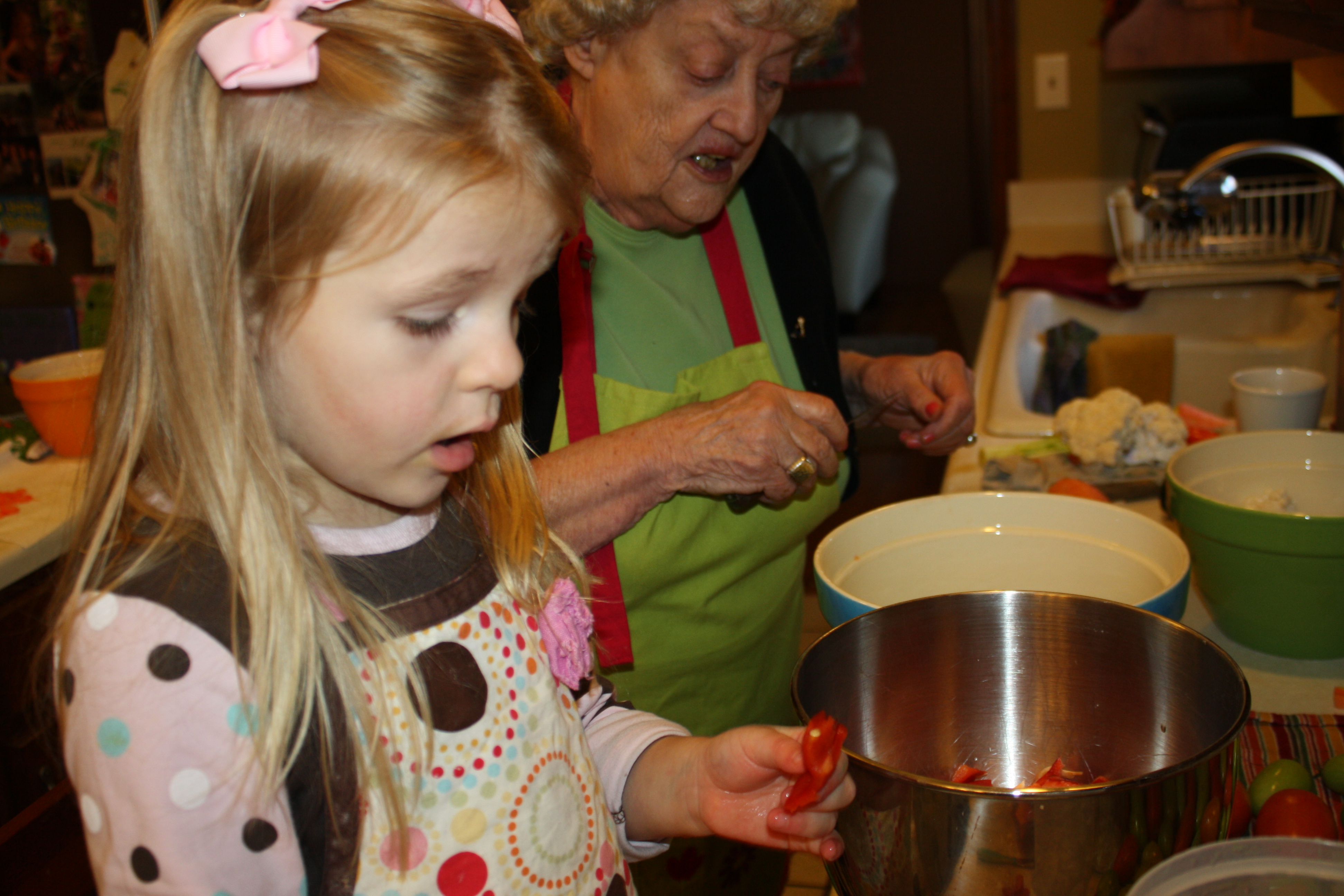
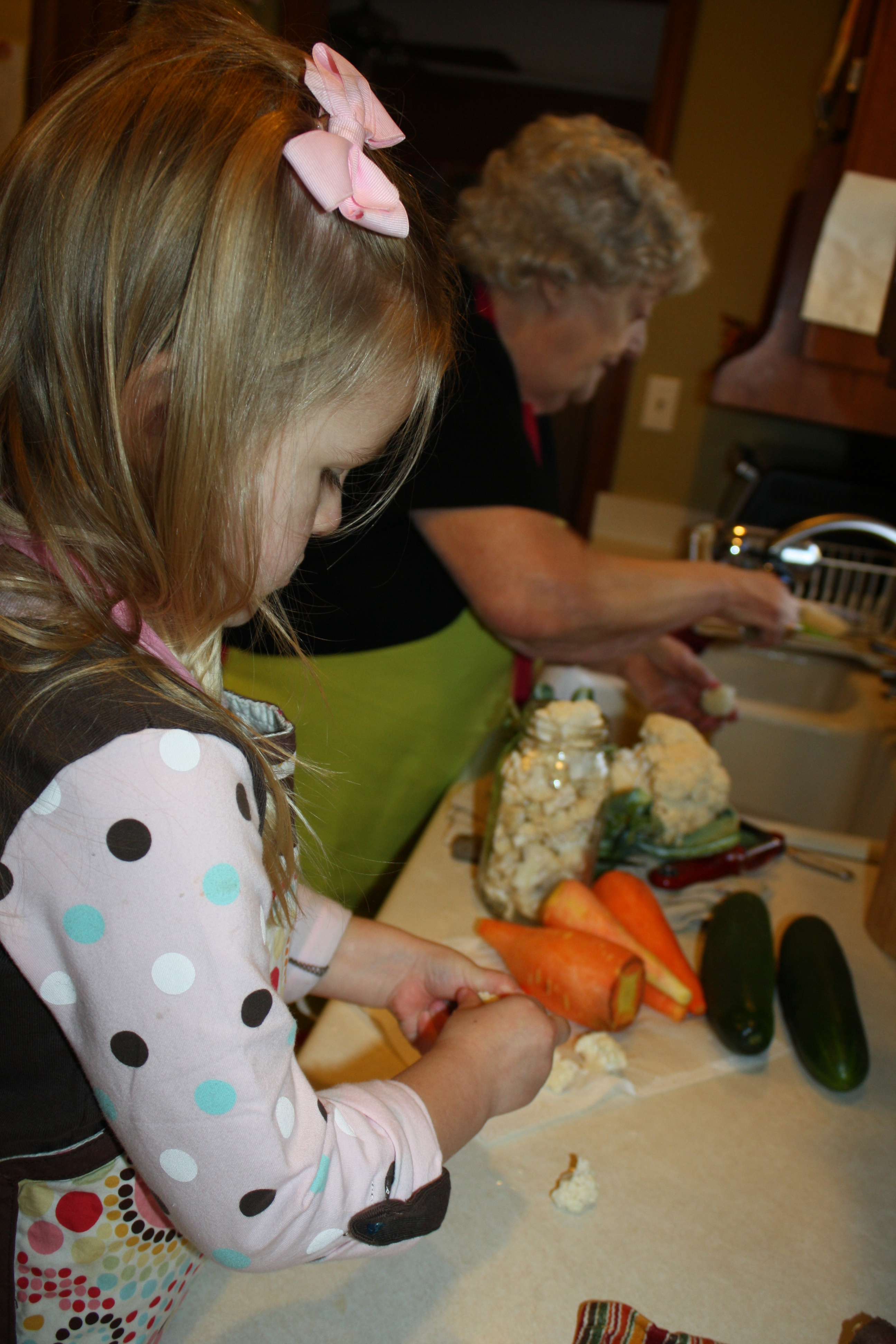
This past Sunday, we spent the day in the warmth of our kitchen’s arms, making Italian antipasto with my husband’s grandmother.  There were a lot of veggies, and even more chopping, but the best part of our afternoon was spending time with Grandma.  These are the moments that I hope my girls carry with them throughout their lives.  Moments when they are home.  Surrounded by family.  Learning lessons passed down from one generation to the next.

Autumn Bounty

Last night marked the beginning of a new day at the Fagan abode.  We harvested our first batch of arugula from our fall garden.  In honor of this great day, I made a dinner filled with garden fresh produce, and I must say it earned rave reviews from the entire family.

Our meal consisted of a bed of organic pasta (not homemade I’m afraid to say 😦 ), topped with local sausage, the last of our tomato harvest, regional feta cheese, and finished with a large handful of the peppery arugula from our brand-new garden beds.  I dressed the entire dish with a drizzle of organic olive oil, a splash of aged balsamic, and a bit of sea salt.  Yummy.

Forget About It

It seems as if it has been a very long time since I posted a recipe in this space, so here goes nothing.  As I’ve said a lot over the past few months, finding my grandfather’s recipe box has been a fun adventure filled with cooking experiments and taste tastes.

This particular card has been one I have played around with quite a bit over the past few weeks. And this weekend, after a lot of testing and even more tasting, I think I’ve come up with a great pumpkin bread recipe that allows you to forget about adding in all of that refined sugar and unhealthy oil.  Enjoy!

Pumpkin Bread

1 1/2 cups honey

1 cup coconut oil (melted)

4 eggs

2/3 cup water

1 3/4 cups all-purpose flour

1 1/2 cups whole wheat flour

2 teaspoons baking soda

1 teaspoon salt

1 teaspoon cinnamon

1 teaspoon nutmeg

15 ounces pumpkin puree

Preheat your oven to 325 degrees.  In a large bowl, beat the honey and melted coconut oil with an electric mixer.  Next add the eggs and beat until smooth.  Then add the water and beat mixture again.  Set aside.

In another large bowl, mix both flours, baking soda, salt, cinnamon, and nutmeg.  Add the dry mixture to the wet mixture slowly, beating with an electric mixer.  Finally, beat in the pumpkin puree.  (I add dark chocolate chips at this point sometimes too 🙂 )  Pour into two greased loaf pans.  Bake for 55-65 minutes.

Once A Year

One of my favorite times of the year has arrived, and that my friends is peach time!  I love fresh peaches so much in fact that I only eat them when they are in season, in their absolute prime, in the middle of the August heat.

We buy our peaches locally from a family fruit farm where they grow all of their own peaches in their orchard, and they are to die for.  After the market last week, we ran home and got to work on my favorite pie on earth:  Grandma Dit’s Peach Pie.

I still remember being in about forth grade and I was home sick from school because I was running a high fever.   It was late fall, the time when most schoolchildren begin to fall ill, and I found myself buried beneath the afghan on the couch, watching reruns of Saved By The Bell.  My mom asked me if there was anything she could get me to eat that would make me feel any better.  I told her the only thing that would heal what was ailing me was Grandma’s peach pie.  There were no fresh peaches available in late fall in Rockford, Illinois, so my mom did what any good mother would do.  She improvised.  She went to the grocery store and bought a pre-made peach pie.  I took one bite, spit it out and said, “This is not right.  It’s not the same.  Never mind.”

I don’t know why this story has stuck with me for so long, but I think it is because there is no replacement for real, in-season peach pie, using my grandmother’s recipe.  So here goes…

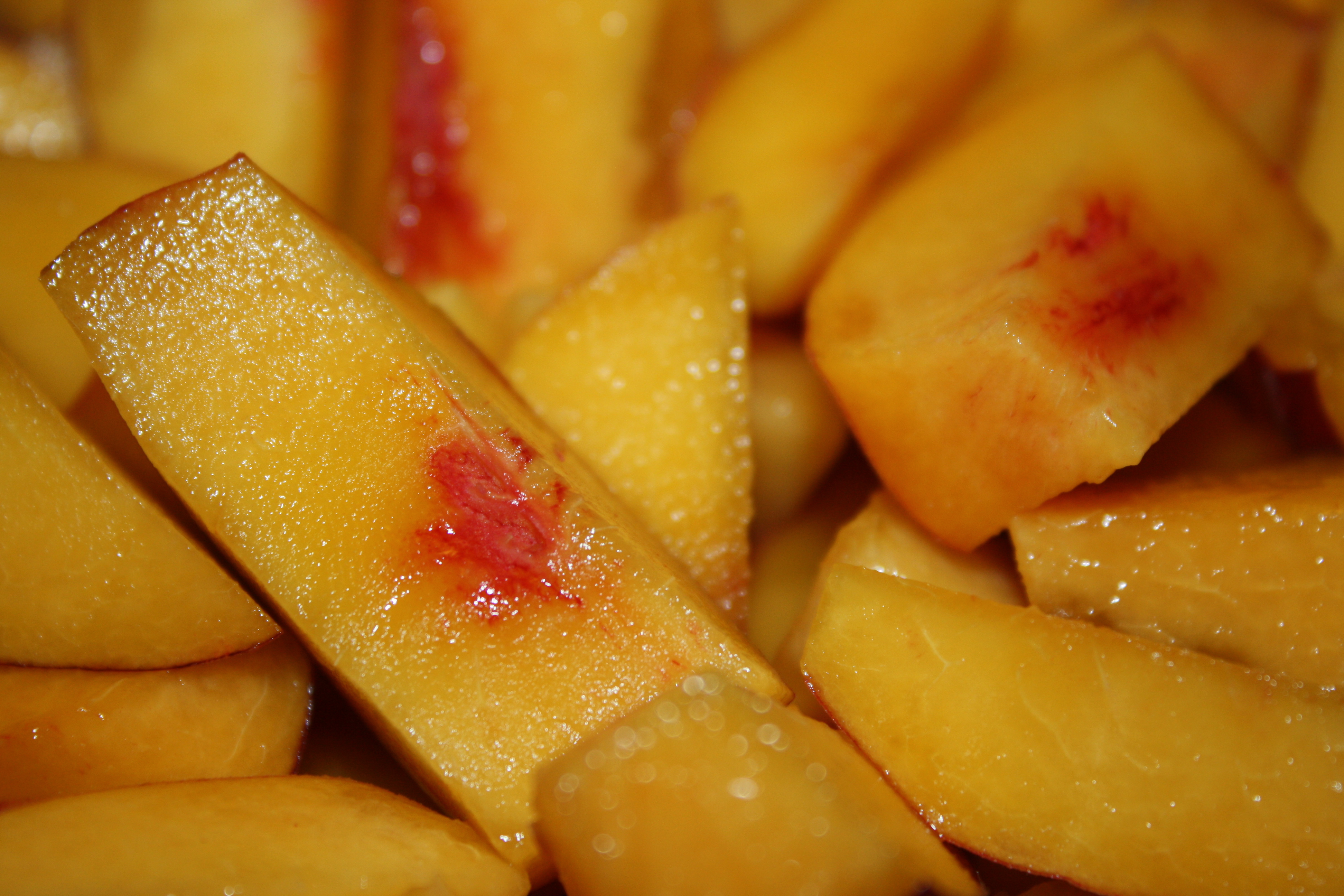
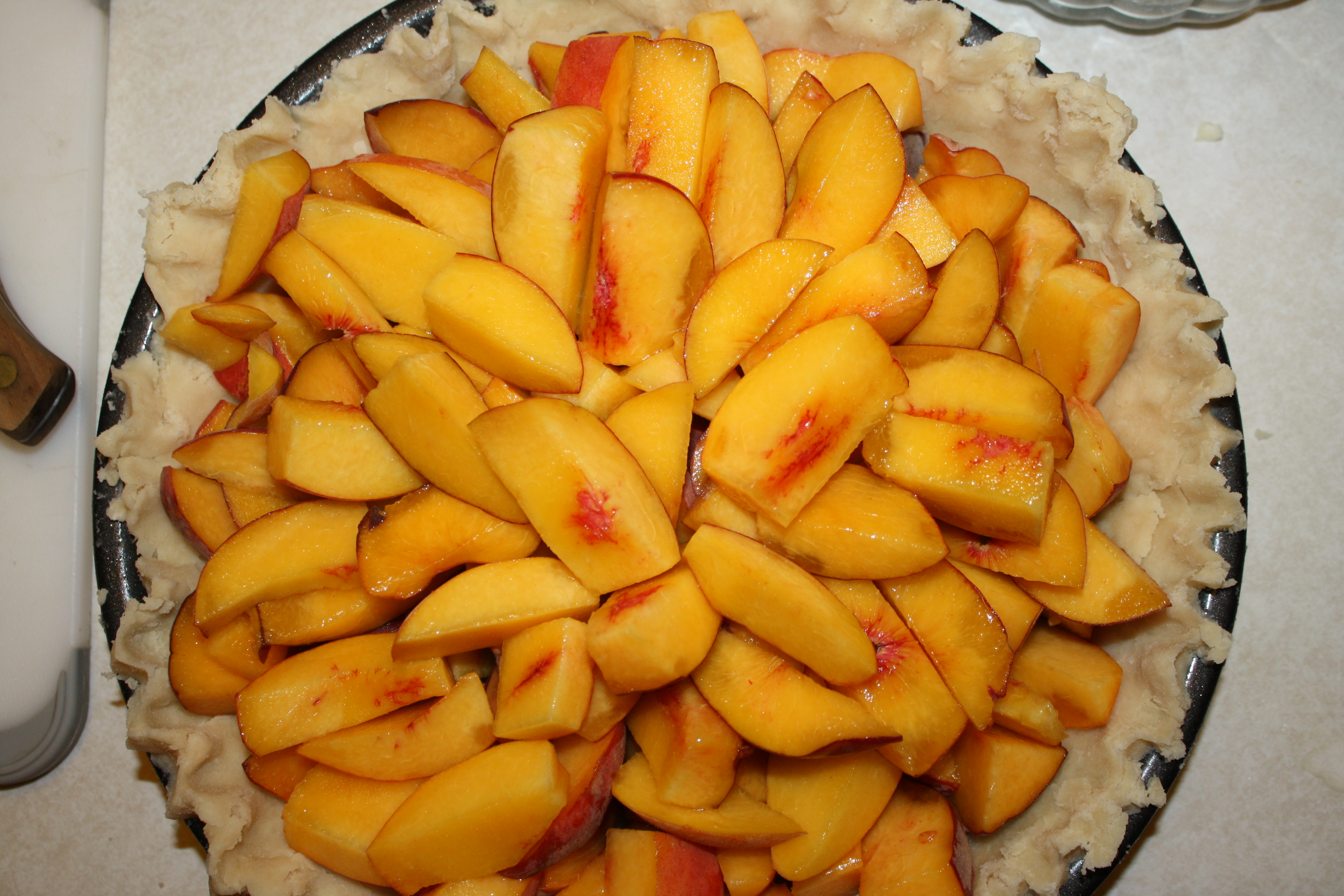
I make my own crust (recipe found here).  Then I fill it with delicious sliced peaches.

I add about 10 tiny dollops of butter on top of the peaches, and then create a mixture of 1 cup sugar, 4 tablespoons flour and 1 teaspoon cinnamon.  I scoop this mixture over the peaches and butter so the entire pie is coated.  I then add just a touch (about 1/4 cup) of water to the pie.  This creates a delicious custard-like consistency.  Bake at 400 degrees for 15 minutes and then reduce the heat to 325 degrees for 45 minutes.

I truly hope you enjoy this recipe that I hold so close to my heart.  Enjoy!

Everything But The Kitchen Sink

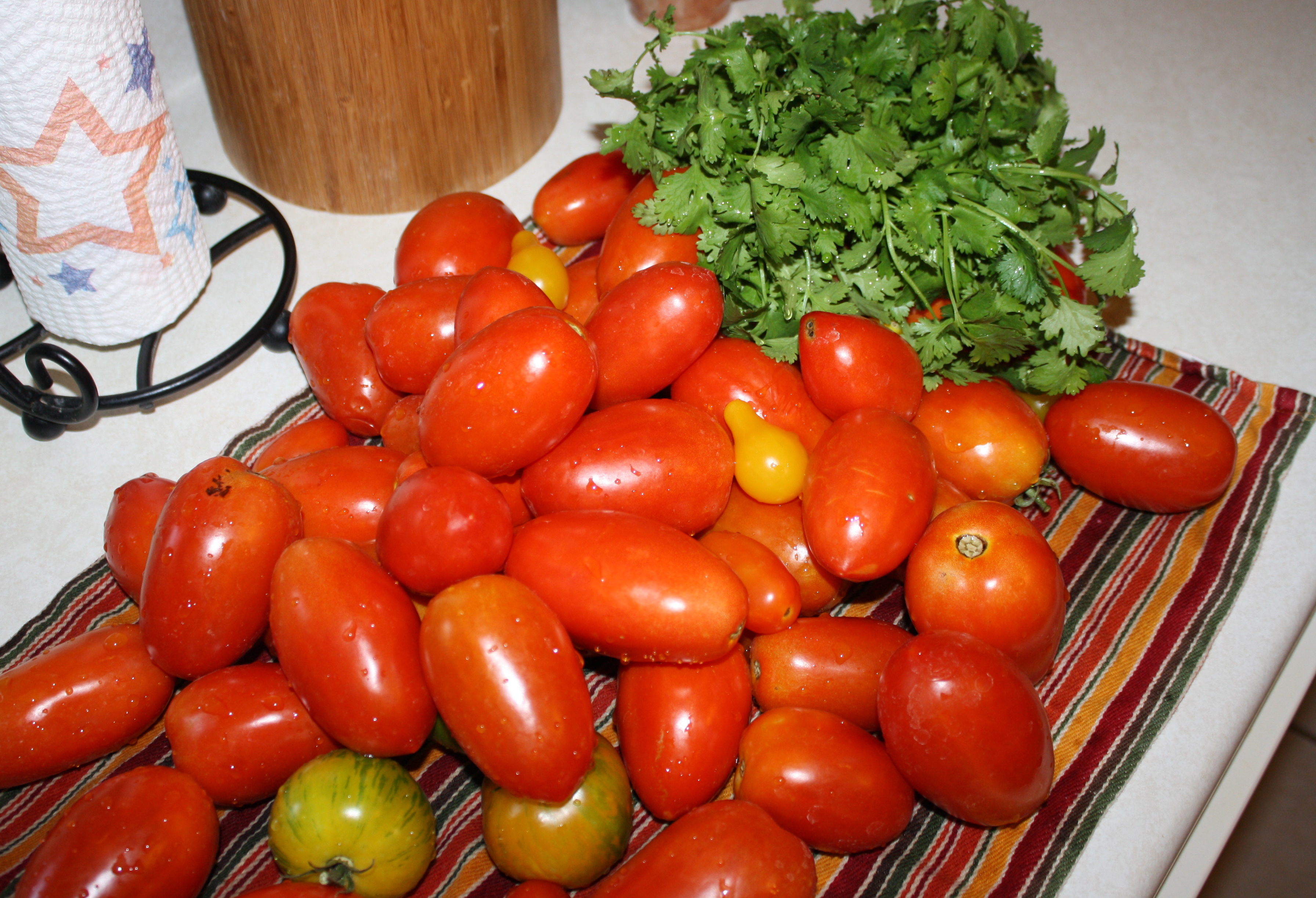
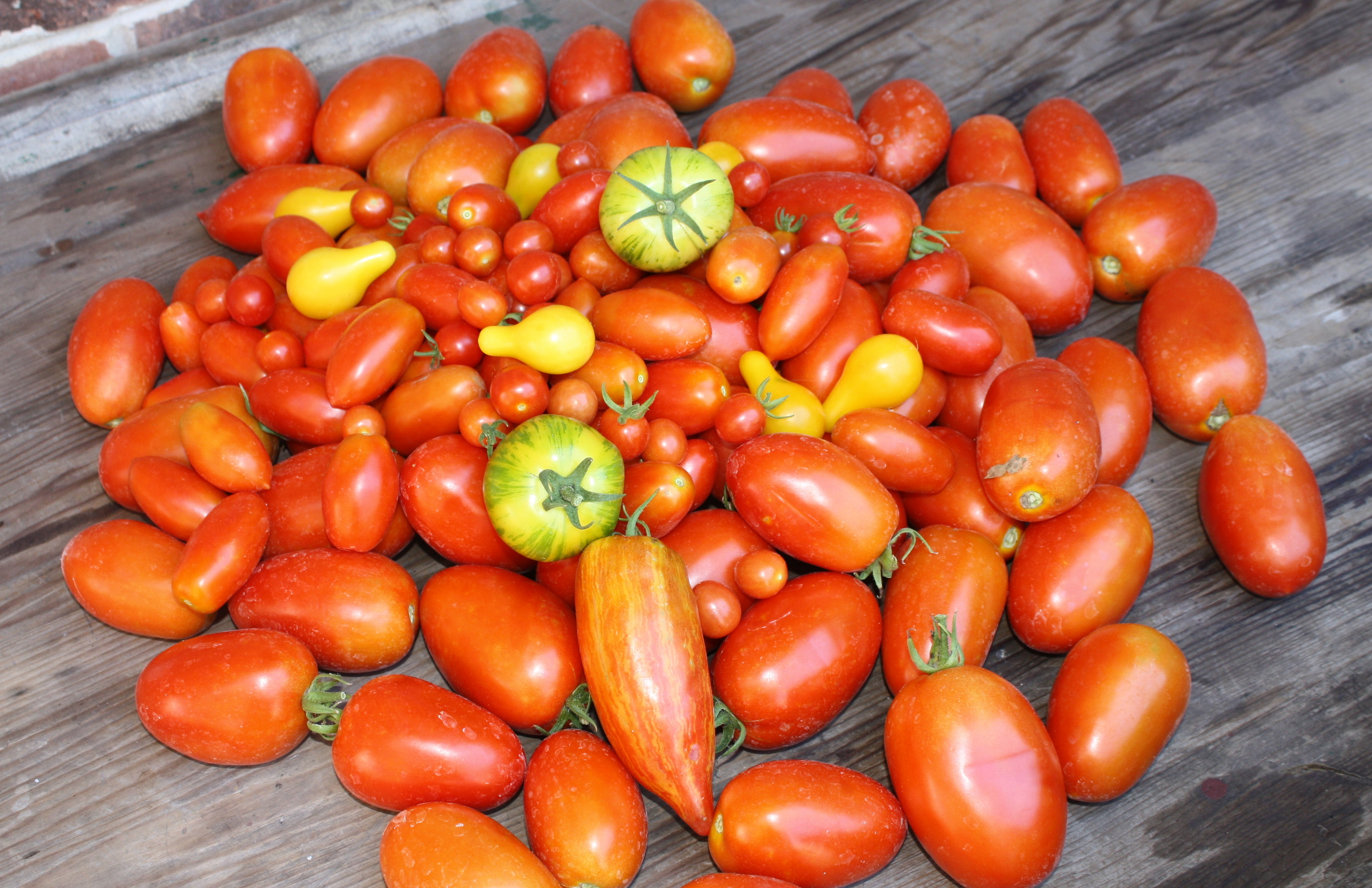
As I mentioned yesterday, our garden is quiet the producing machine right now.  The girls and I were in the garden all day yesterday and came out with bucket upon bucket filled with onions, tomatoes, cucumbers, greens, and carrots.

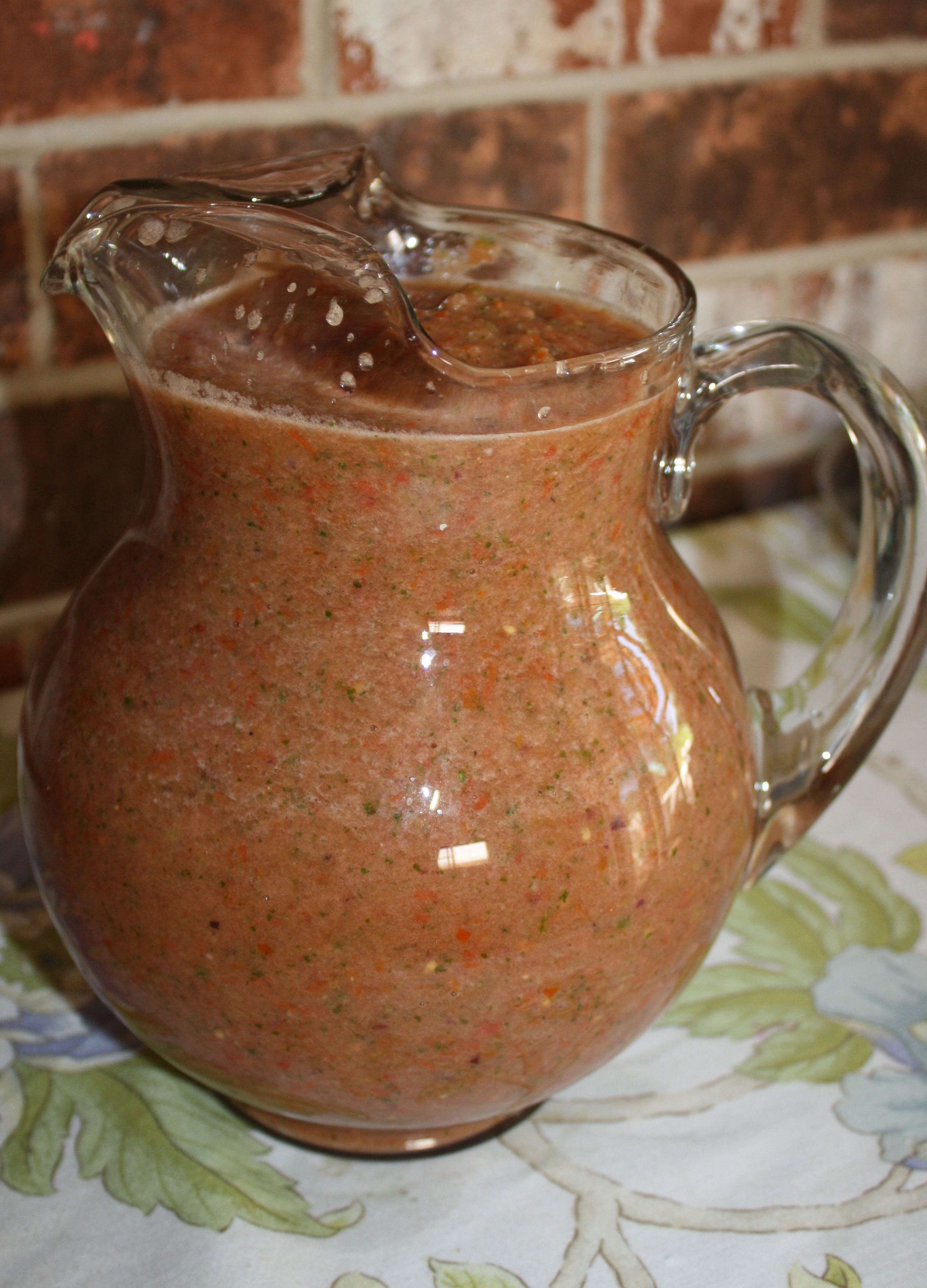
This time of garden abundance reminded me of my favorite summertime dish to make:  gazpacho.  (Gazpacho is a tomato-based soup traditionally served cold.)  You can literally throw in anything and everything you have fresh in your garden, give it a whirl in your food processor and you have a healthy, flavorful dish.  It’s a great way to ensure you are getting all of your veggies in, and it tastes wonderful too.  In our house we like to serve the gazpacho in glasses and drink it like a smoothie, but you could serve it in bowls and eat it with a spoon if you prefer it that way.

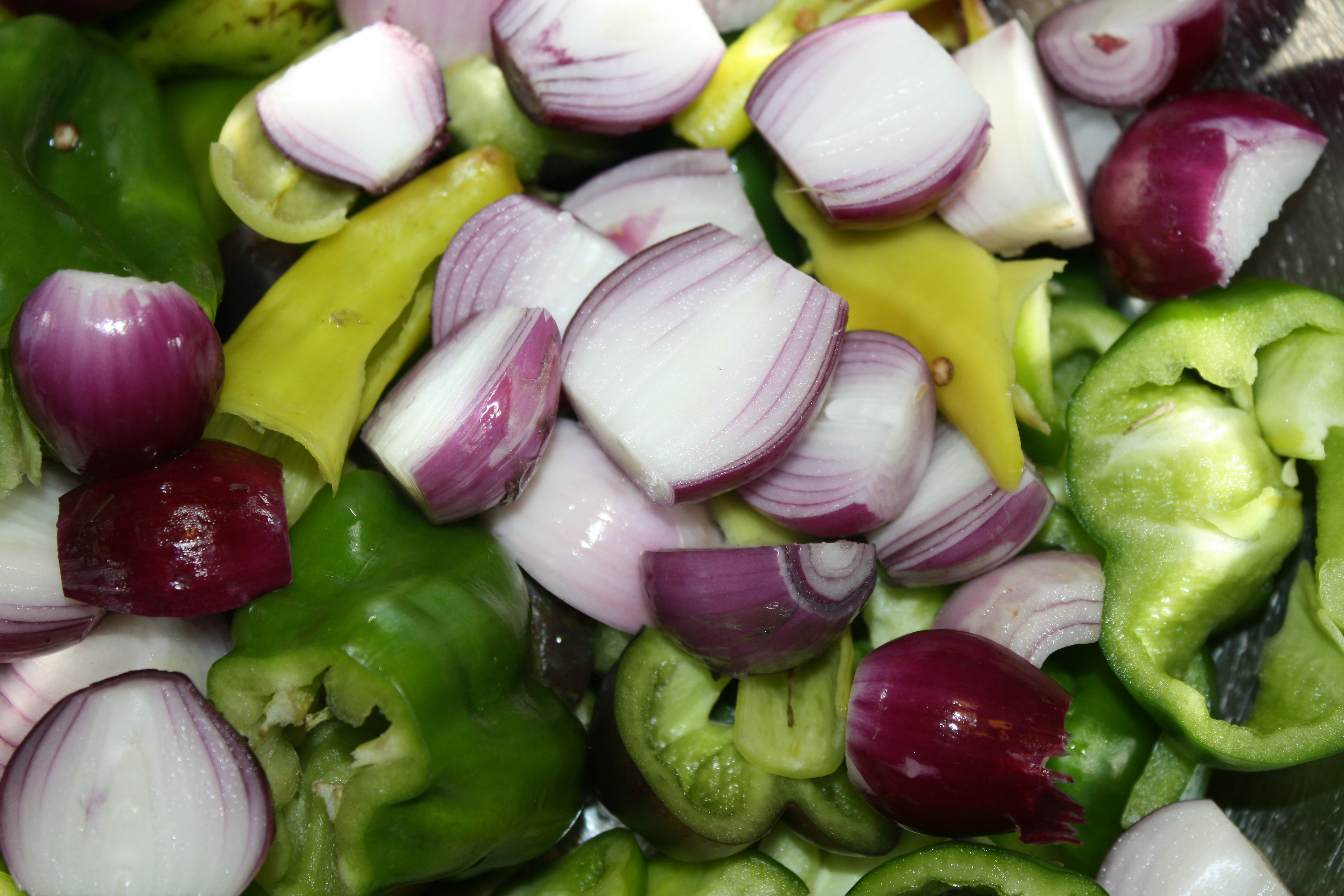
In the particular batch I made yesterday, I used:  tomatoes, green and purple sweet peppers, banana peppers, garlic, red onion and cilantro.  I then add salt, pepper and Sriracha (our kitchen could not survive without this stuff) to taste.