Once A Year

One of my favorite times of the year has arrived, and that my friends is peach time!  I love fresh peaches so much in fact that I only eat them when they are in season, in their absolute prime, in the middle of the August heat.

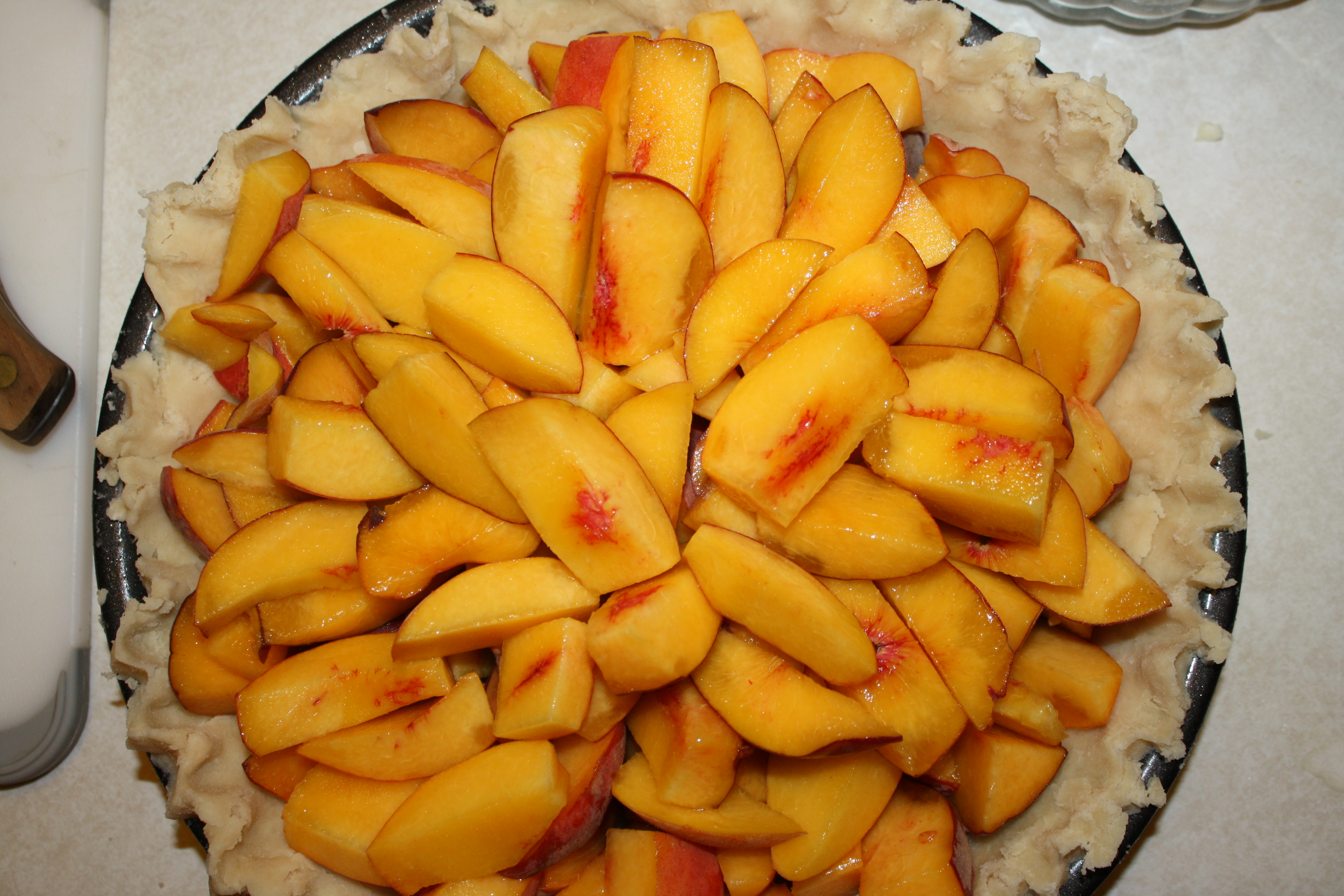
We buy our peaches locally from a family fruit farm where they grow all of their own peaches in their orchard, and they are to die for.  After the market last week, we ran home and got to work on my favorite pie on earth:  Grandma Dit’s Peach Pie.

I still remember being in about forth grade and I was home sick from school because I was running a high fever.   It was late fall, the time when most schoolchildren begin to fall ill, and I found myself buried beneath the afghan on the couch, watching reruns of Saved By The Bell.  My mom asked me if there was anything she could get me to eat that would make me feel any better.  I told her the only thing that would heal what was ailing me was Grandma’s peach pie.  There were no fresh peaches available in late fall in Rockford, Illinois, so my mom did what any good mother would do.  She improvised.  She went to the grocery store and bought a pre-made peach pie.  I took one bite, spit it out and said, “This is not right.  It’s not the same.  Never mind.”

I don’t know why this story has stuck with me for so long, but I think it is because there is no replacement for real, in-season peach pie, using my grandmother’s recipe.  So here goes…

I make my own crust (recipe found here).  Then I fill it with delicious sliced peaches.
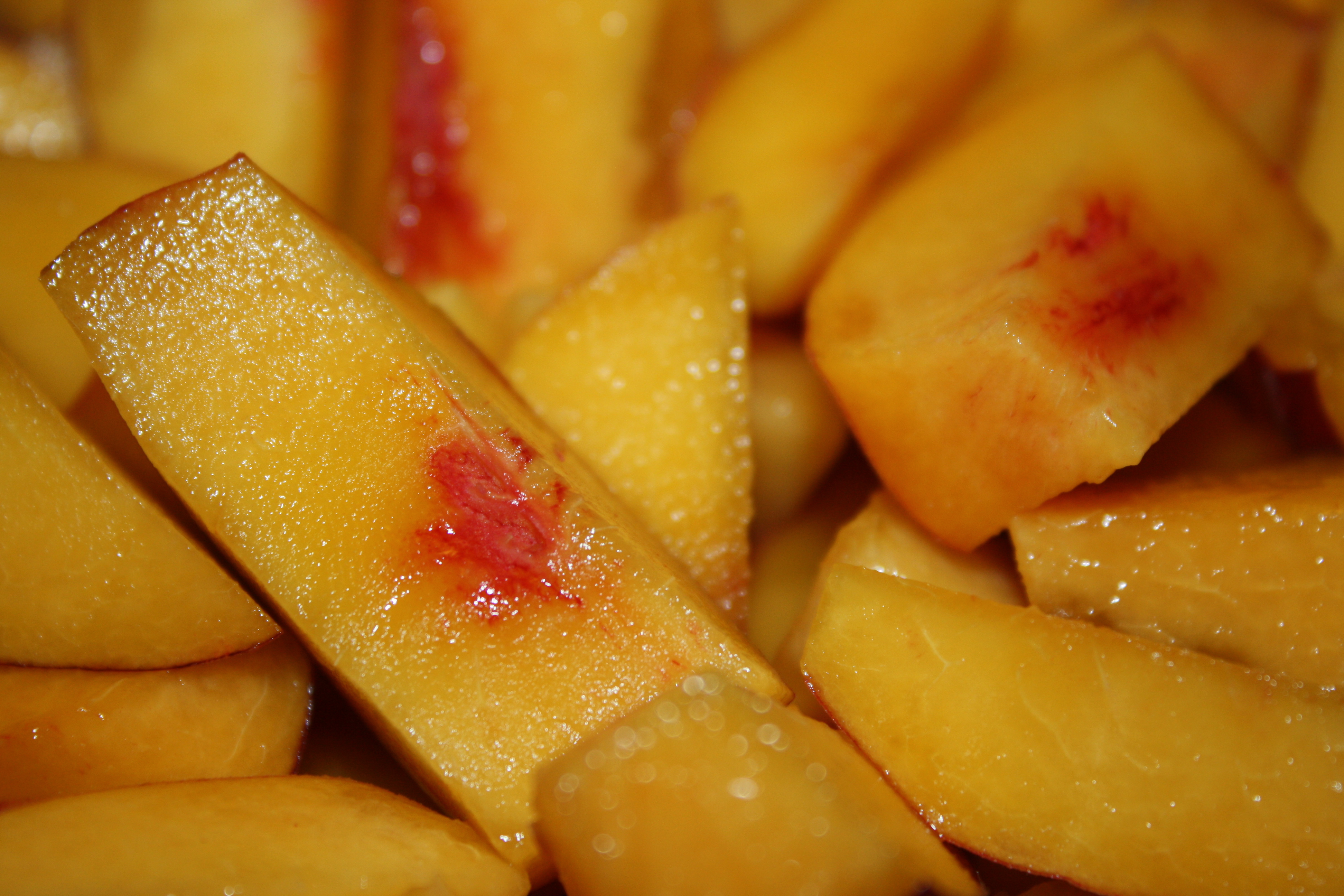
I add about 10 tiny dollops of butter on top of the peaches, and then create a mixture of 1 cup sugar, 4 tablespoons flour and 1 teaspoon cinnamon.  I scoop this mixture over the peaches and butter so the entire pie is coated.  I then add just a touch (about 1/4 cup) of water to the pie.  This creates a delicious custard-like consistency.  Bake at 400 degrees for 15 minutes and then reduce the heat to 325 degrees for 45 minutes.

I truly hope you enjoy this recipe that I hold so close to my heart.  Enjoy!
Everything But The Kitchen Sink

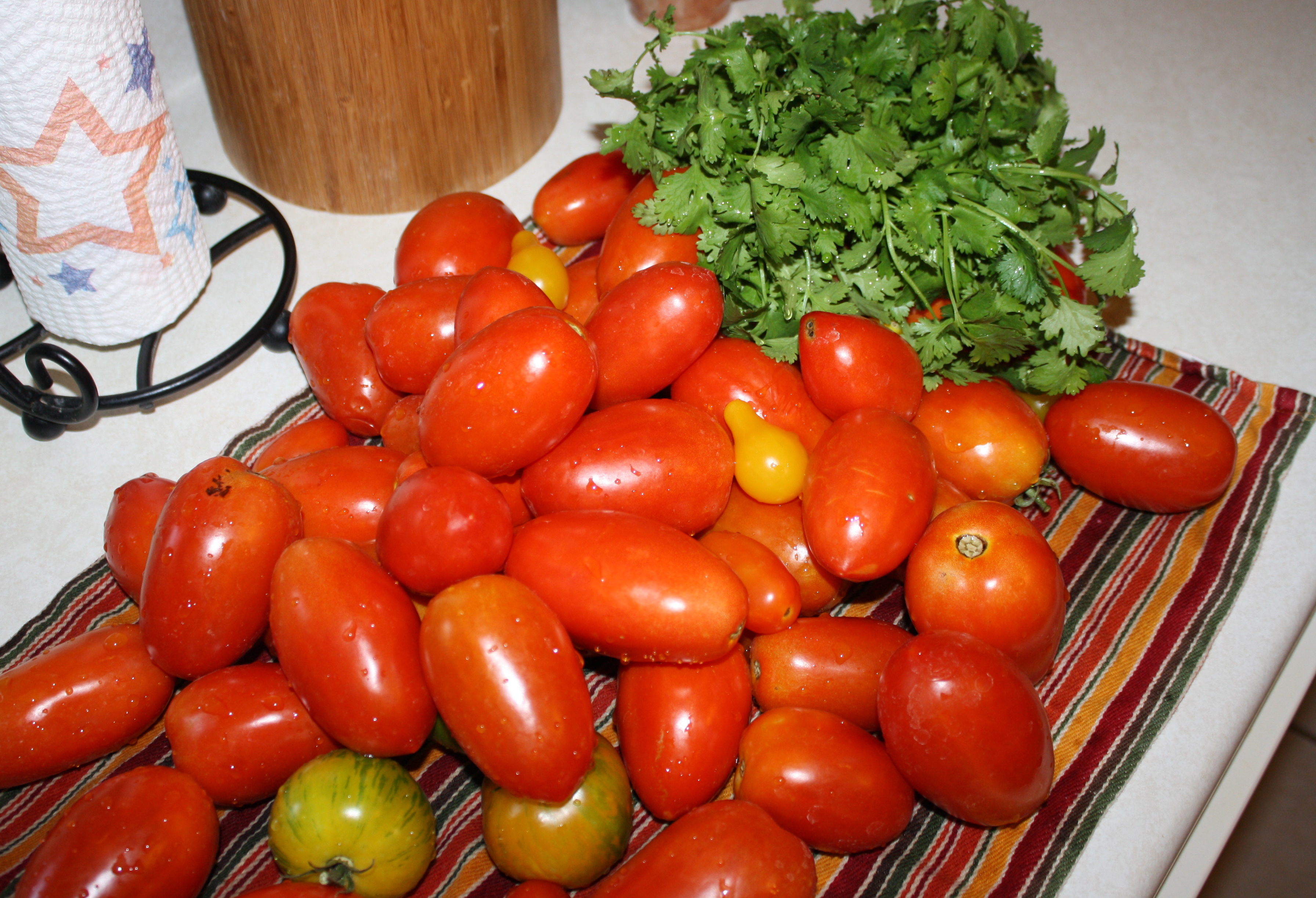
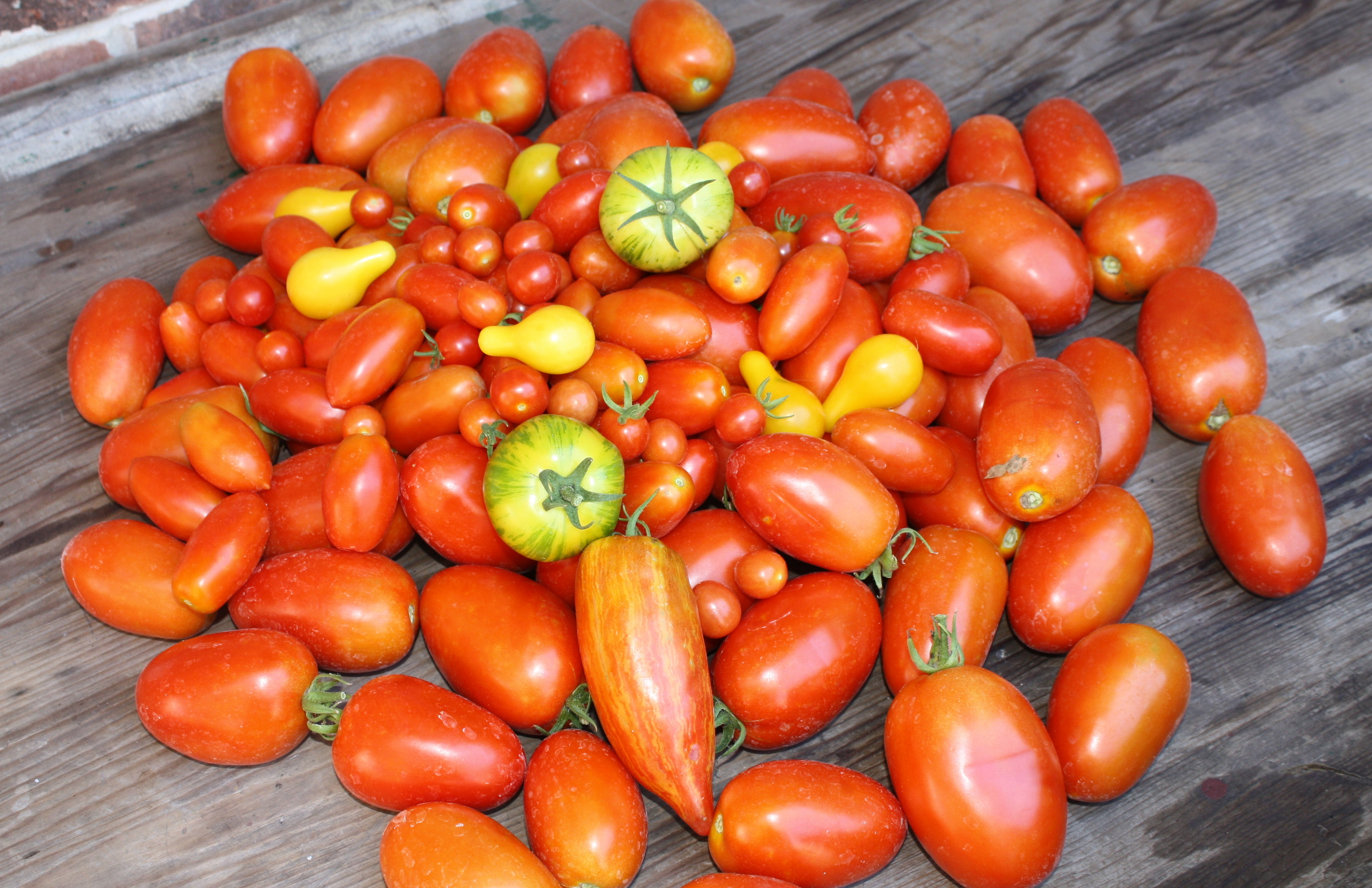
As I mentioned yesterday, our garden is quiet the producing machine right now.  The girls and I were in the garden all day yesterday and came out with bucket upon bucket filled with onions, tomatoes, cucumbers, greens, and carrots.

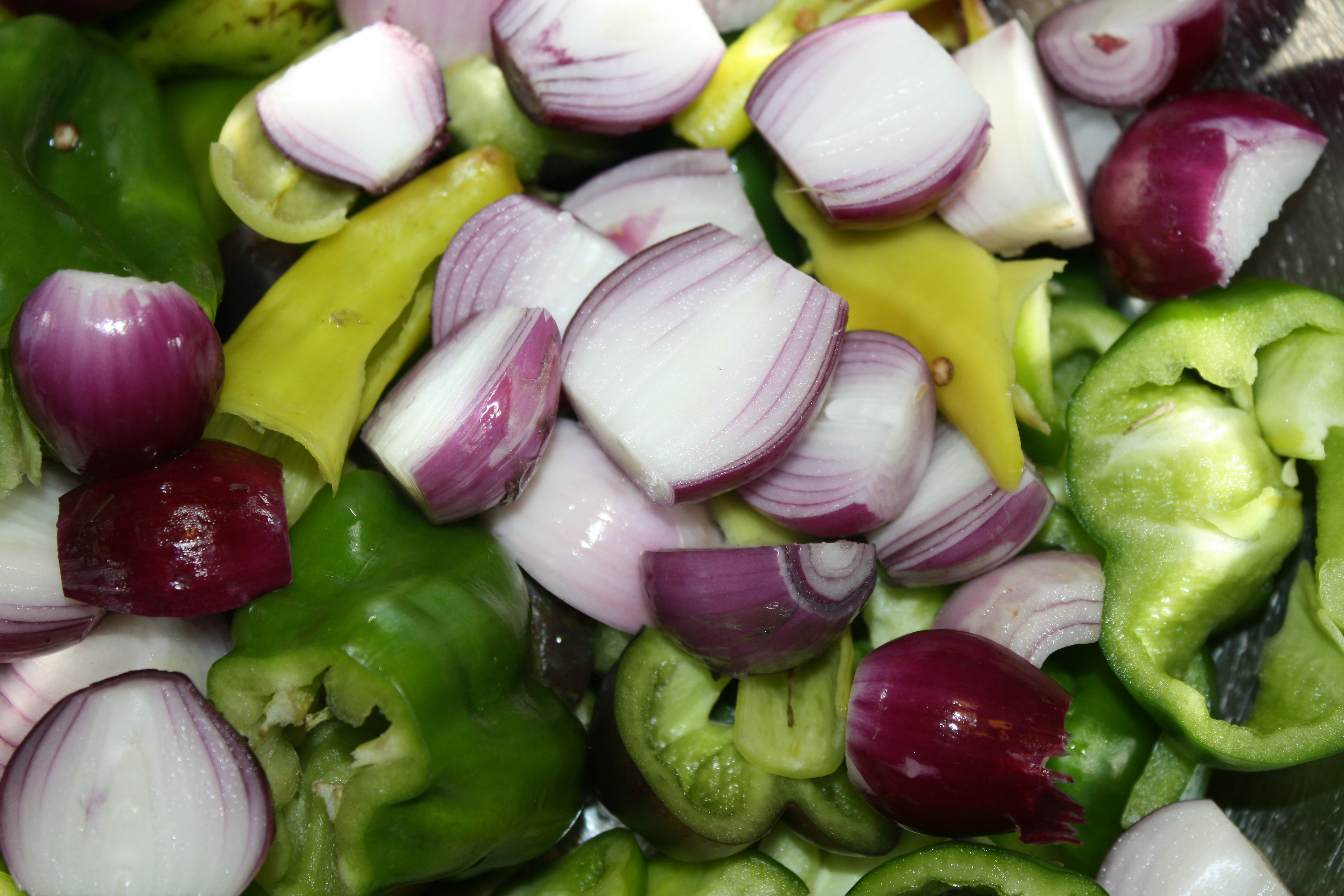
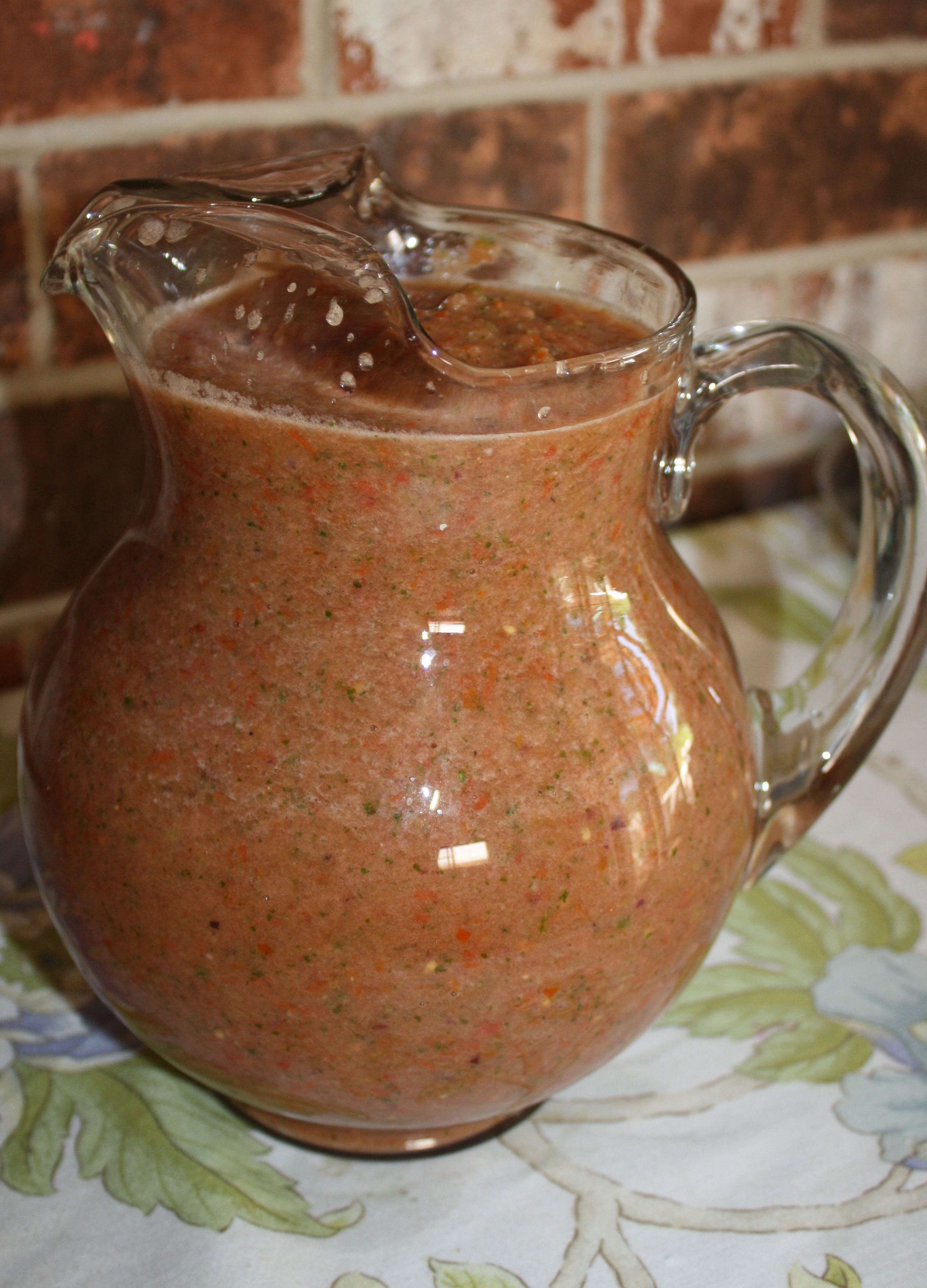
This time of garden abundance reminded me of my favorite summertime dish to make:  gazpacho.  (Gazpacho is a tomato-based soup traditionally served cold.)  You can literally throw in anything and everything you have fresh in your garden, give it a whirl in your food processor and you have a healthy, flavorful dish.  It’s a great way to ensure you are getting all of your veggies in, and it tastes wonderful too.  In our house we like to serve the gazpacho in glasses and drink it like a smoothie, but you could serve it in bowls and eat it with a spoon if you prefer it that way.

In the particular batch I made yesterday, I used:  tomatoes, green and purple sweet peppers, banana peppers, garlic, red onion and cilantro.  I then add salt, pepper and Sriracha (our kitchen could not survive without this stuff) to taste.

Market

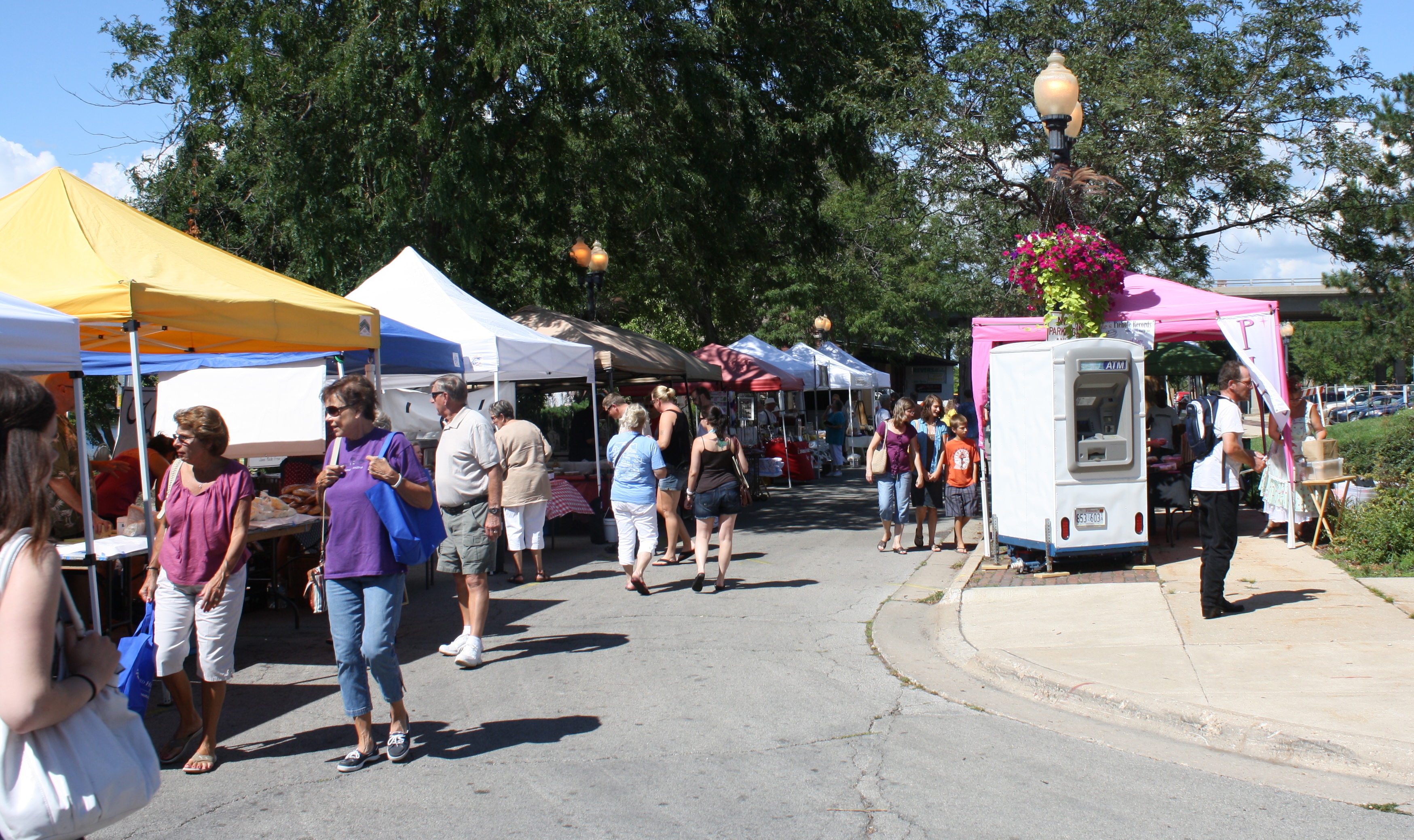
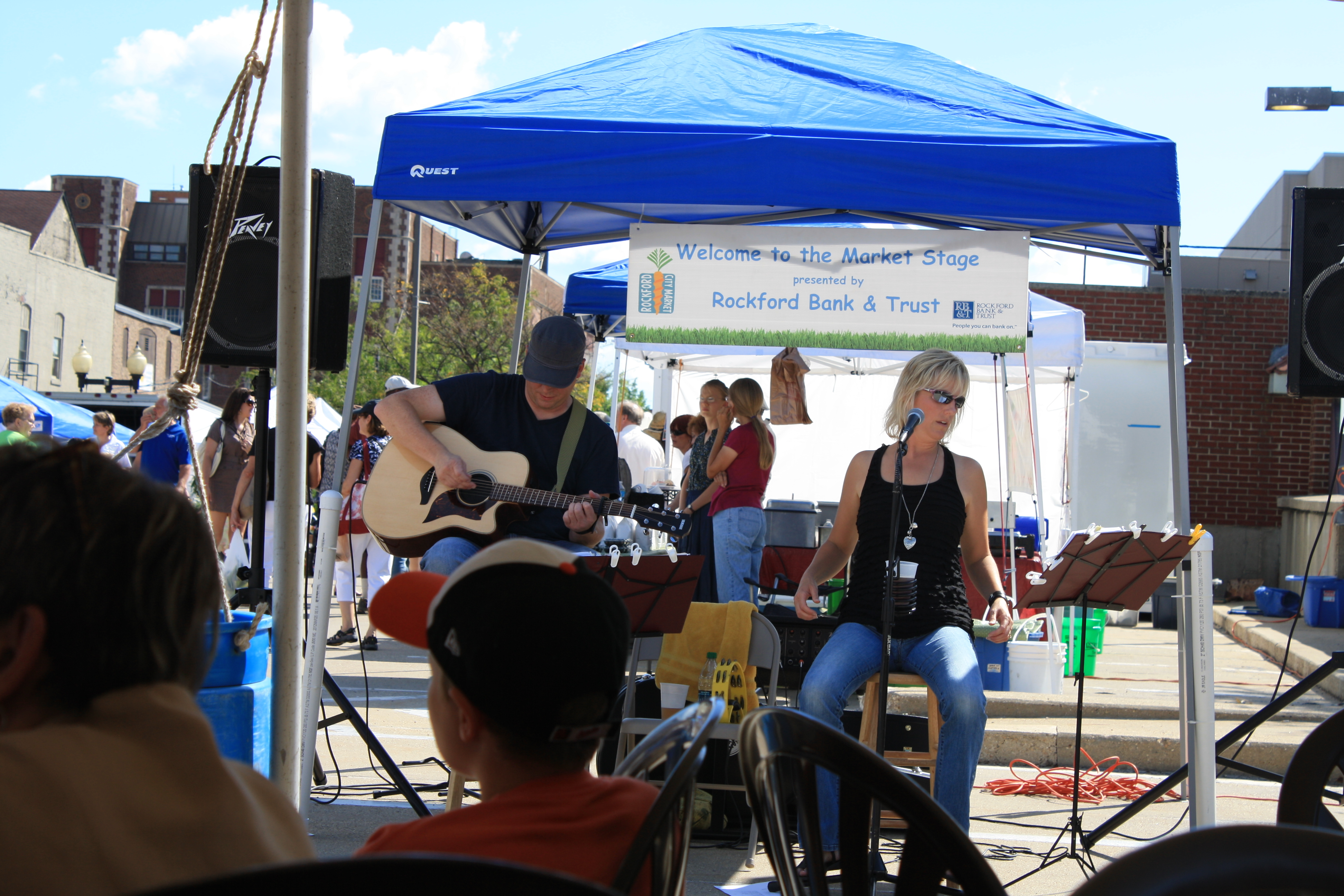
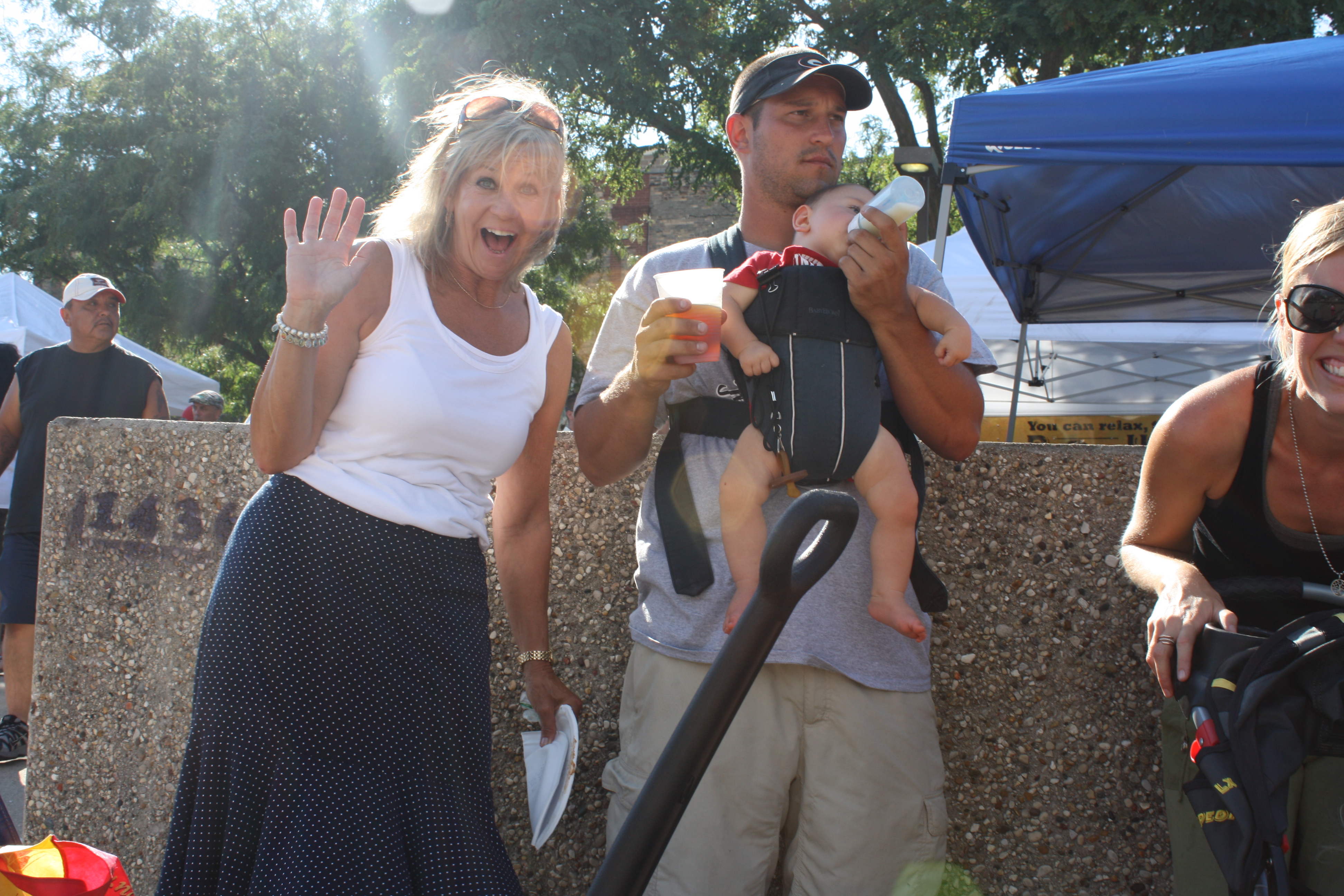
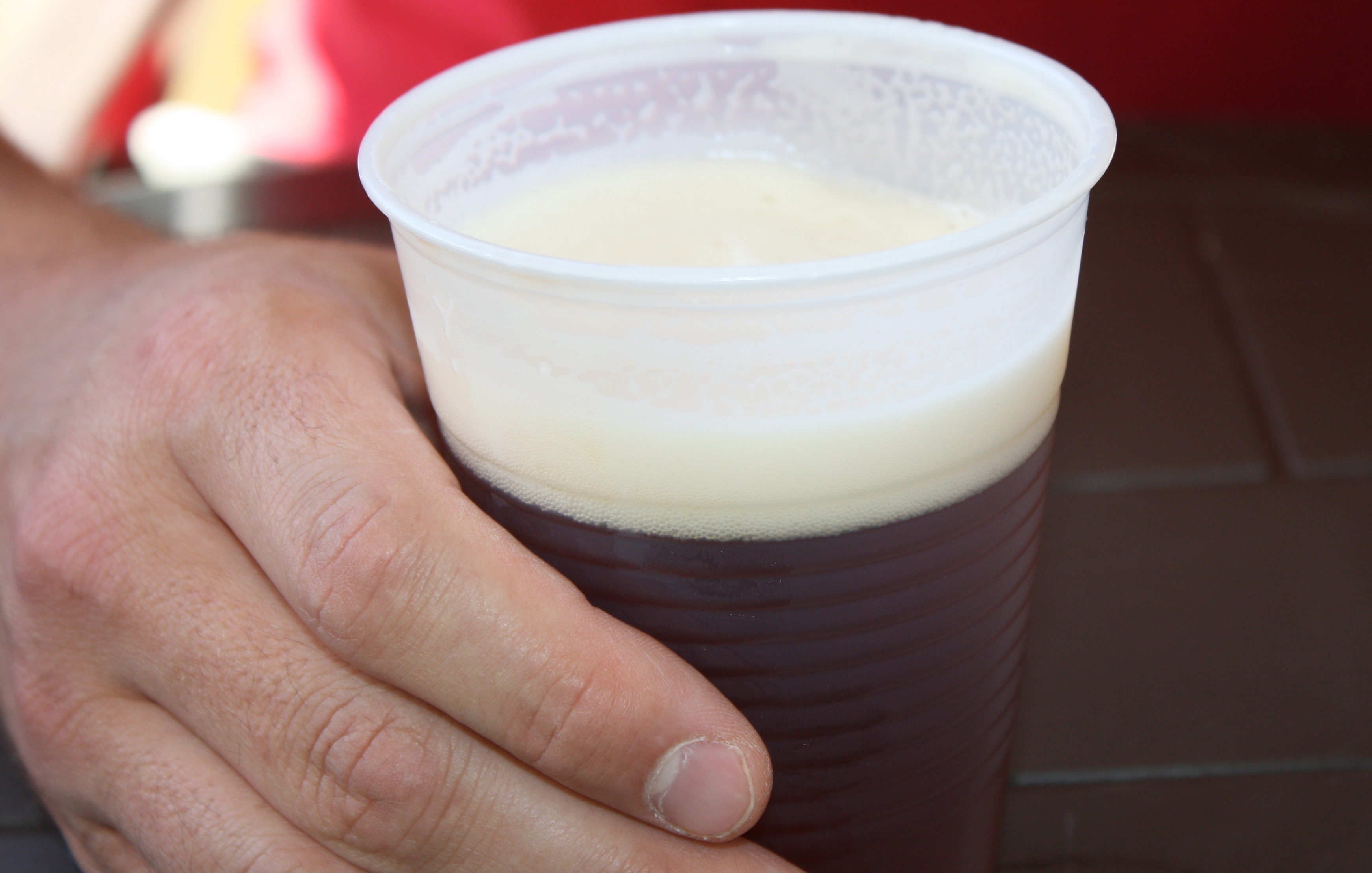
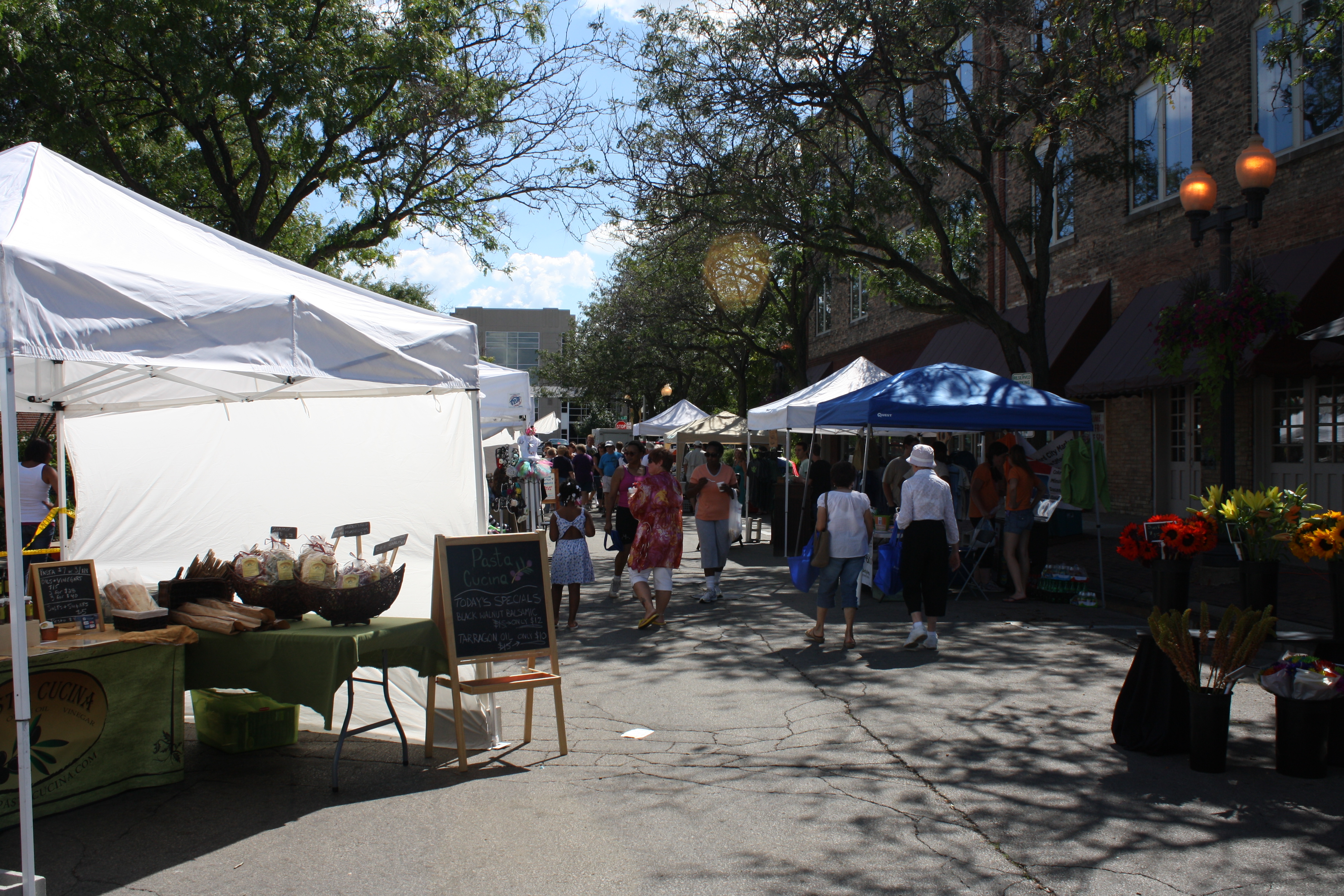
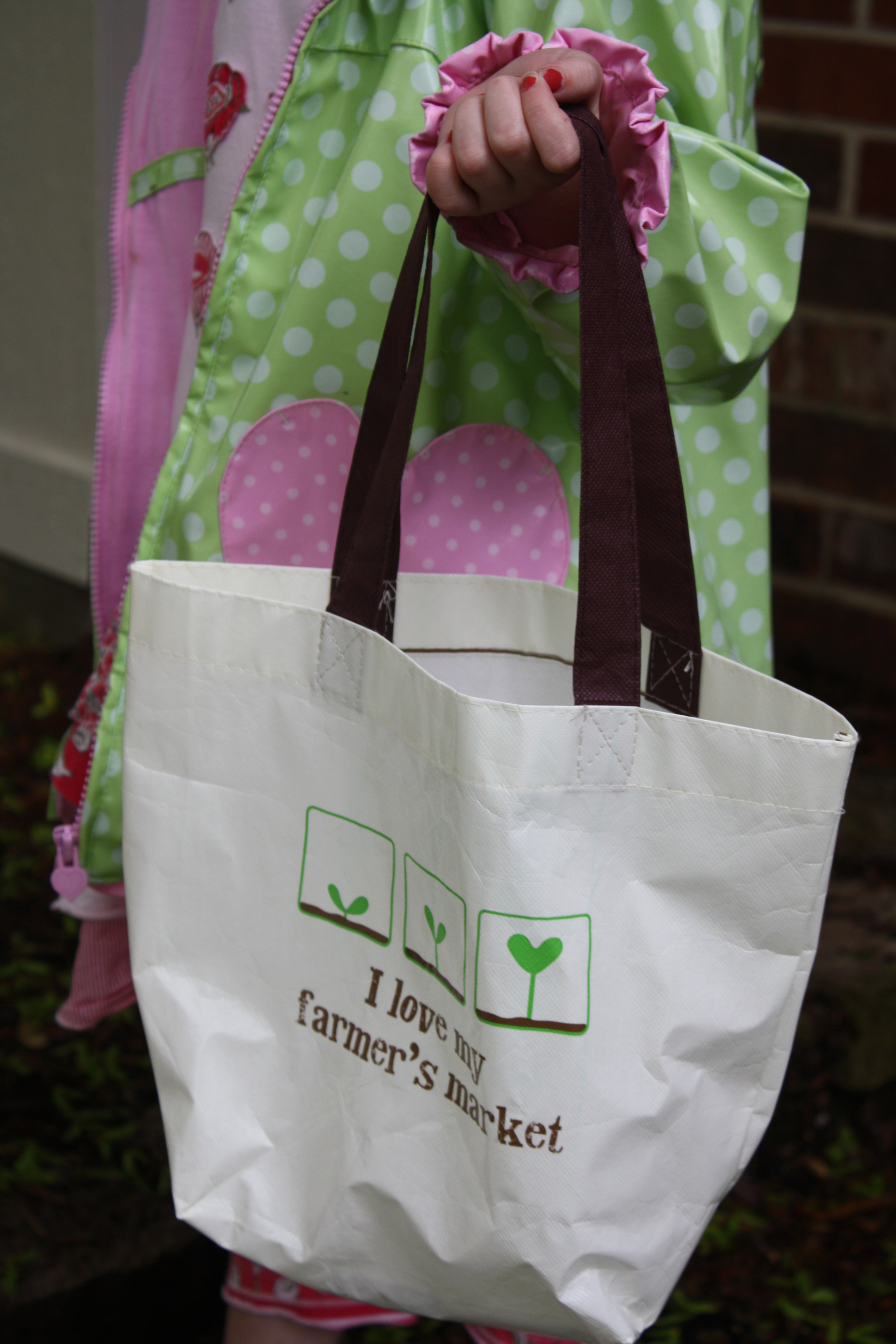
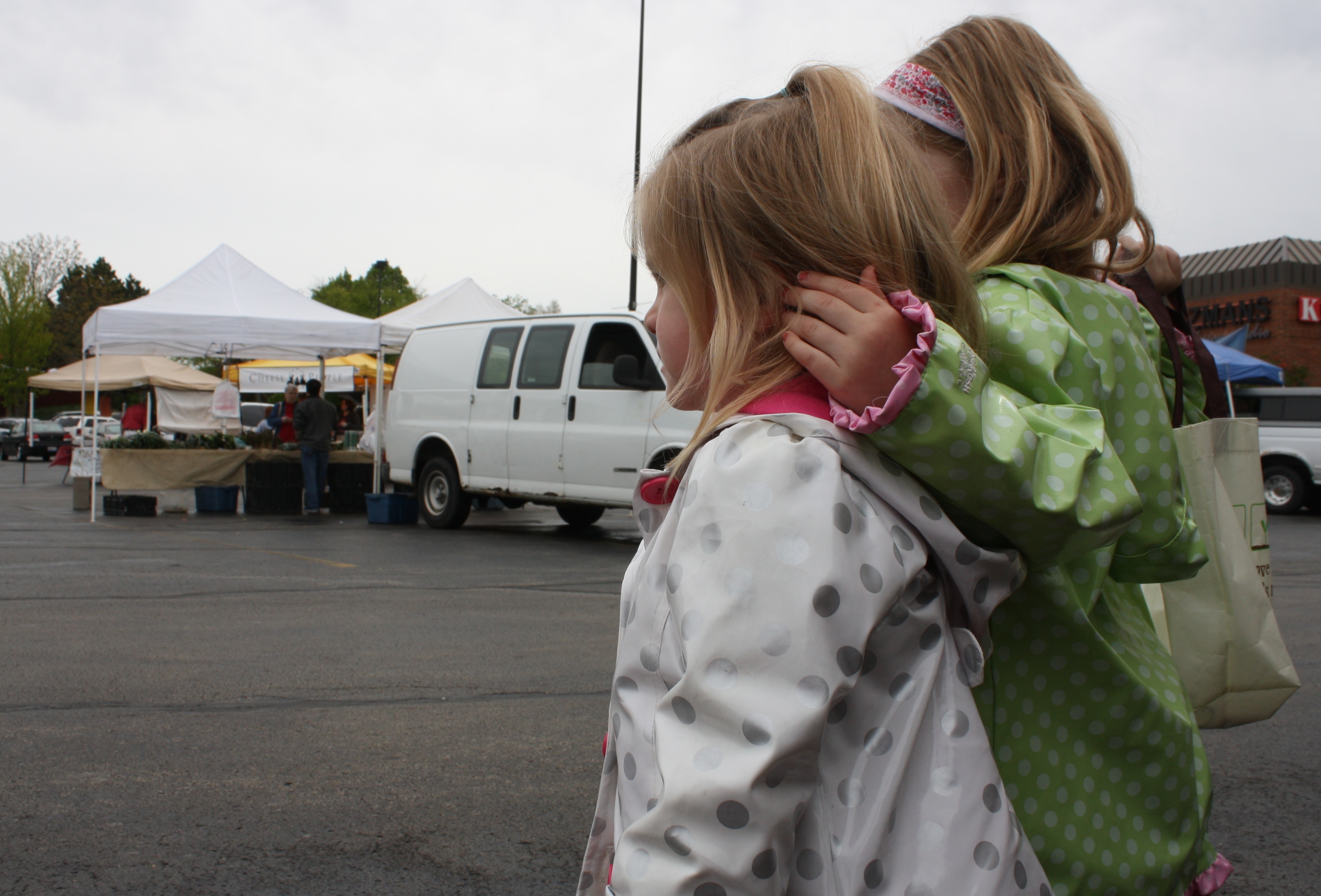
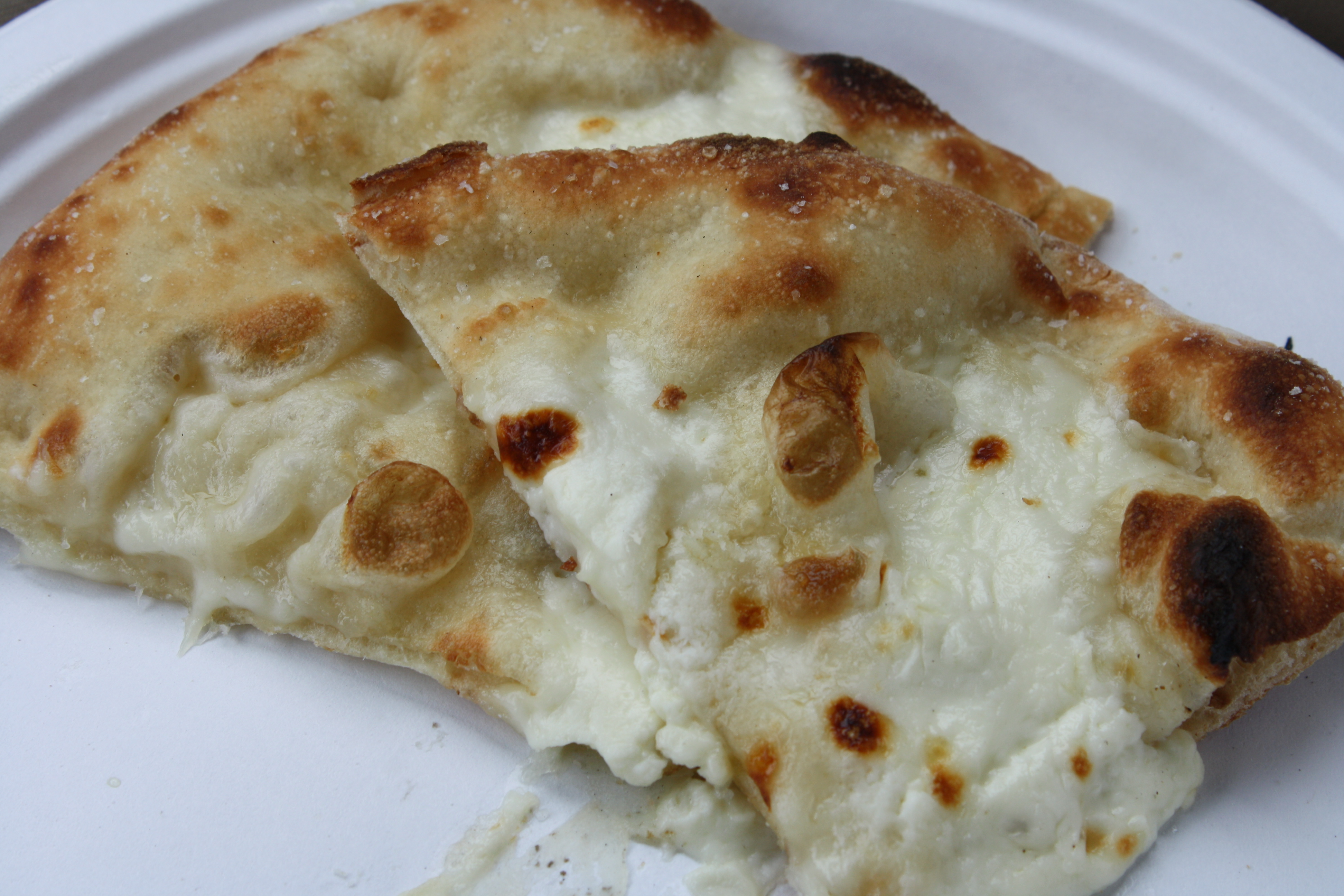
Each week we attend a variety of markets.  So, today I thought I’d give a bit of a photo journey through one of our trips to the market.  Complete with locally brewed beer, fresh wood-oven pizza, and lots and lots of community fun.

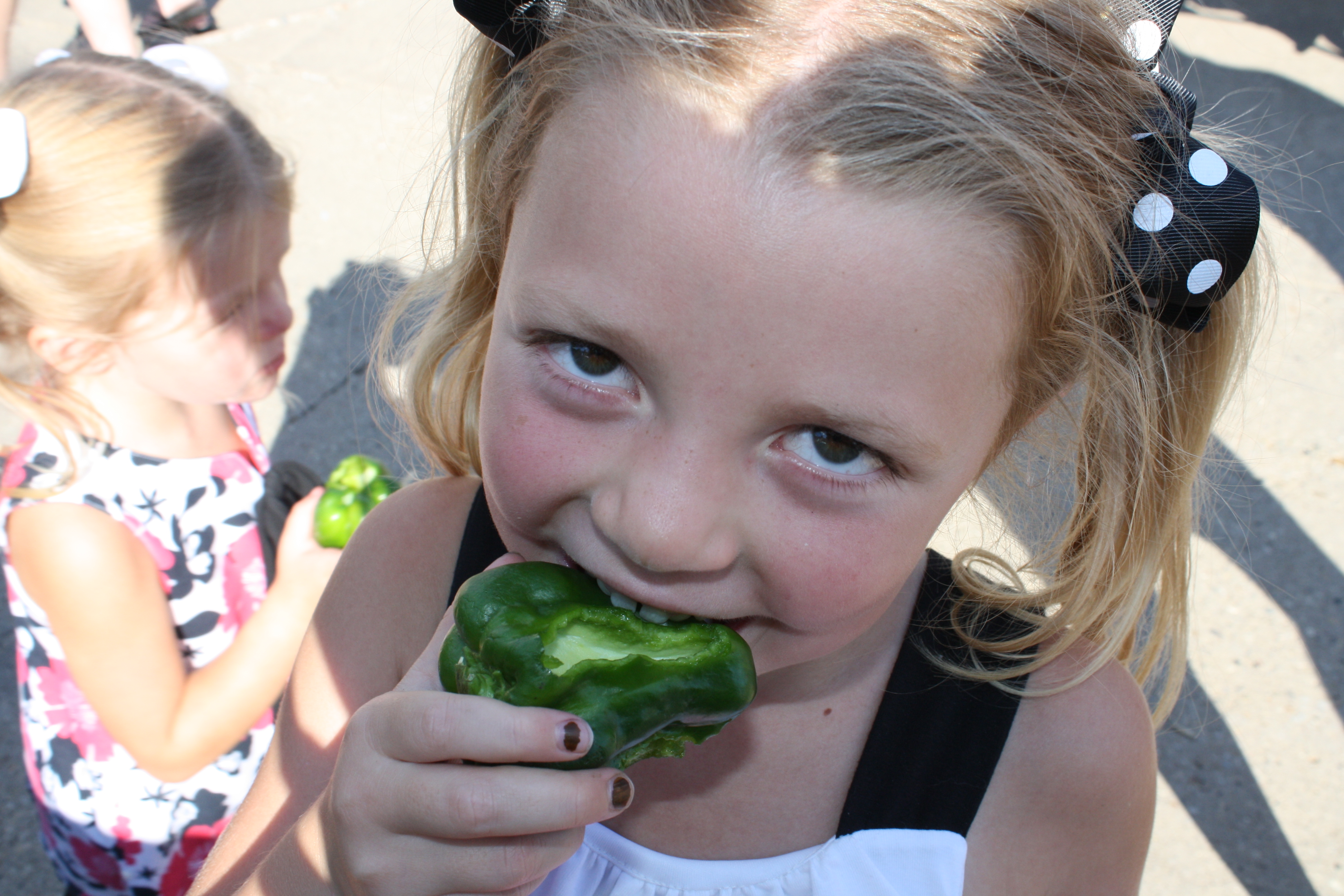
{Photo by my 5 year old…the blossoming photographer}

Putting Food By: Pesto

“Would you say your pesto is the besto?” ~Friends

Each and every time I watched Friends in college, snuggled up on the couch with my roomies, and heard Phoebe say this line, I roared with laughter.  Well, let’s face it, I pretty much laughed like crazy any time I watched that show.  But looking back, the funniest part is when I was in college, I had no idea what pesto even was!

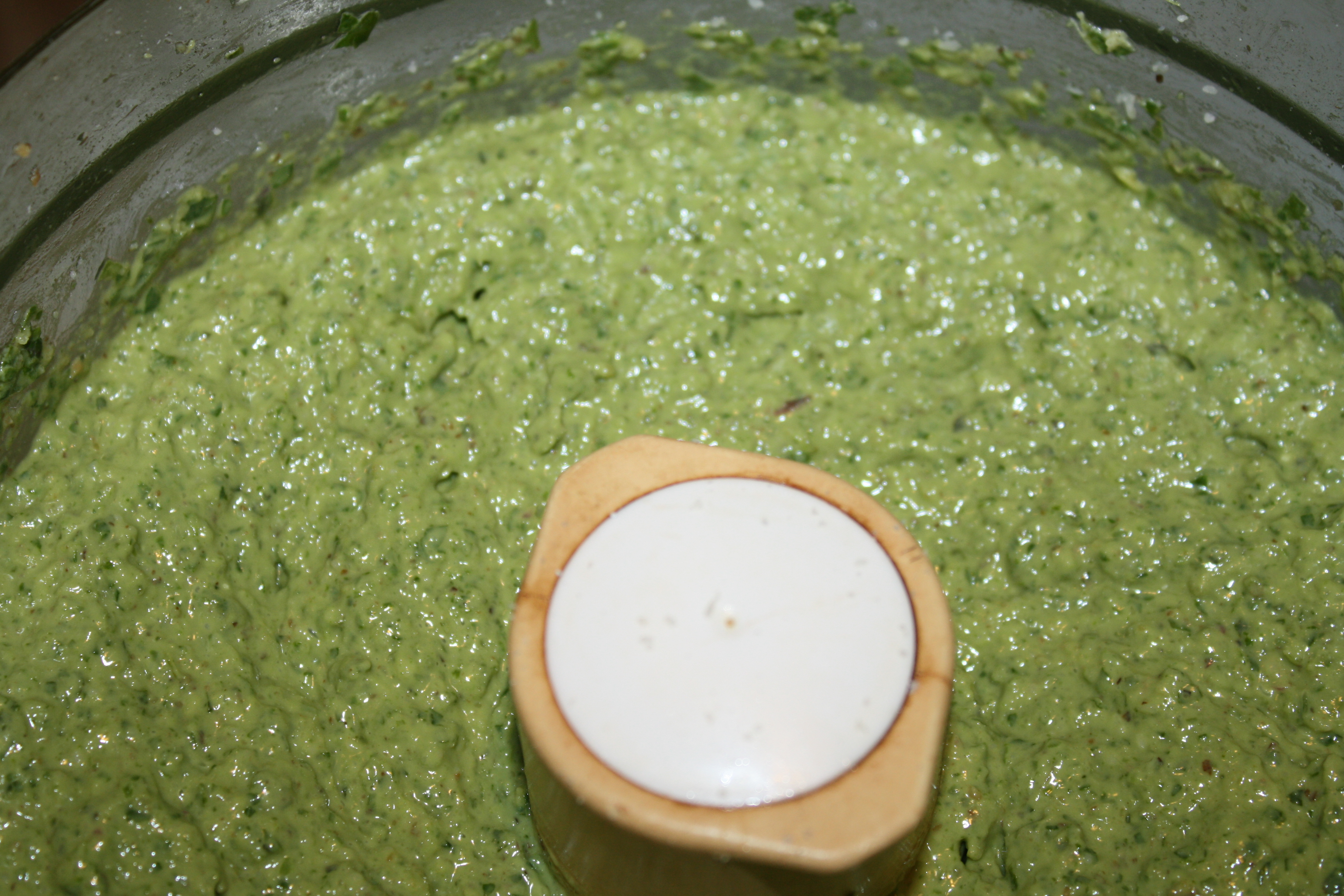
Now that I have discovered the wonderful world of pesto, I definitely would not say my pesto is the besto, but by golly it is pretty darn tasty.  I love, love, love making pesto in giant batches and freezing it for use in the winter months.  It helps to bring that lovely basil taste that reminds me so much of summer to the table when the heat is on and the snow is falling outside.

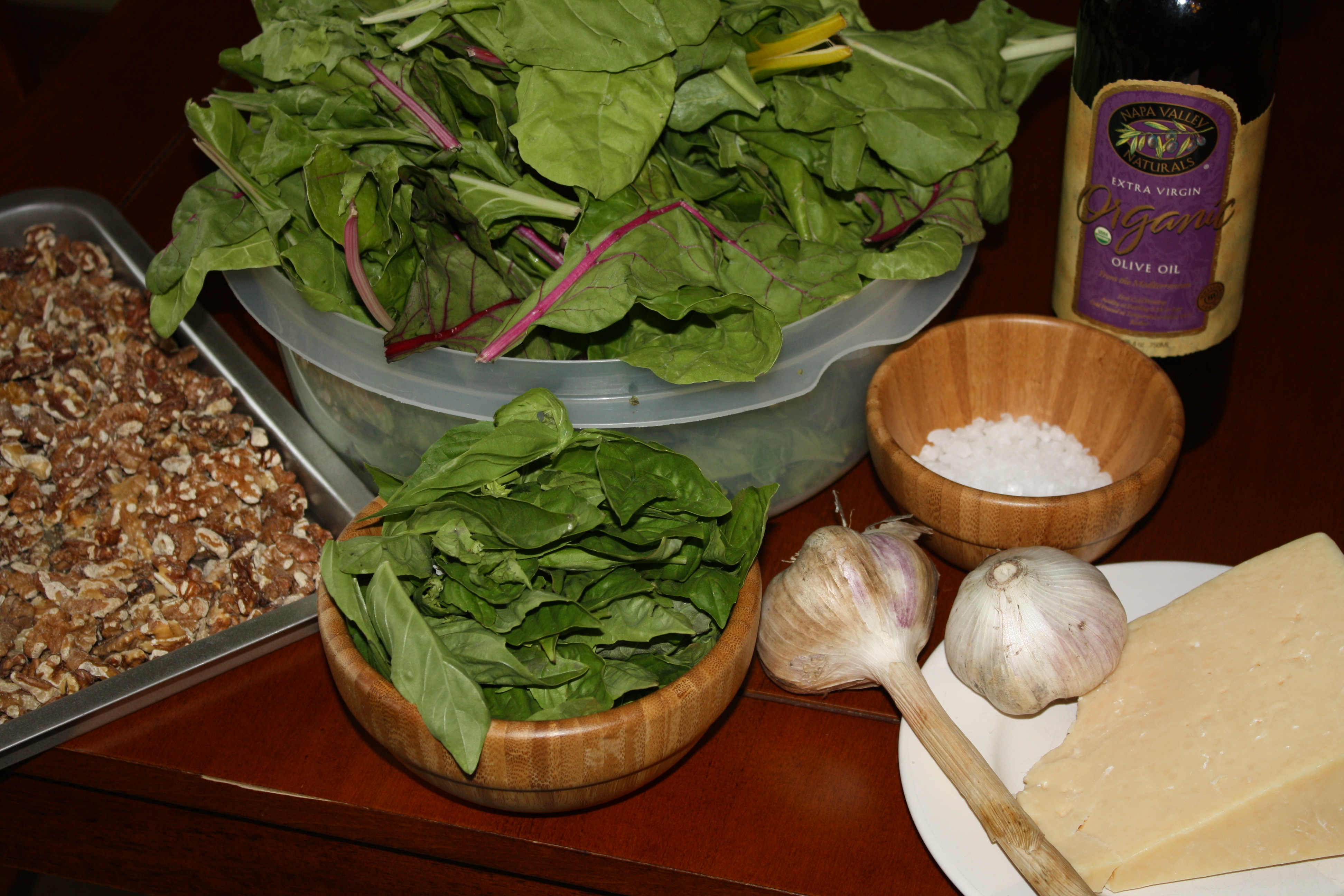
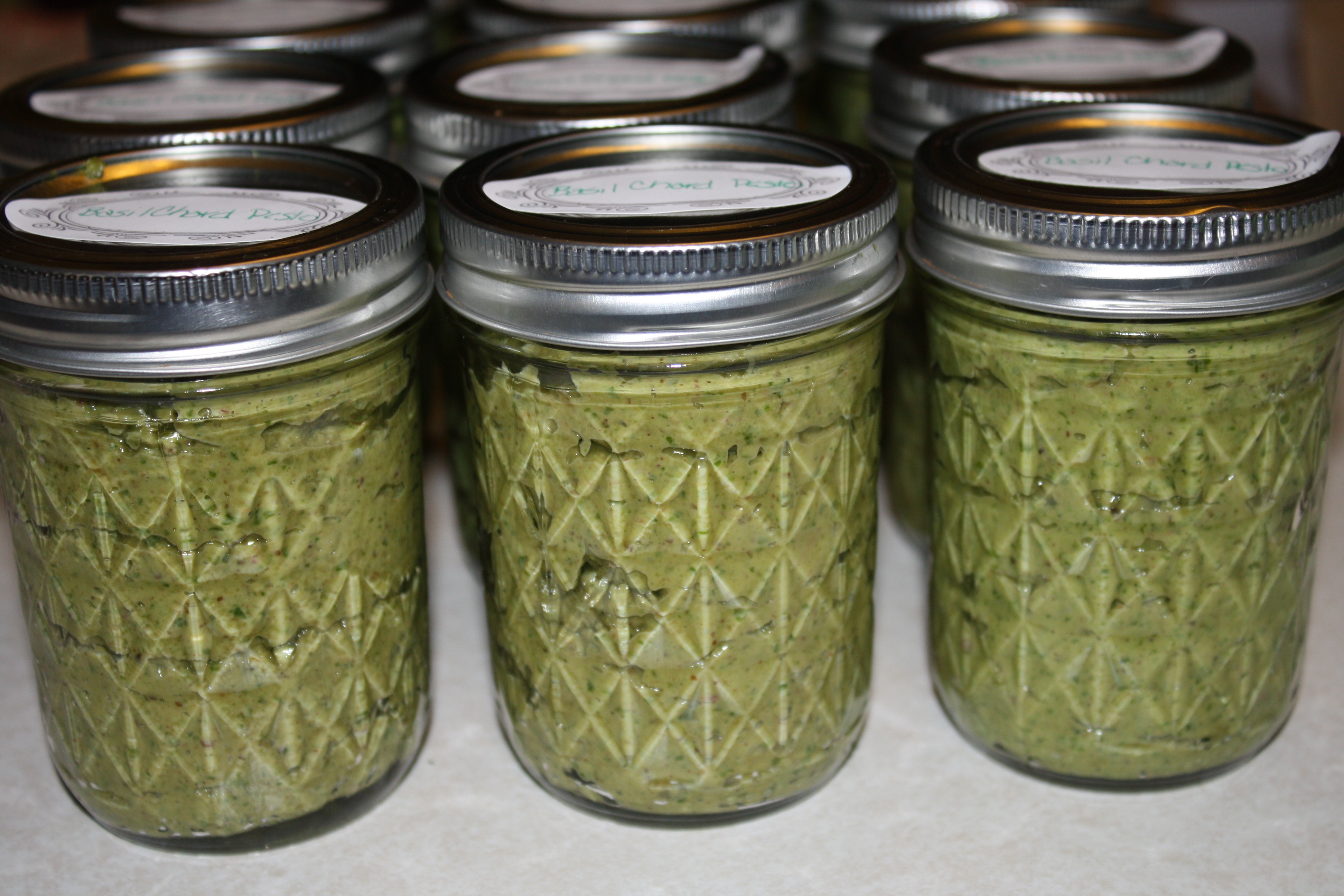
The particular batch I made this weekend had toasted walnuts, basil, swiss chard, garlic, Parmesan cheese, olive oil and salt.  But the great thing about pesto is you can use a wide variety of nuts and/or greens and the pesto will turn out great.

When I freeze my pesto, I put it in 8oz, freezer safe, glass jelly jars.  I fill each jar to 1 inch from the top (to allow for expansion in the freezer).  It freezes beautifully this way, defrosts easily and allows for easy preparation when you pop it out of the freezer at a later date.

***

Some of our favorite home preservation books are:

Putting Food By by Janet Greene, Ruth Hertzberg and Beatrice Vaughan

Animal, Vegetable, Miracle by Barbara Kingsolver (There are some great canning recipes scattered throughout the piece.)

The Big Book of Preserving the Harvest by Carol W. Costenbader

Putting Food By: Dilly Beans

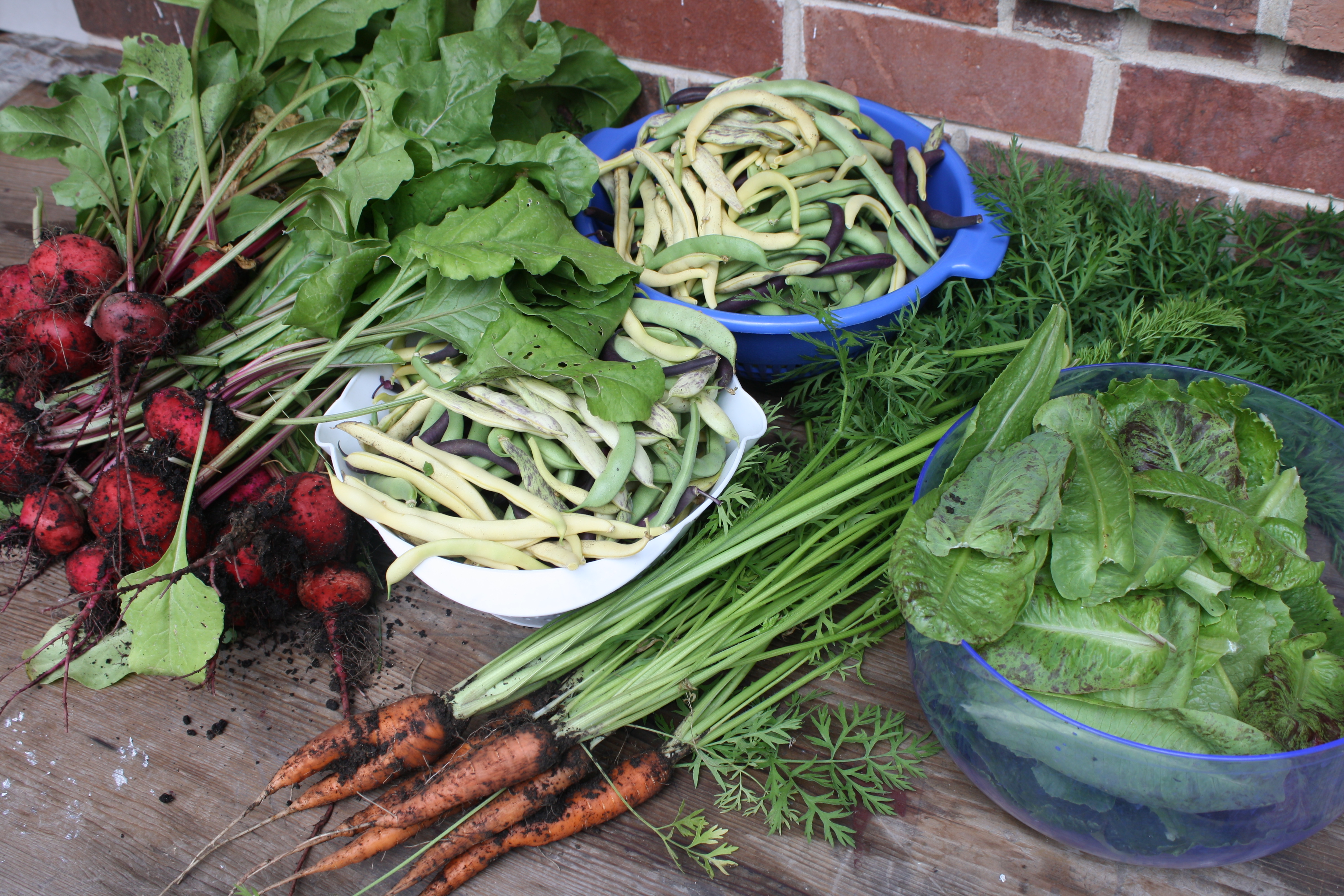
We have a few little friends who have again found an entry point into our garden:  the rabbits.  So before they could reek havoc over too much of the garden space, I picked what I could from our bean patch because that seems to be their vegetable of choice right now.  I was shocked to find, that despite this incessant heat we have been experiencing, I was able to harvest quite a hefty bean crop.  In fact, I was able to gather so much that I needed to find something to do with some of them.  Enter dilly beans.

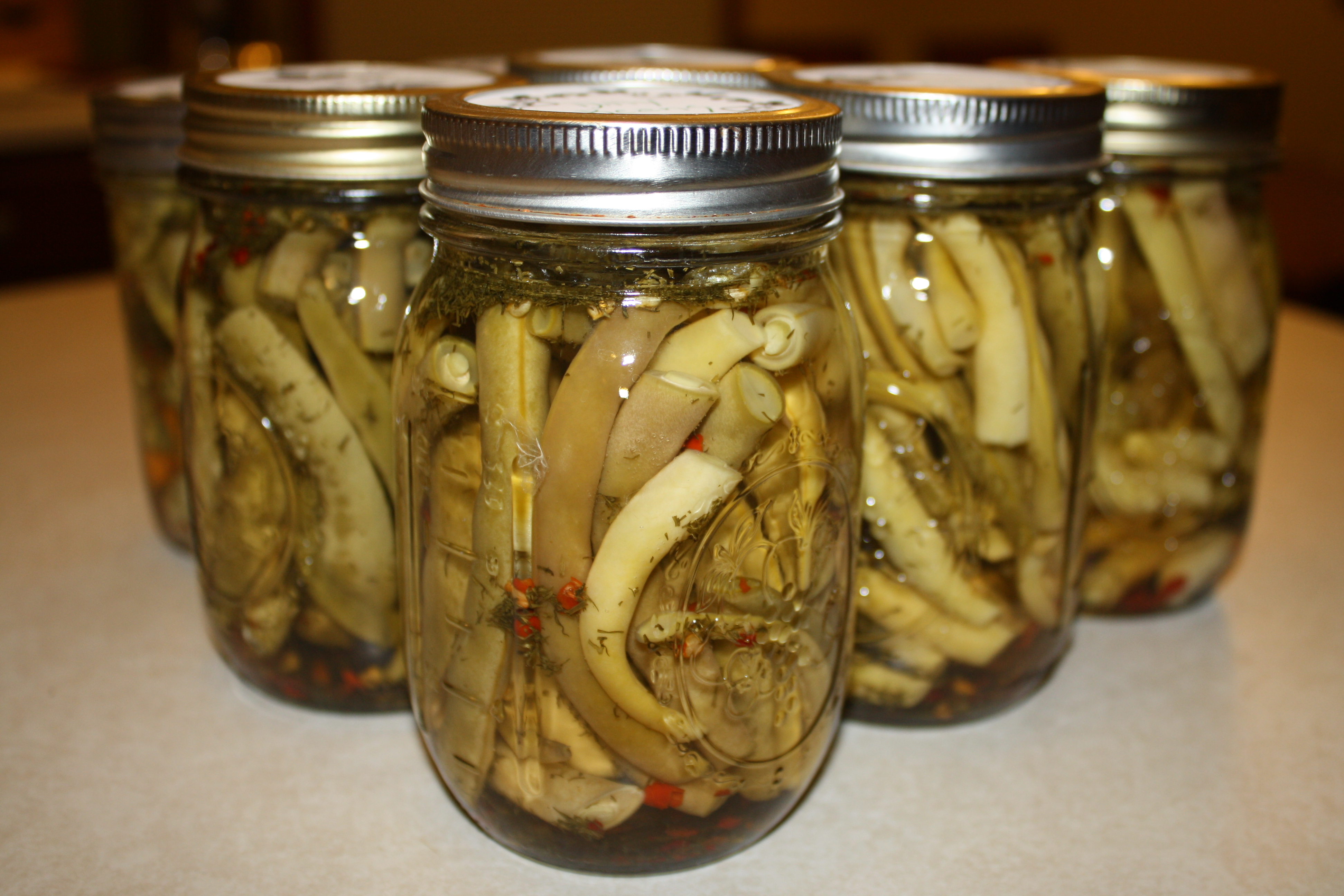
For those of you that have never had dilly beans, they are just plain yummy.  A little hot from the chilli peppers, a little sour from the vinegar and a little spicy from the garlic…what more could a girl ask for?

This year I found a great recipe in Putting Food By (listed below with a link), which only required a hot water bath canning method.  There were very few ingredients required and the entire process did not take long at all.  Now we have some more great summer veg ready to go for the winter.

What do you do with your surplus of green beans?  Leave a comment and share ideas with others.

***

Some of our favorite home preservation books are:

Putting Food By by Janet Greene, Ruth Hertzberg and Beatrice Vaughan

Animal, Vegetable, Miracle by Barbara Kingsolver (There are some great canning recipes scattered throughout the piece.)

The Big Book of Preserving the Harvest by Carol W. Costenbader

Putting Food By: Pickled Beets


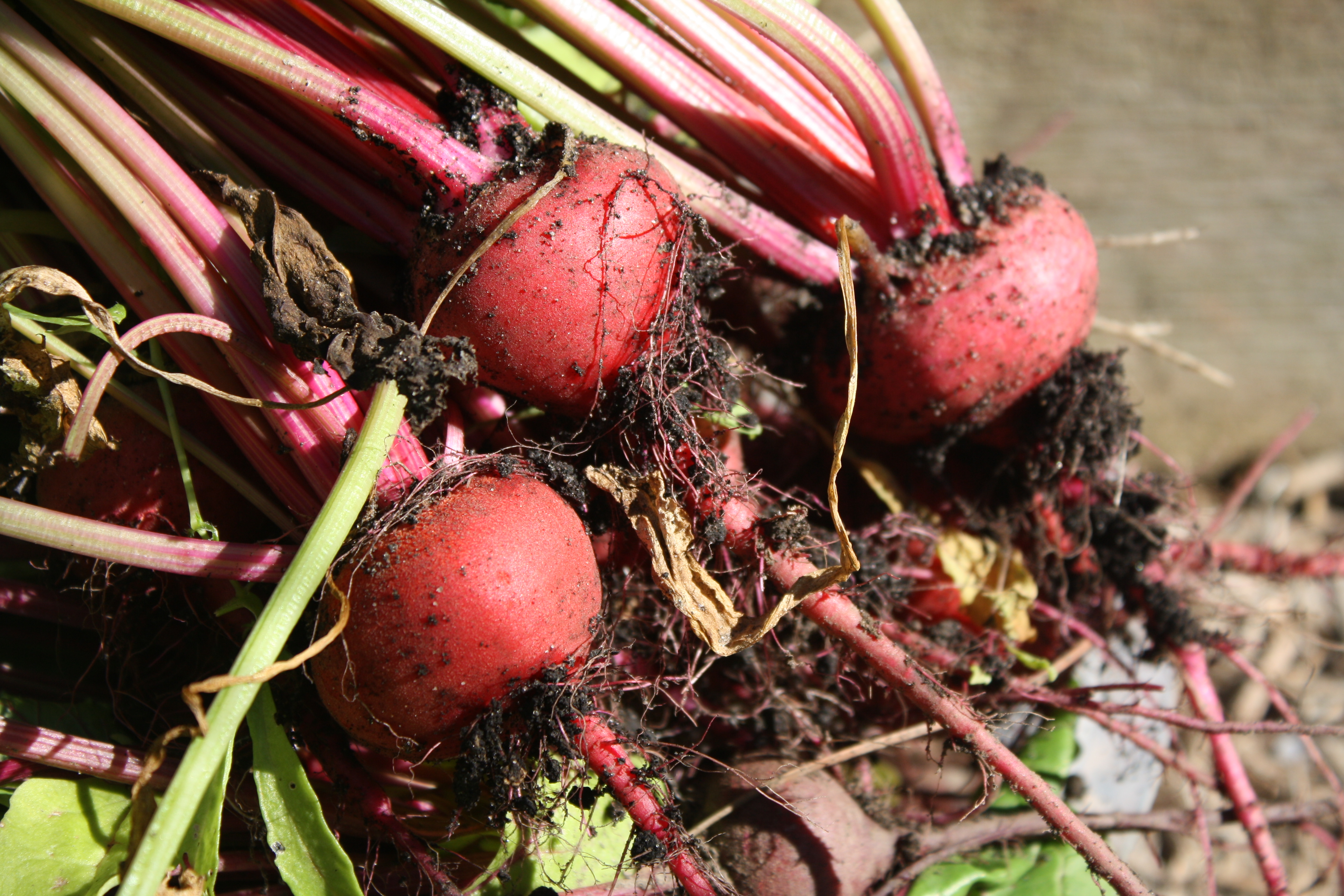
Despite the extreme heat we have had the past several days, our beets seem to be absolutely thriving.  In fact, they seem to be the only thing in our garden these days that are not being absolutely devoured by Japanese beetles.  Ug.

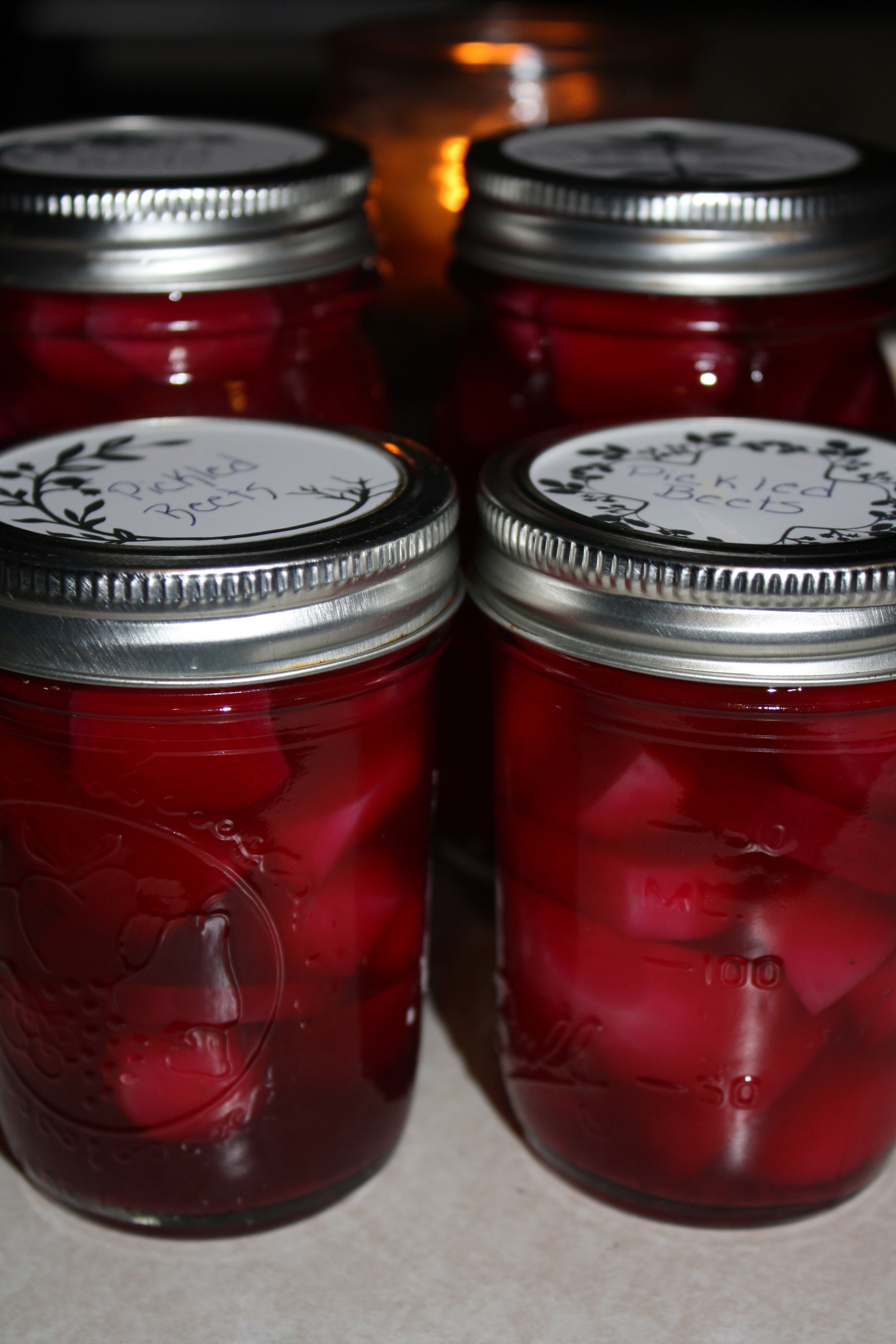
But enough of the negative and on to the positive…these beets.  Yum.  We pulled up our first round of beets this week and we were thrilled to find they had filled out nicely beneath the thick layer of soil.  My favorite way to eat beets is to pickle them, so I used a very easy pickling recipe from Putting Food By (listed below with a link), and before I knew it we had jars full of tart and scrumptious pickled beets.


***

Some of our favorite home preservation books are:

Putting Food By by Janet Greene, Ruth Hertzberg and Beatrice Vaughan

Animal, Vegetable, Miracle by Barbara Kingsolver (There are some great canning recipes scattered throughout the piece.)

The Big Book of Preserving the Harvest by Carol W. Costenbader

Putting Food By: Rhubarb and Strawberries

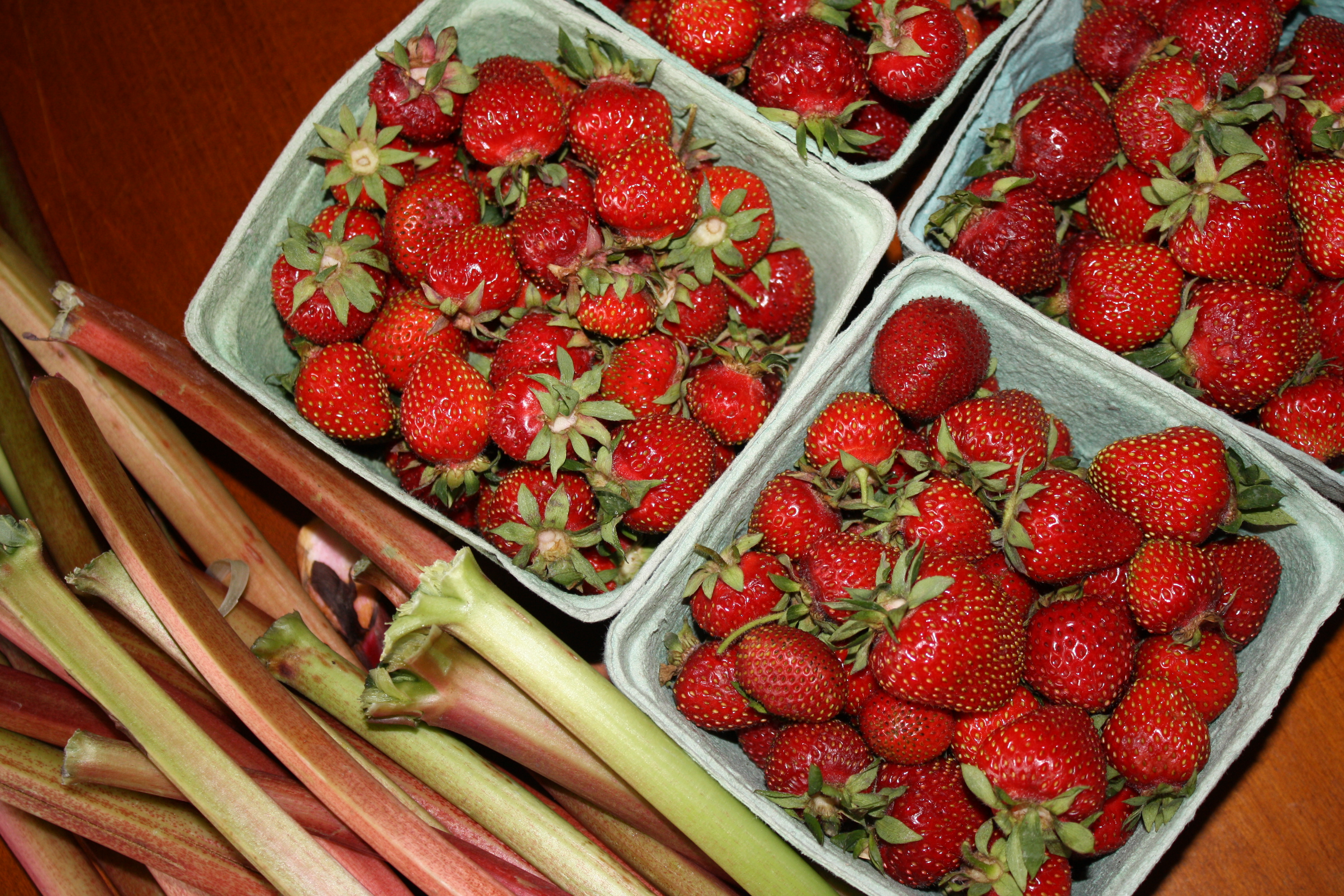
Today I bring you another quick food preservation tip.  Today’s topic:  rhubarb and strawberries…The perfect combo!  Rhubarb and strawberries freeze beautifully and it takes little time.

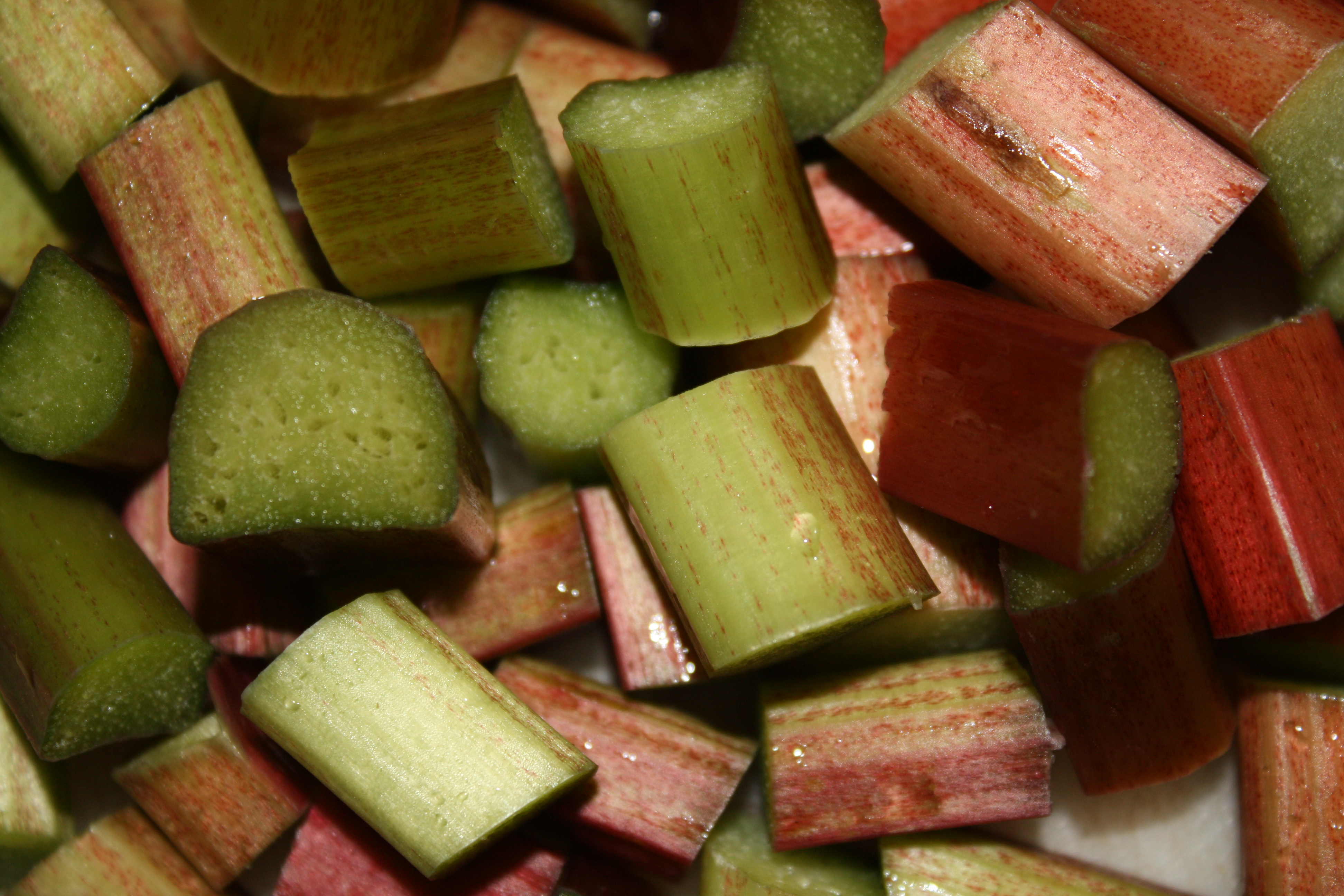
For the rhubarb:  Rinse the rhubarb and allow to dry.  Then cut off the rough ends of each piece.  Cut the rhubarb into 1 inch bits, toss into a gallon size freezer bag and you are done.  Throughout the year, I simply pull out the desired amount of rhubarb I need for a recipe, allow it to thaw out and you are all set.

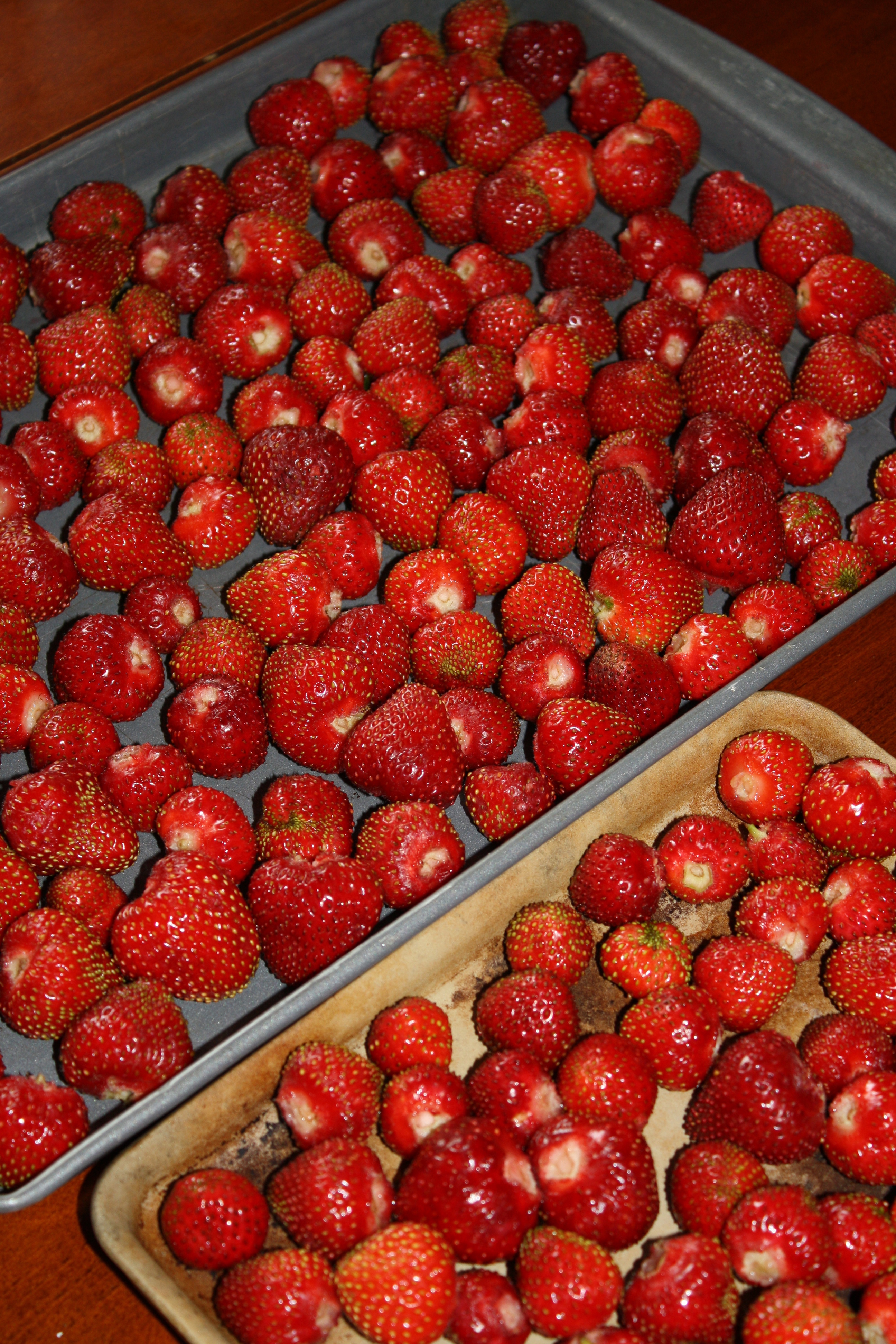
For the strawberries:  Wash the strawberries and pinch off the green leaves and stem. Allow the strawberries to dry.  Then place the strawberries on a cookie sheet or baking pan.  Place the pan in the freezer for a couple of hours.  (This will allow each strawberries to freeze individually, so that you don’t have a giant mass of frozen strawberries in a freezer bag that you can’t use.)

Once the strawberries have frozen, toss them into a gallon size freezer bag and that’s it!  I pull these frozen jewels out all year long to add to our smoothies.  You could of course allow them to thaw and use them in baked goods as well.

***

Some of our favorite home preservation books are:

Putting Food By by Janet Greene, Ruth Hertzberg and Beatrice Vaughan

Animal, Vegetable, Miracle by Barbara Kingsolver (There are some great canning recipes scattered throughout the piece.)

The Big Book of Preserving the Harvest by Carol W. Costenbader

Putting Food By: Garlic Scapes

This month marks the two year point from when I was able to start staying home with my little ones and really begin to start honing my homemaking skills.  The past two years have been magical, challenging, and as all new adventures are….educational.

One of my greatest feats I have been able to tackle has been putting food by for my family for those cooler months when food is not as abundant, or doesn’t come up at all.  Now, I word this as a feat because I was always so intimidated by the entire idea of food preservation.  I felt like there was so much research to be done, classes to be taken, and all of this was daunting because that meant time, time, time.

However, now that I have done the research, I have come to realize that putting food by does not have to be alarming at all.  And in all honesty, it doesn’t have to take up much time either.

My biggest source of information when it comes to food preservation has been talking with farmers and other shoppers at the local farmer’s markets.  You can learn a lot talking to the nona who has been canning tomato sauce for 50 years, or the farmer who has been freezing their strawberries for as long as they have been growing them.  And the great part about these conversations is that they don’t take any more than a few minutes, and then you can be on your way, ready to begin your preservation journey.

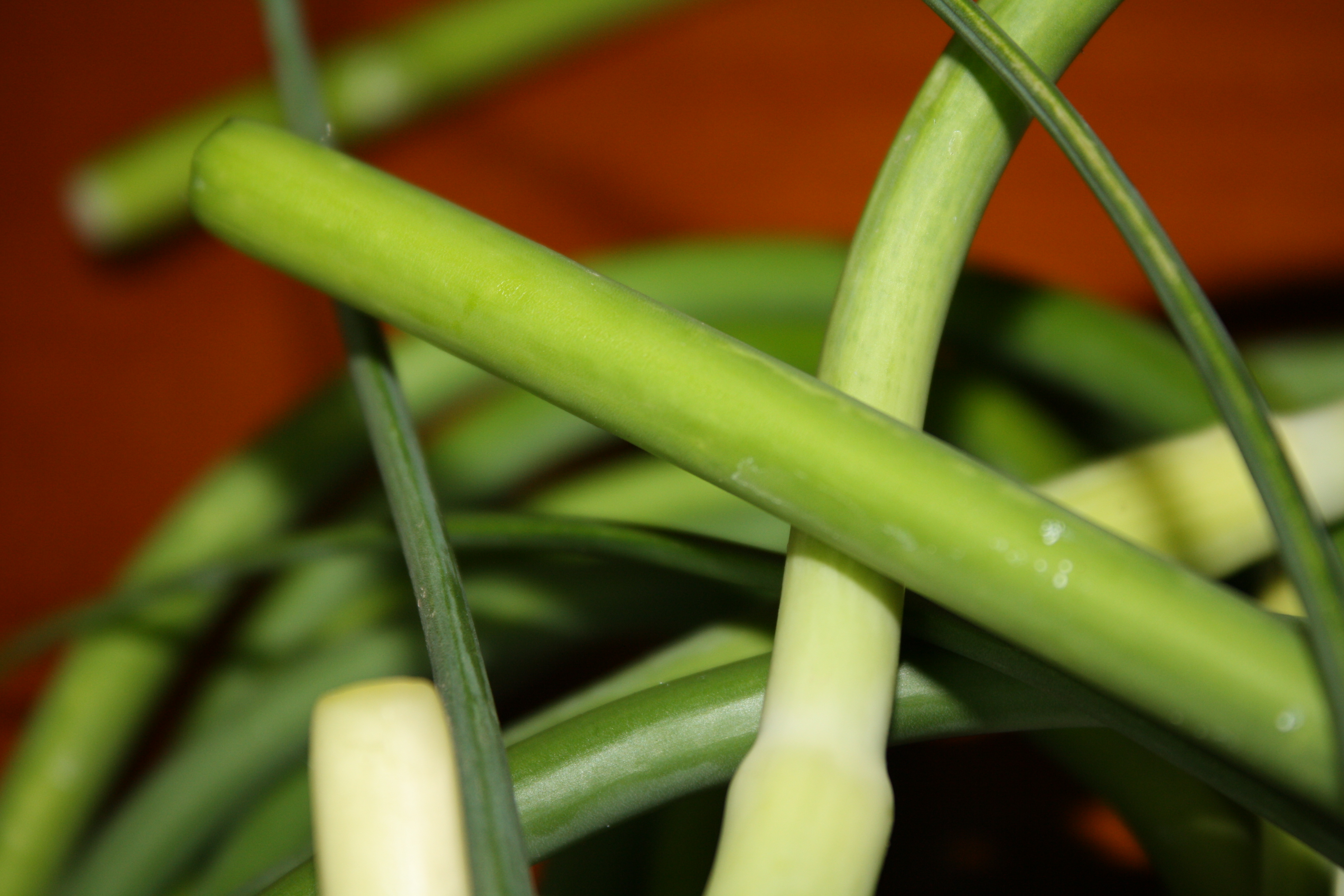
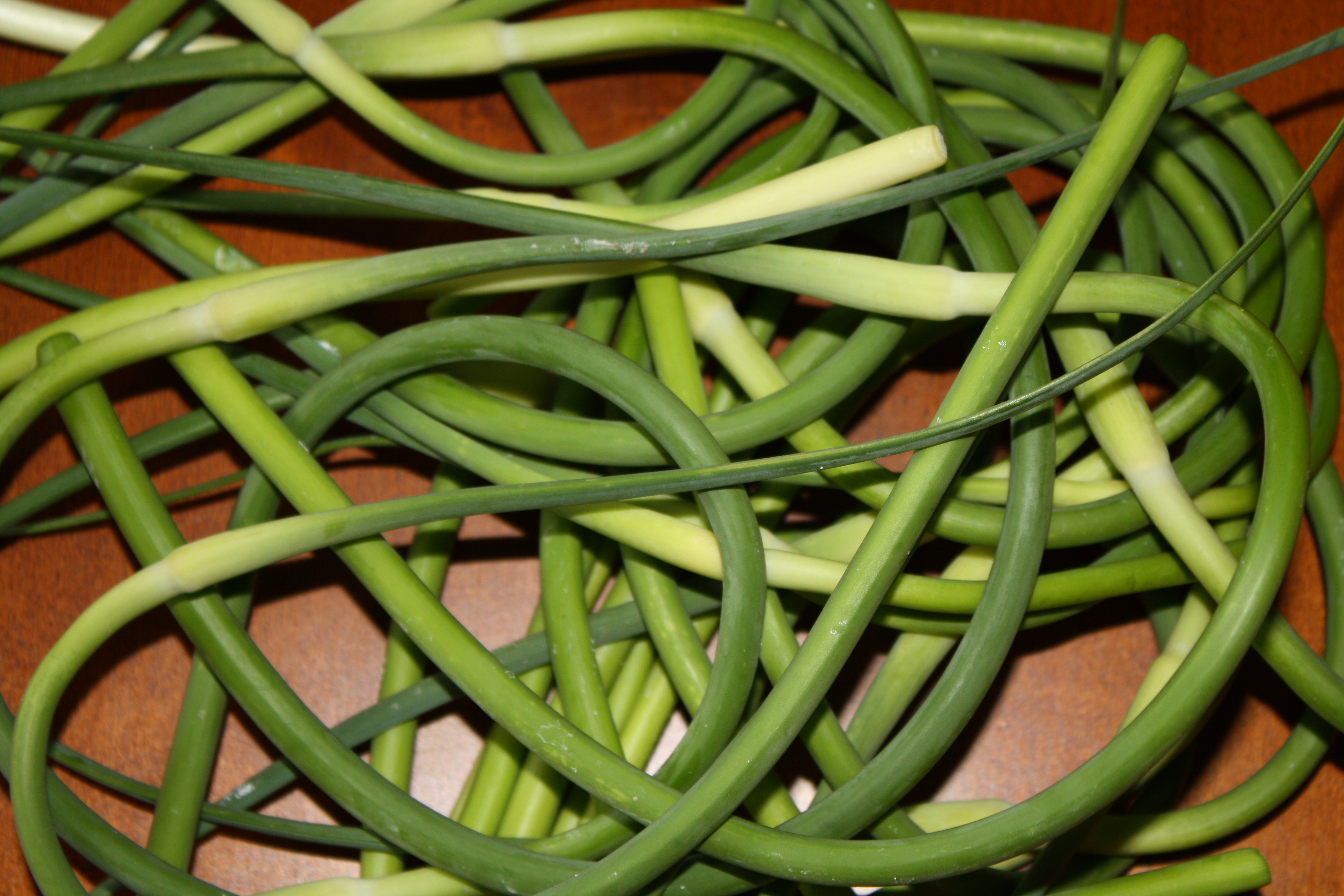
Yesterday I had one of these fabulous conversations with a local farmer who was selling garlic scapes.  Garlic scapes are the green off shoots that emerge from the soil when growing hardneck Rocombole garlic.  It looks much like a green onion, but a bit thinner and curly.  The farmer told me that you can prepare garlic scapes as you would green onions, but it obviously adds a lovely garlic taste to the dish instead of an oniony one.

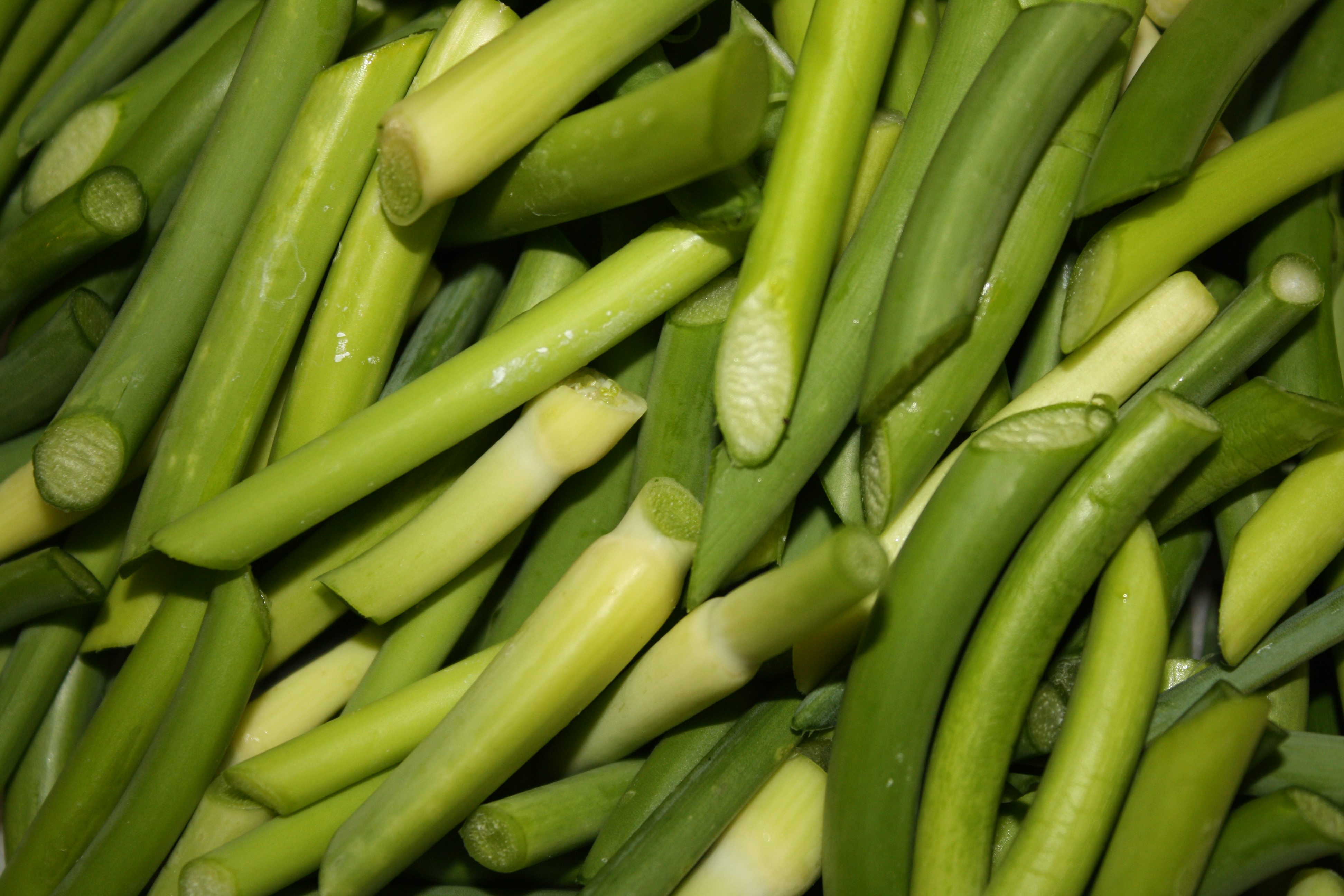
The farmer then proceeded to tell me they freeze beautifully.  This made my ears perk up because I’m always in the market for food I can put by for another day.  She told me to simply rise off the scopes and cut them into one to two inch sections.

Then you simply place the pieces in a small zip lock freezer bag and freeze.  She told me she will pull a few chunks out if she is making chilli or soup in the winter time and she just throws them in the pot frozen and they cook up nicely and give the dish delicious spicy flavor.

***

Some of our favorite home preservation books are:

Putting Food By by Janet Greene, Ruth Hertzberg and Beatrice Vaughan

Animal, Vegetable, Miracle by Barbara Kingsolver (There are some great canning recipes scattered throughout the piece.)

The Big Book of Preserving the Harvest by Carol W. Costenbader

Tomato Time

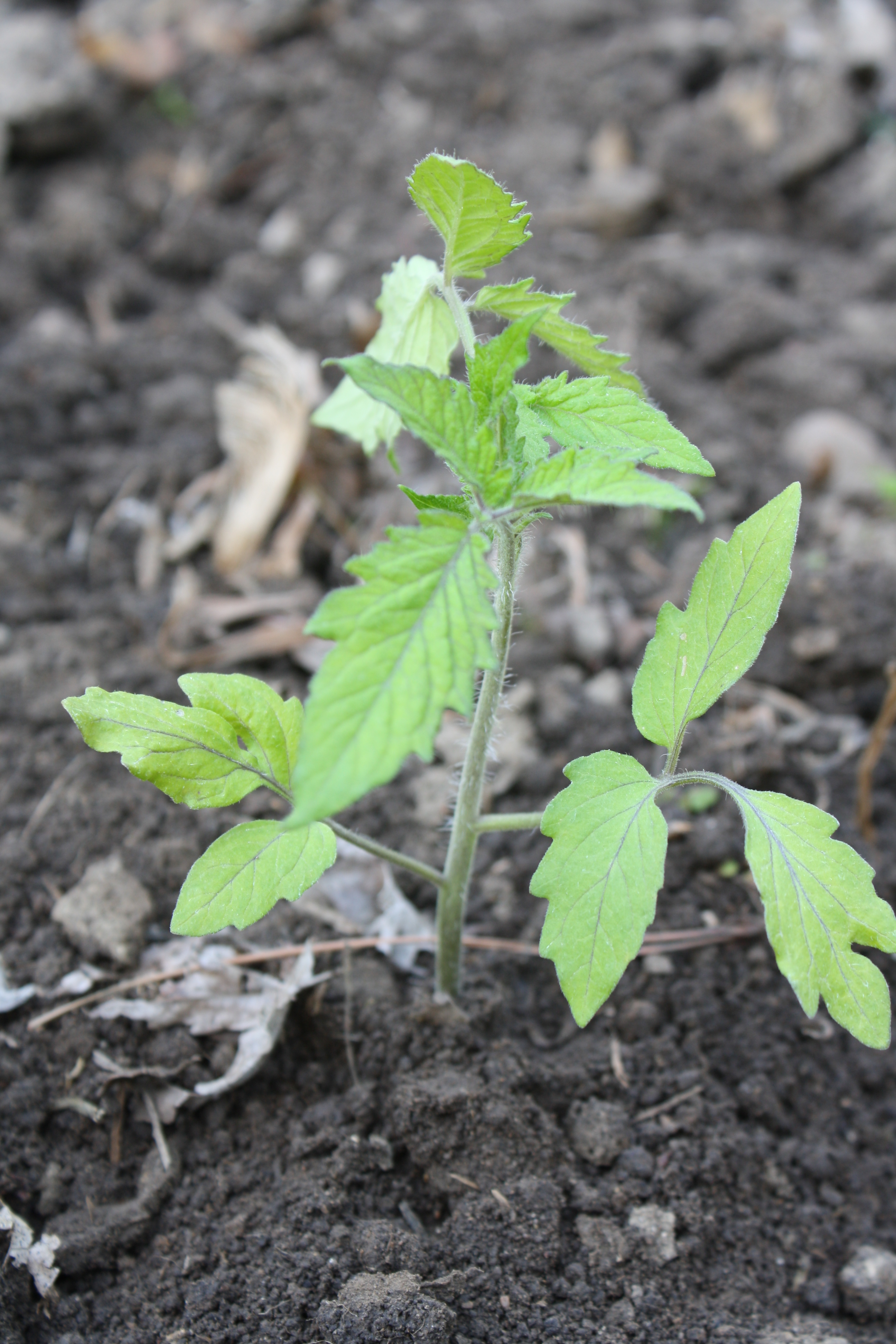
In our neck of the woods, Mother’s Day weekend marks our last frost date.  So now that momma’s day has come and gone, we have been “gettin’ out in it” and planting our tomatoes.

If you have been reading for awhile now, you may remember that back in February we had our family’s annual seed starting day.  Well, I’m sad to say that after three years of starting our tomato seeds inside, this year was a complete flop.  We are not sure of the cause:  old seeds (for the first time ever we used left over seed from the previous year instead of ordering new), bad light bulbs, not enough watering, too much watering or a little bit of each.  But whatever way you look at it, those tomato seeds never got beyond the tiniest sprout and then just kind of died.

After getting beyond the feelings of defeat, we went on to plan number two:  the farmer’s market.  I started chatting with a few different venders and found a woman whom I immediately knew I wanted to buy tomato plants from.  She genuinely cared about the plants that she had tended to since seed stage, and I knew with that much tender loving care I was bound to get some great tomatoes out of these plants.  From this kind woman I ended up with:

~18 Viva Italia plants (She claims they make the best tomato sauce and cans beautifully…yes please!)

~2 Juliet plants (These plants produce small, oblong tomatoes that are sweet in flavor and are perfect for garden snacking.)

I then ventured to another farmer’s market where I ran across our favorite local mushroom growers.  They told us that their tomato seeds they started indoors for their home garden didn’t grow past seedling stage either (I must say, this did make me feel a touch less like the worst green thumb on earth.)  They told me they were going to purchase some tomato plants from the vendor whose booth was neighboring theirs, so I too bought a few plants from them.  I ended up with an additional 6 Roma plants.

Finally, I went back to The Seed Savers Exchange, where we buy all of our seeds, and looked at their transplant options.  I ended up ordering a few of our favorite heirloom varieties from them:

~2 Green Zebra plants (A sight for the eyes as well as the taste buds!  Tart yet sweet in taste…delicious.)

~2 Mexician Midget plants (For more garden-side snacking)

~1 Amish Paste (A great paste tomato we had great success with last year.)

~1 Speckled Roman (Also a great paste tomato we loved in past years.)

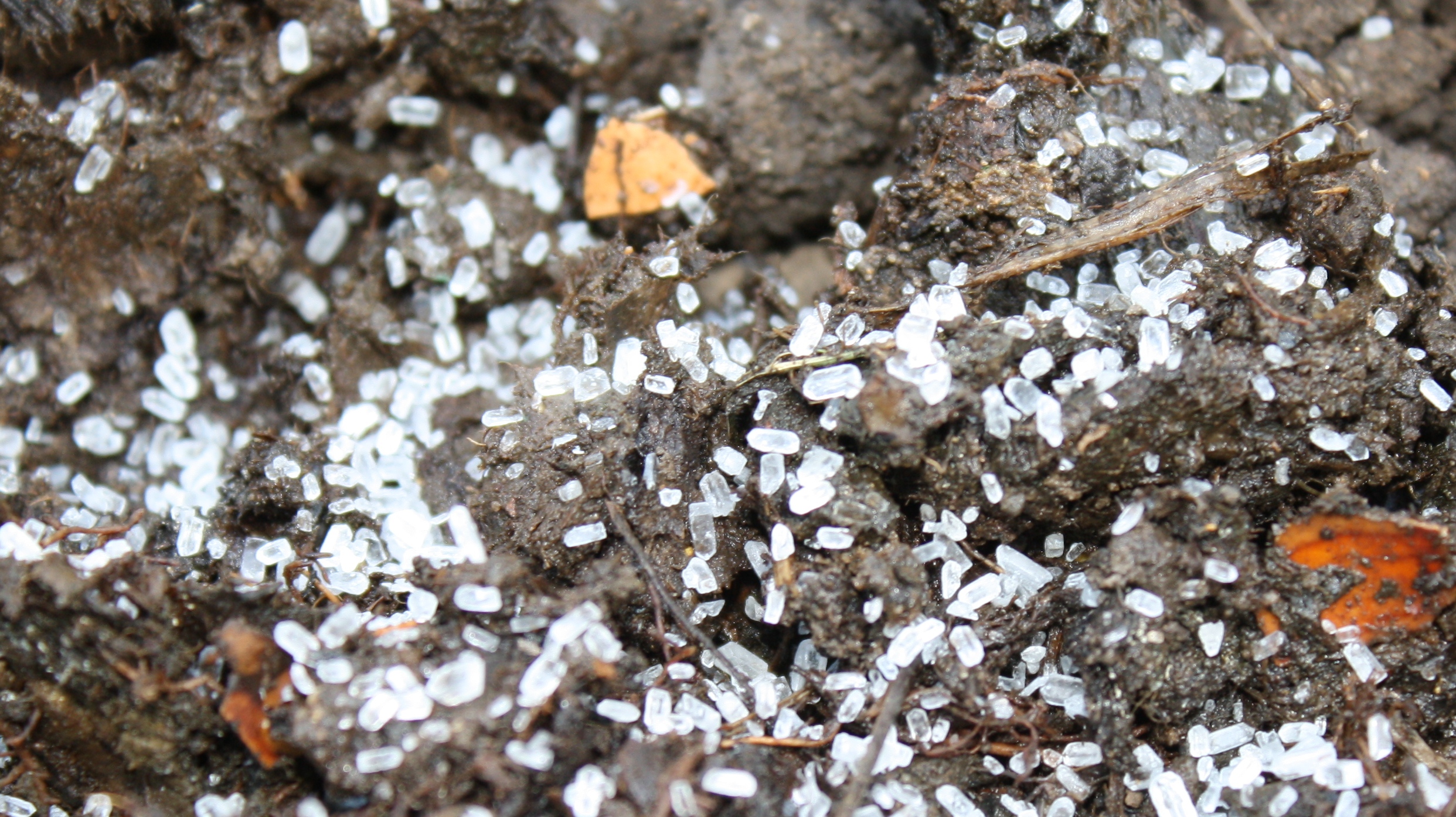
***A great natural gardening tip I obtained from the lovely woman I mentioned from the first farmer’s market:  When you plant your tomato transplant, put one tablespoon of epsom salt in the hole before you plant.  Then once a month, sprinkle one tablespoon of epsom salt around the base of the plant and water.  She said she has been doing this for years, and the epsom salt acts as a natural fertilizer for the plant.

I tried it out.  I dug my hole, put down a thin layer of compost, then added the one tablespoon of epsom salt.  I then planted the tomato plant as I normally would.

We shall see.

Wowie Wow Wow!

These are the words my five year old daughter uttered when she woke up Wednesday morning and realized that the day had finally arrived…the day of the first farmer’s market of 2012!

Even though the weather threatened storms, it held off long enough for us to make an appearance.  It was truly wonderful to reconnect with those farming families we hadn’t seen since the end of October.  We had a chance to chat, catch up with one another, and discuss this year’s harvest.  This is why I love going to the market.  There are true relationships formed when you interact directly with the person who grows your food. We grow a large majority of our own food, but we still attend the market each week to interact with others in our community. To feel a part of something real.

We left the market with a tote full of rhubarb (we cannot harvest ours until next year), local honey and some delicious brick oven pizza.  Who could ask for a better morning? 🙂