Drought

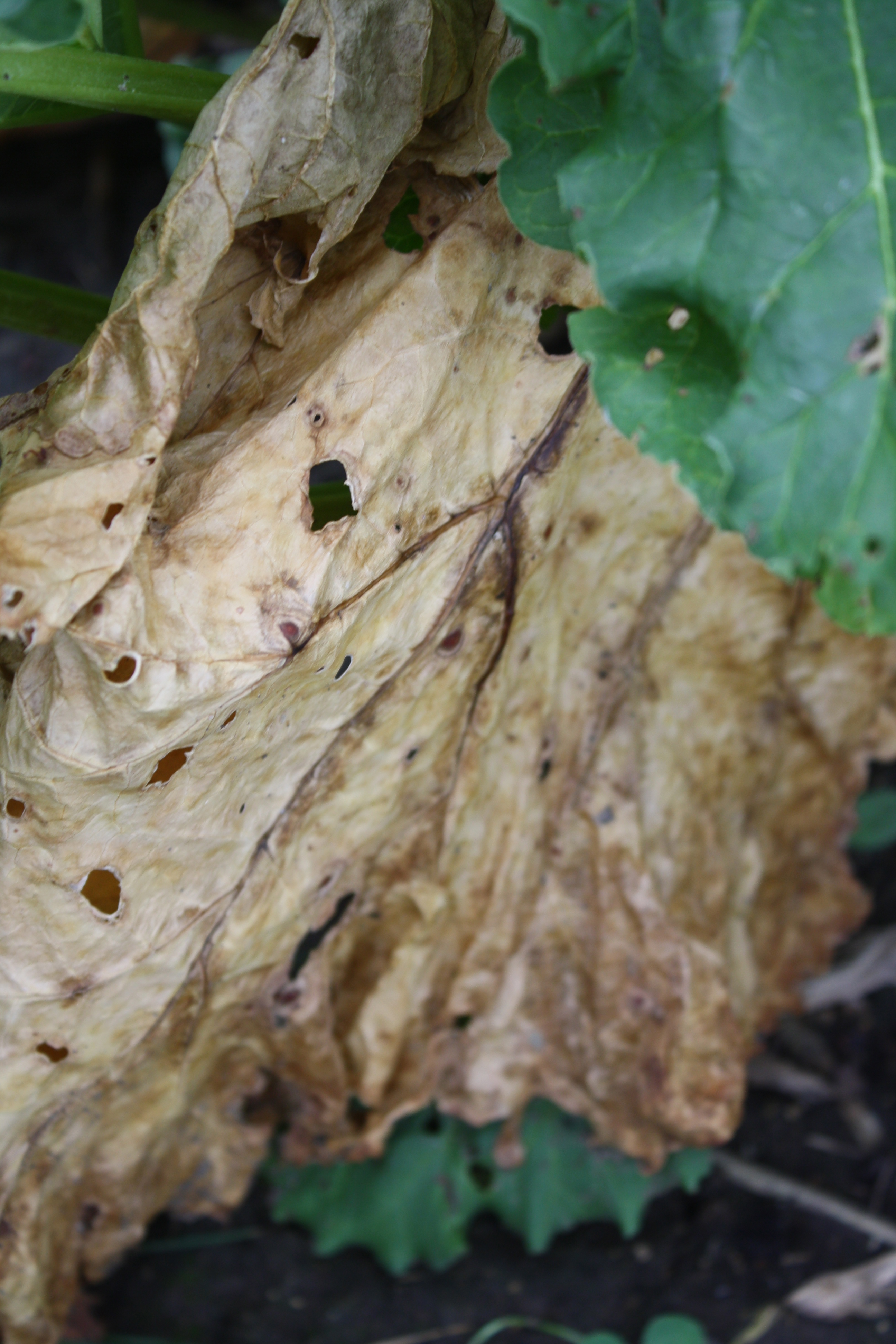
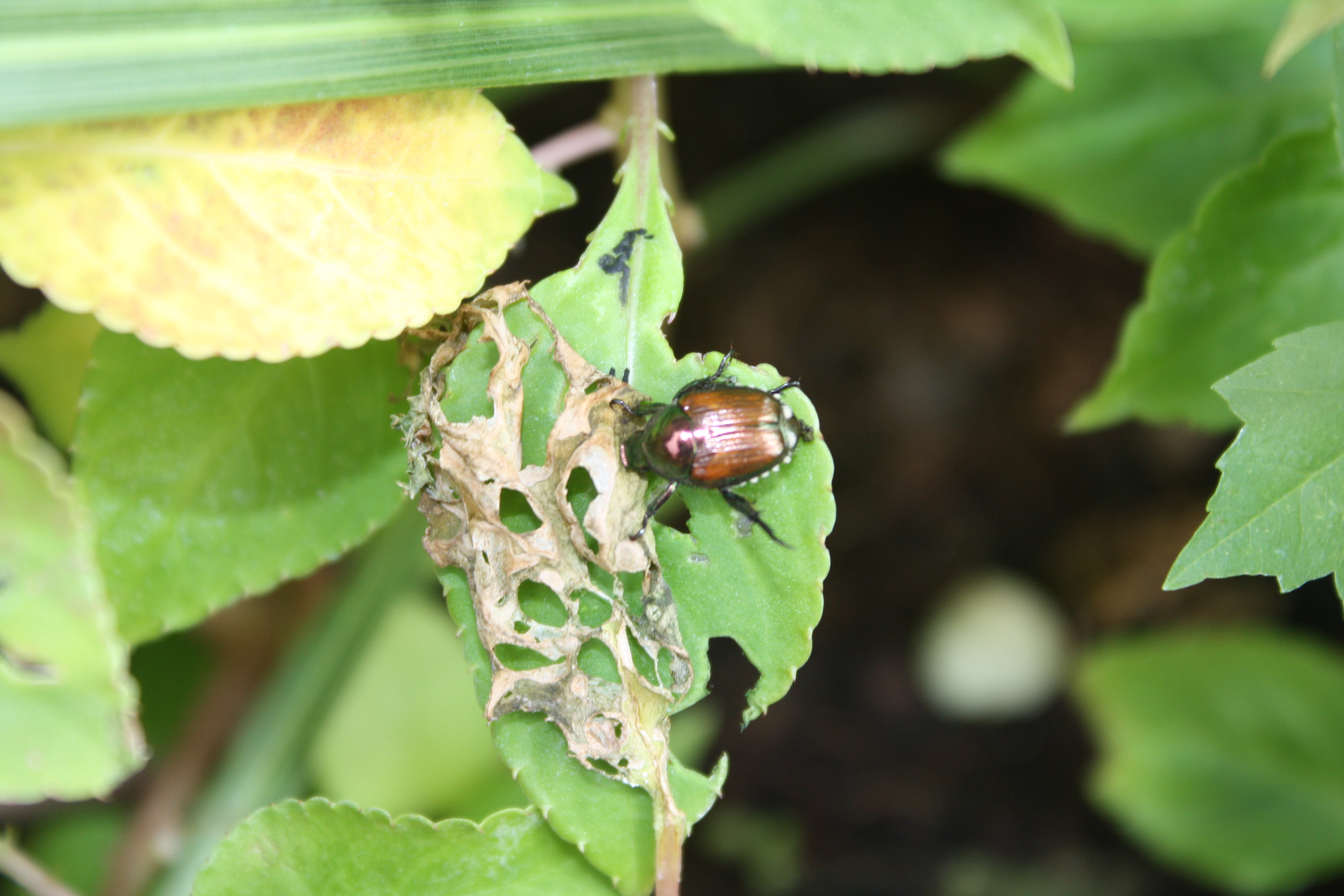
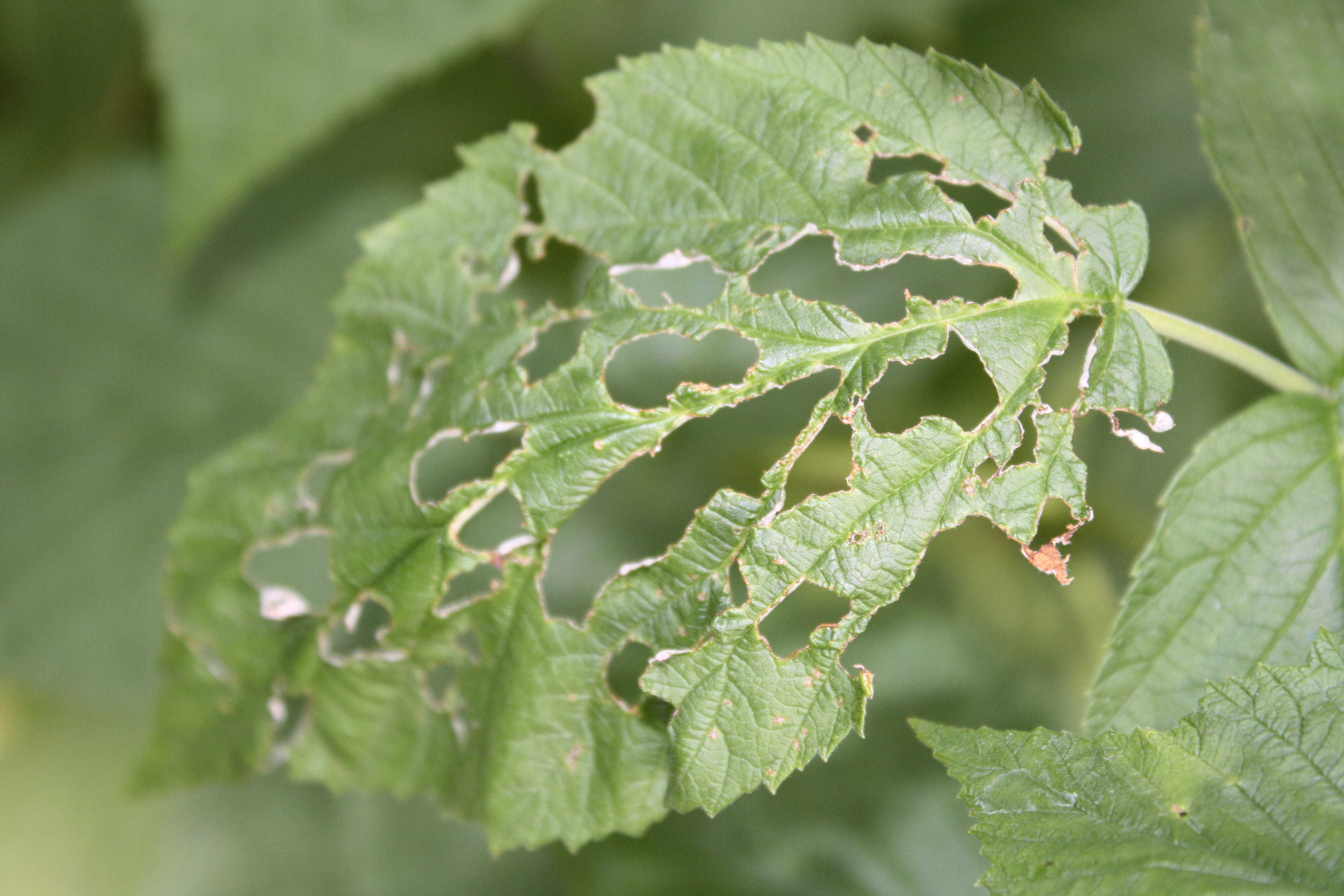
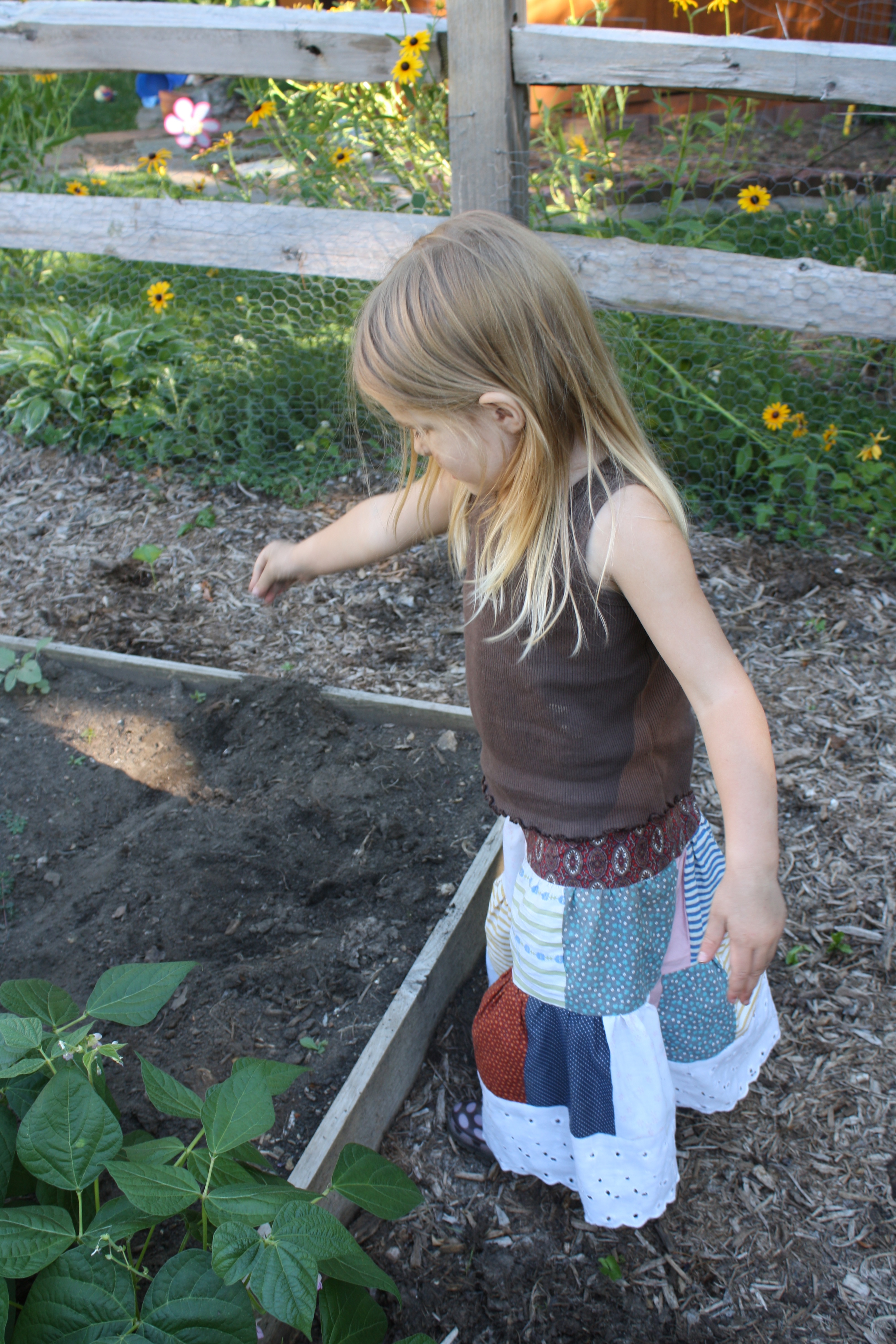
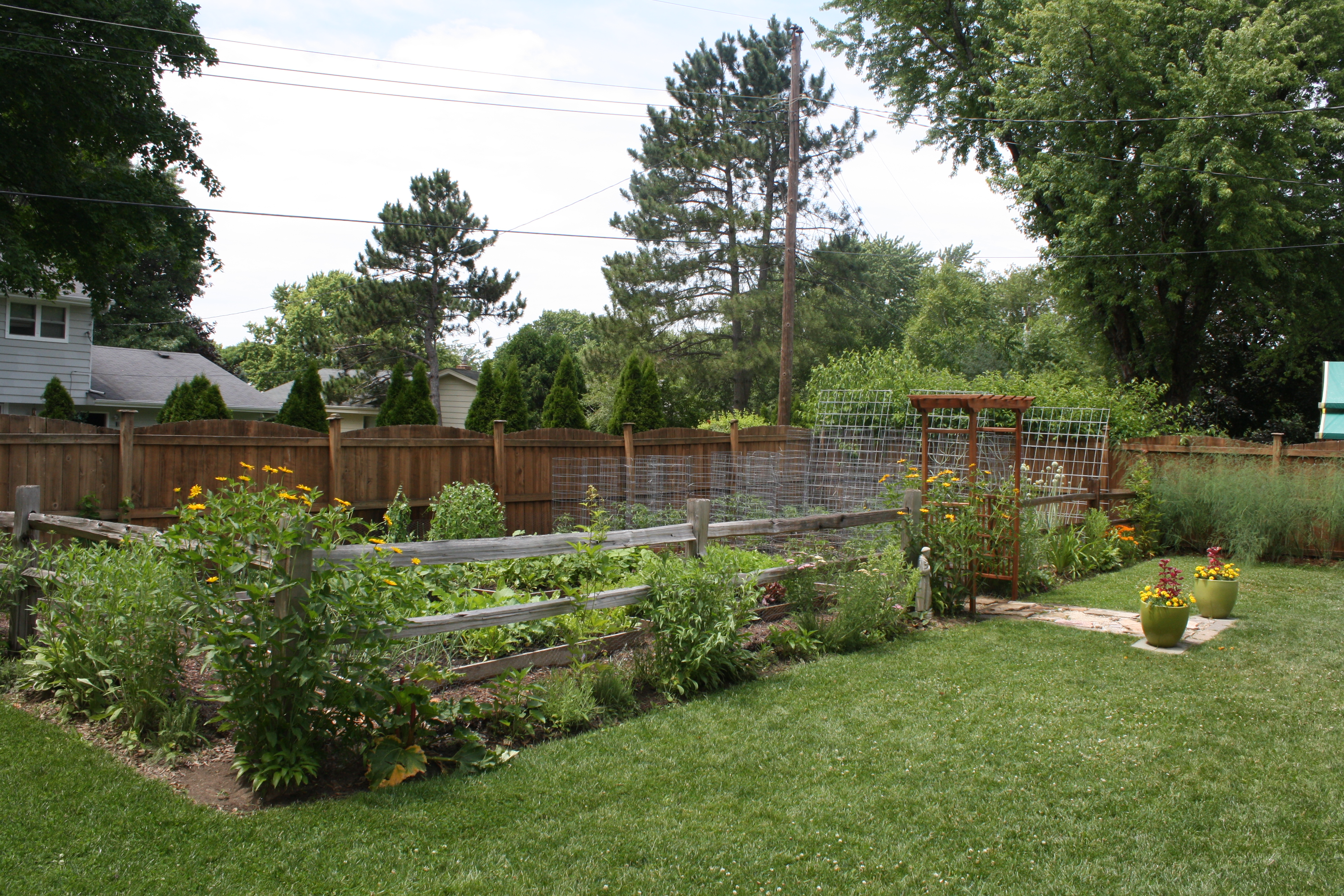
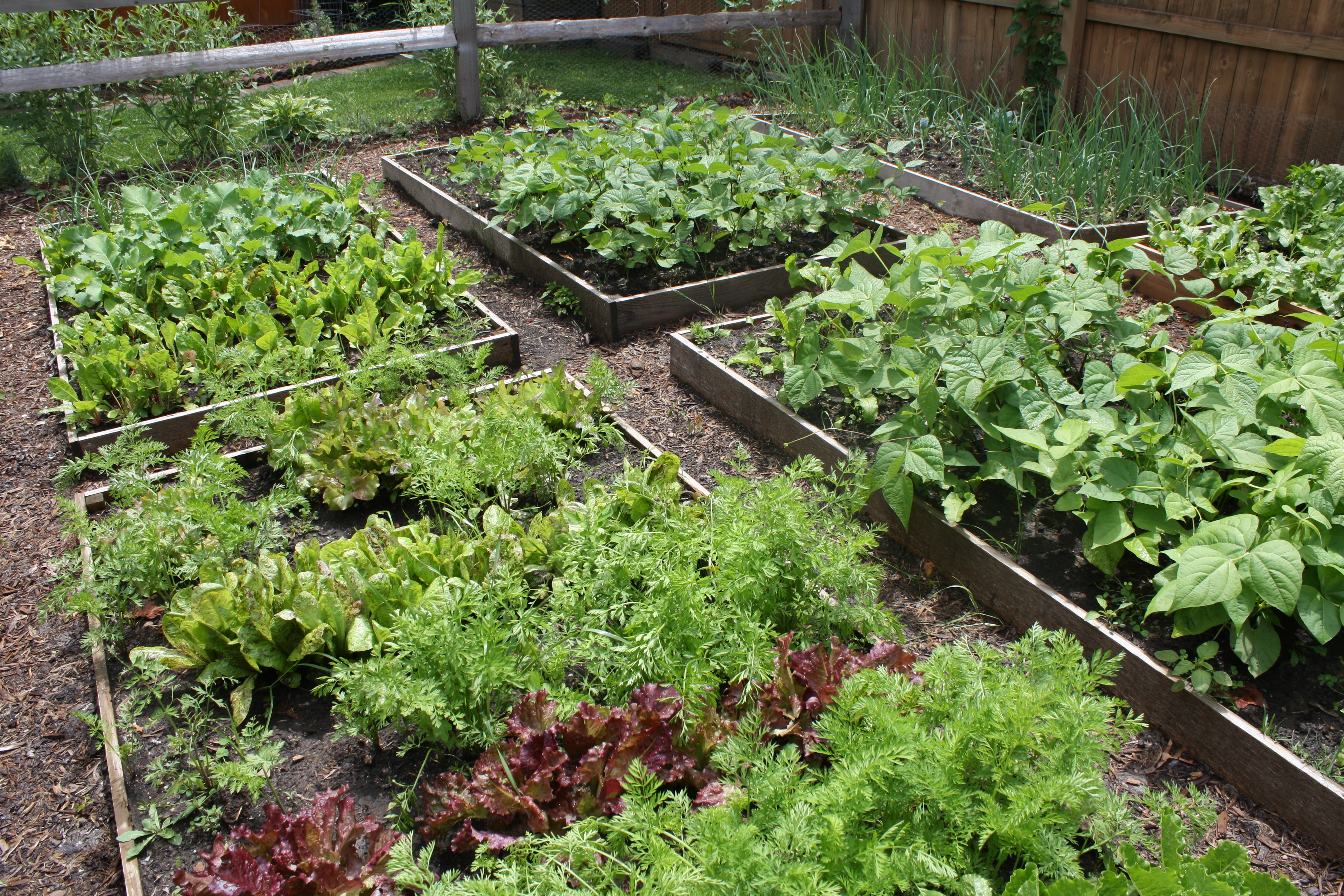
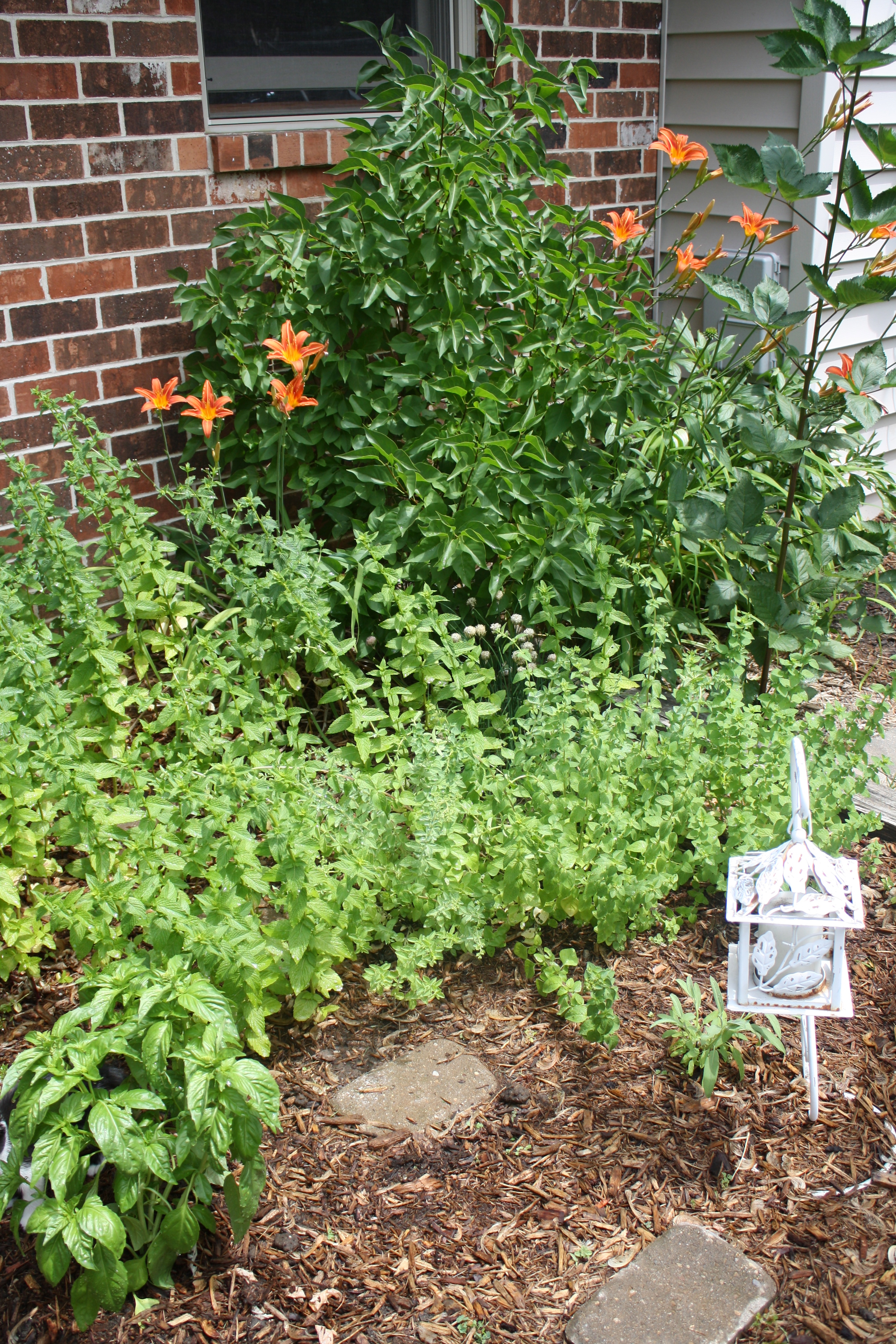
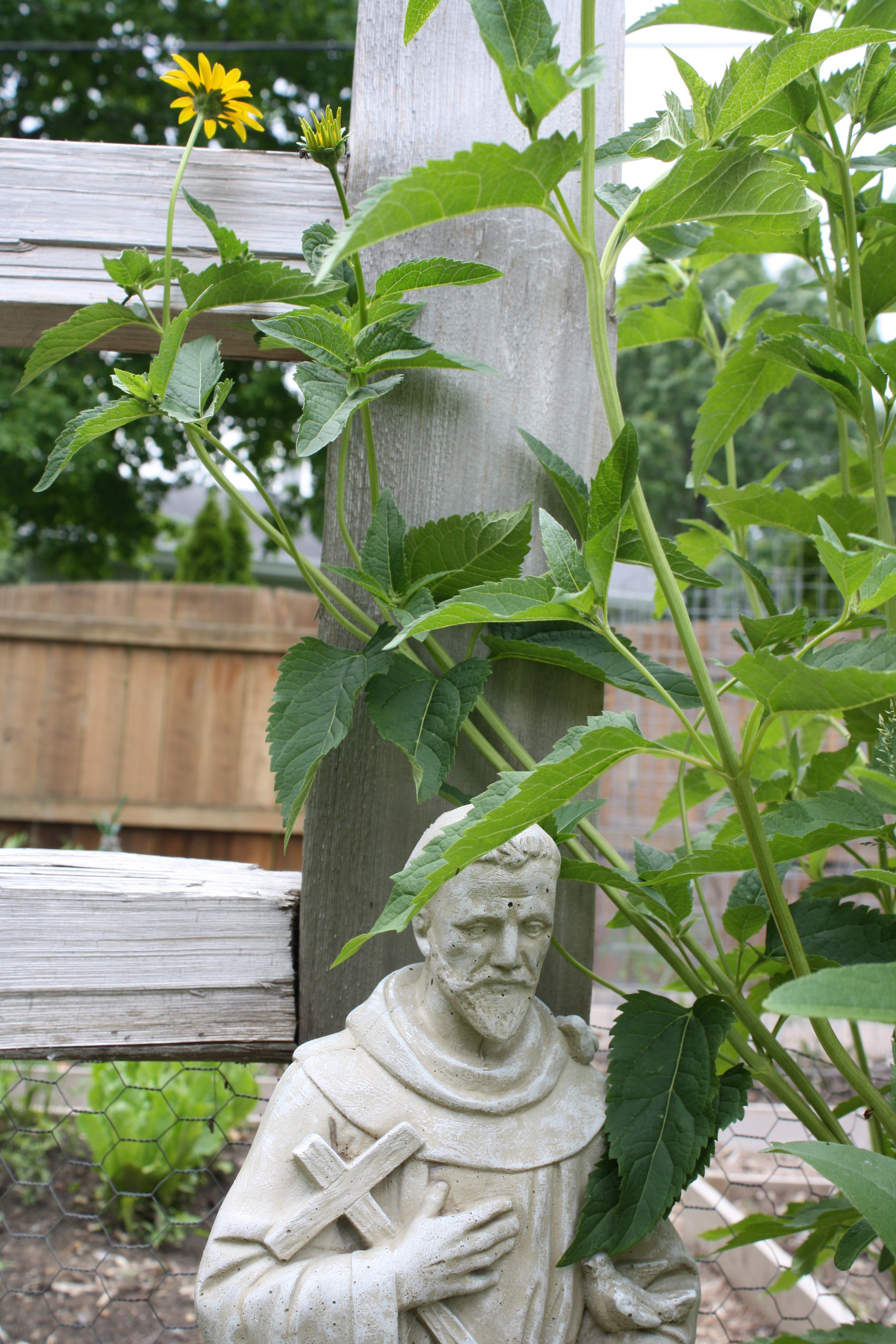
Despite the best watering efforts of my sister while we were away last week, we came home to a garden completely ill equipped to deal with a week of temperatures exceeding 100 degrees.  These extreme temperatures withered our plants and brought out a volume of insects that I have never before experienced.

These conditions are reminders of just how fragile life is, that without rainfall, nothing can survive.  I try to push these ideas from my mind as I quietly tend to my plants, watering them from the city water that we are blessed to have at our disposal during the worst drought this area has faced since 1988.  But as the days pass, clouds loom overhead, but not a drop of rain falls, and these thoughts become more and more difficult to cast aside.

I pray for an end to this dryness, and for the heavens to open up and give the earth some much needed nourishment.

If you have a suggestion for Japanese beetle removal, I would greatly appreciate it!  Feel free to leave a comment on this post for all to see.  I have the traps set up along the far perimeter of our property, but the sheer number of these insects is staggering.

Putting Food By: Pickled Beets


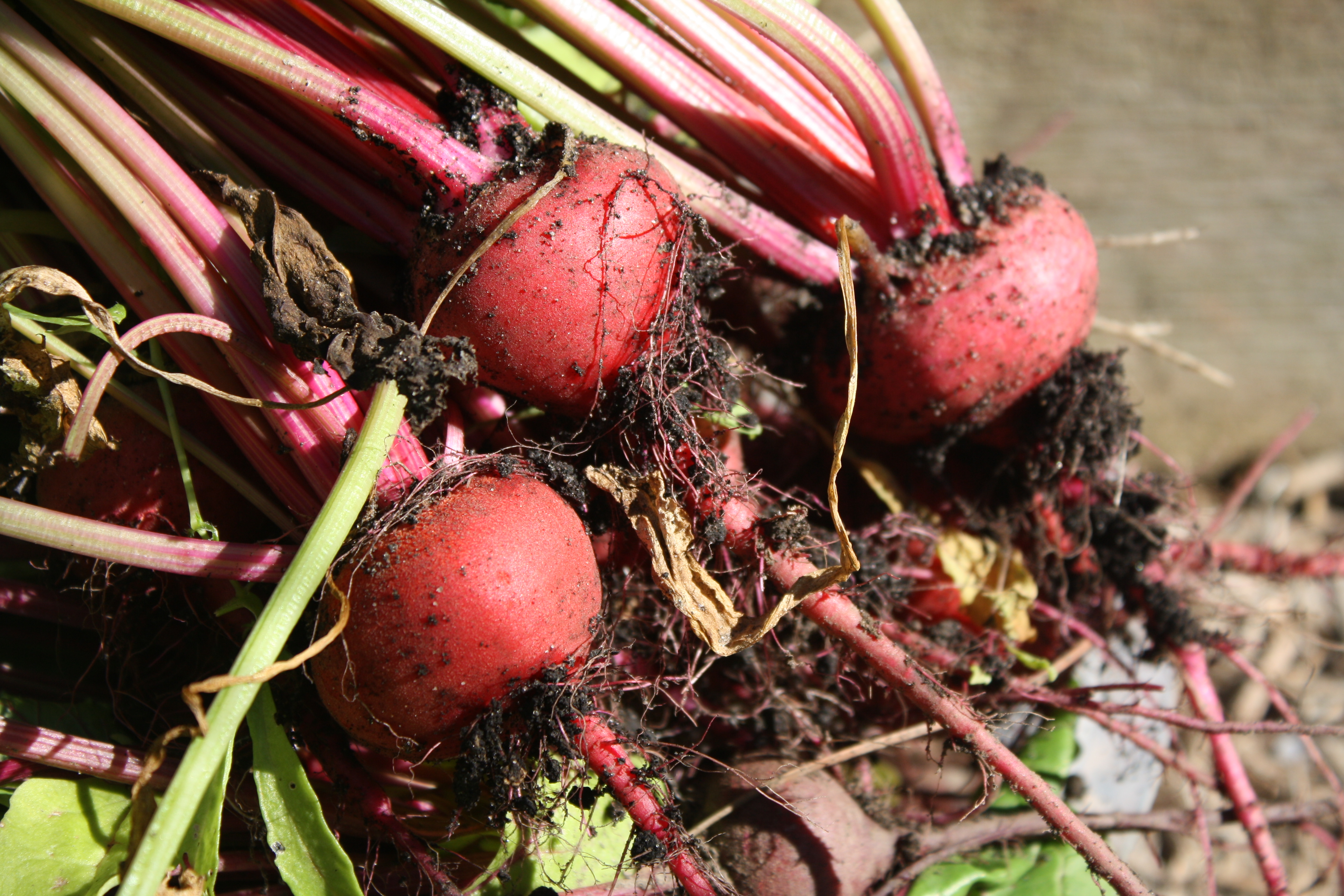
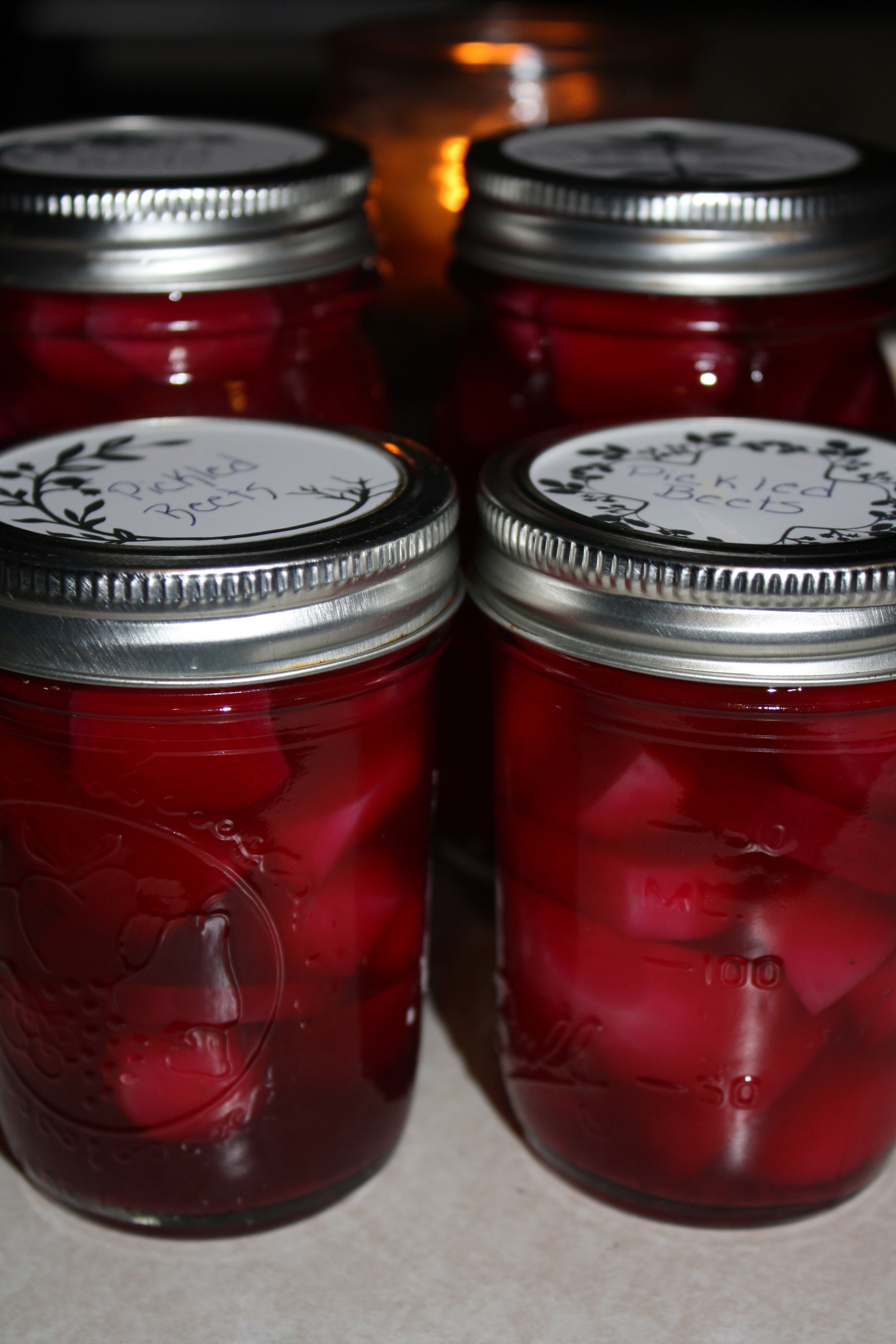
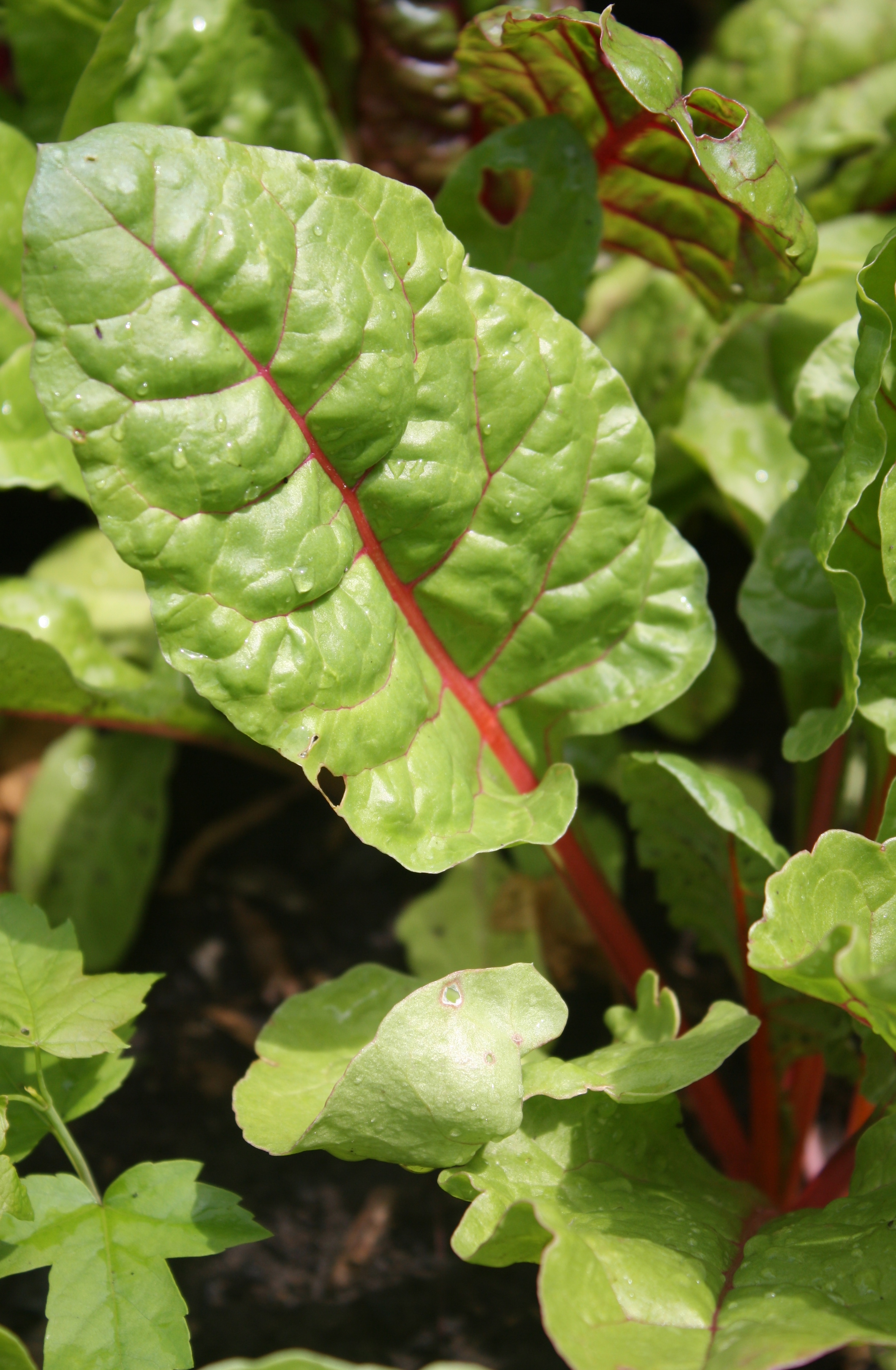
Despite the extreme heat we have had the past several days, our beets seem to be absolutely thriving.  In fact, they seem to be the only thing in our garden these days that are not being absolutely devoured by Japanese beetles.  Ug.

But enough of the negative and on to the positive…these beets.  Yum.  We pulled up our first round of beets this week and we were thrilled to find they had filled out nicely beneath the thick layer of soil.  My favorite way to eat beets is to pickle them, so I used a very easy pickling recipe from Putting Food By (listed below with a link), and before I knew it we had jars full of tart and scrumptious pickled beets.


***

Some of our favorite home preservation books are:

Putting Food By by Janet Greene, Ruth Hertzberg and Beatrice Vaughan

Animal, Vegetable, Miracle by Barbara Kingsolver (There are some great canning recipes scattered throughout the piece.)

The Big Book of Preserving the Harvest by Carol W. Costenbader

Fresh

Each morning I make a lovely cup of piping hot coffee and stand at my kitchen window overlooking my garden.  Even in the dead of winter, when the garden is buried beneath layer upon layer of snow, I do this.  It allows me to view one area of the earth, each day, and observe all of the changes that take place and often go unnoticed.

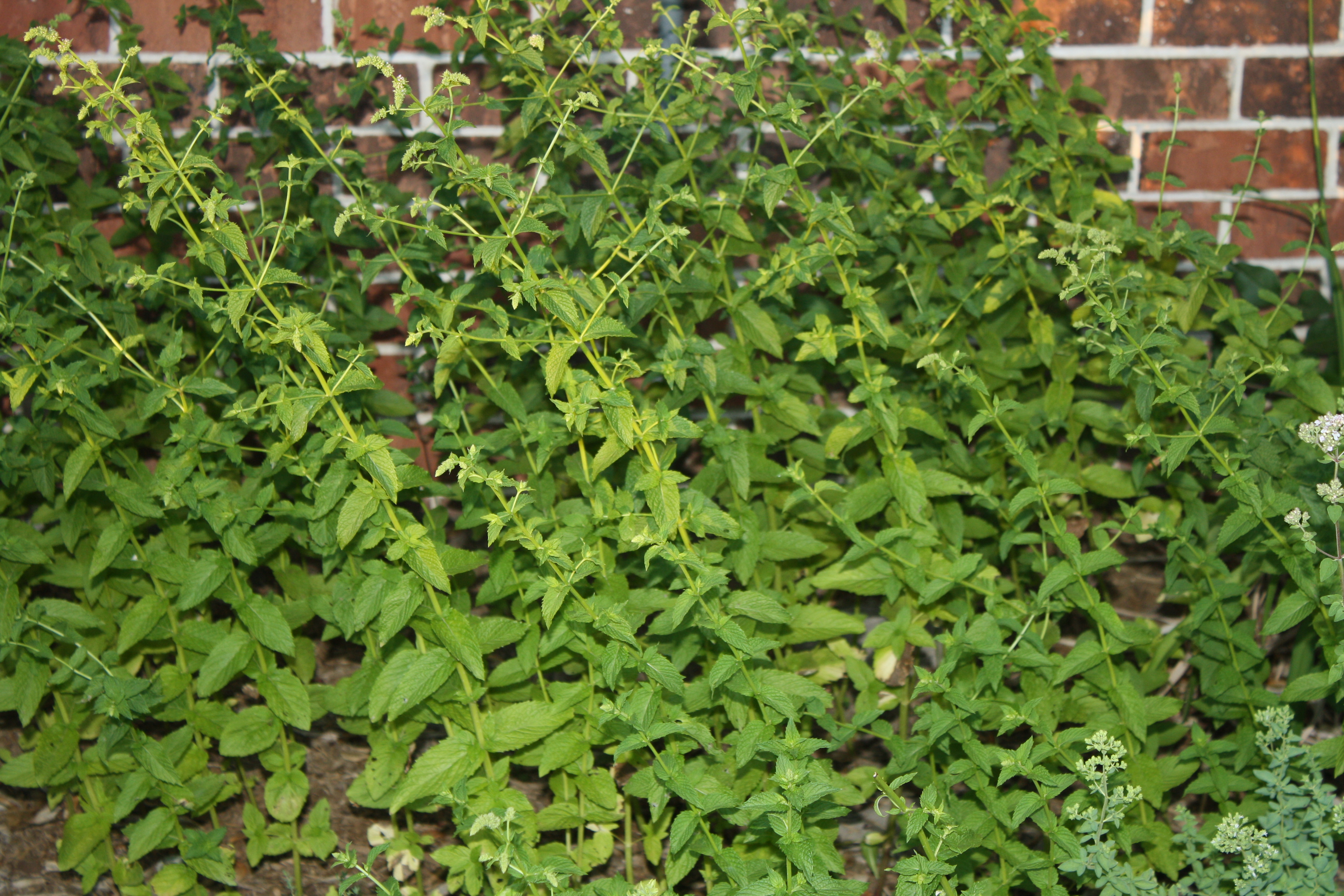
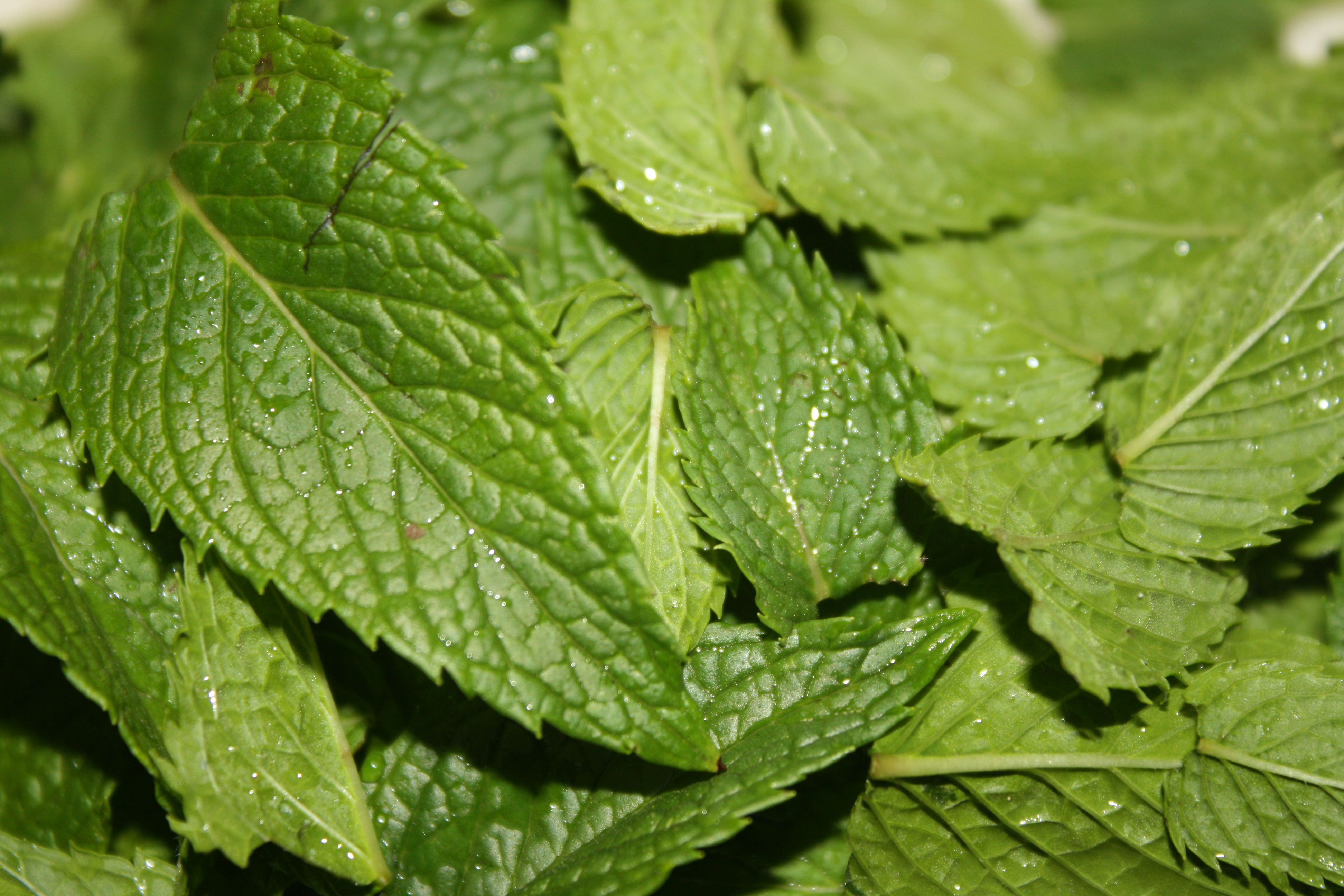
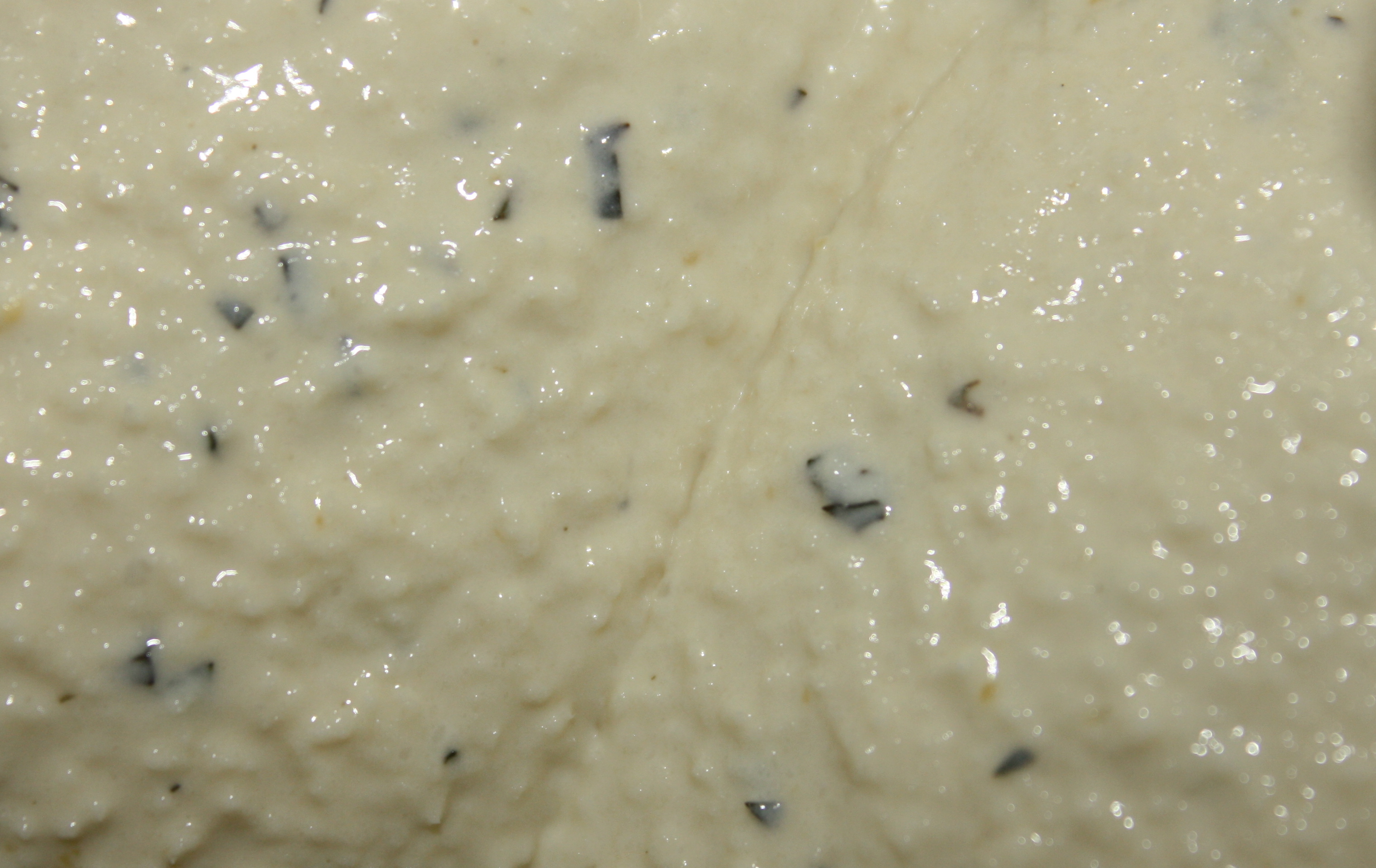
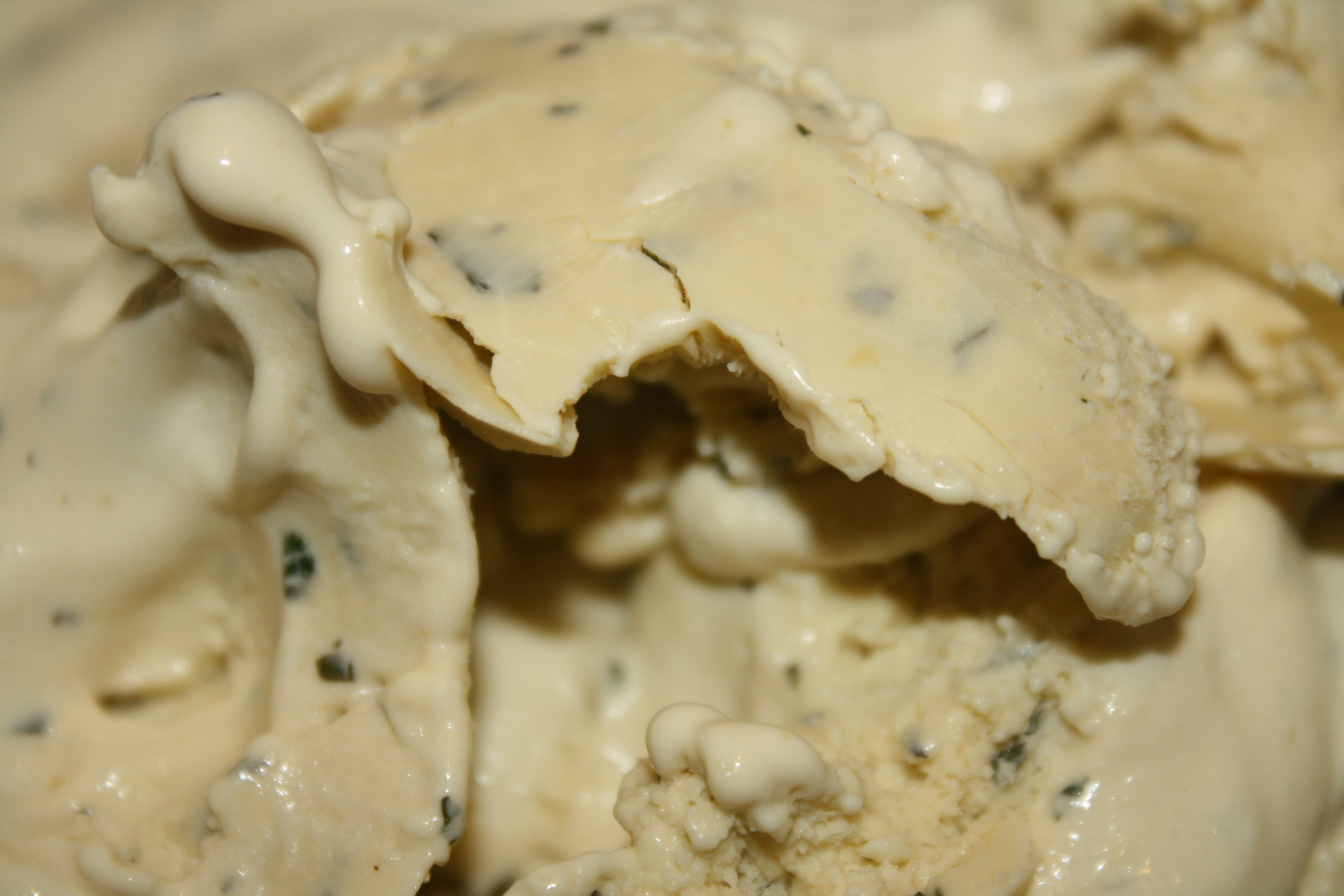
Yesterday, as I was conducting this every day task, I noticed that the mint in my herb garden had reached an all-time-out-of-control-I’m-goiing-to-take-over-everything state.  I now had more mint than any human could ever even dream of consuming.  I twiddled my thumbs for a bit, trying to think of what in the world to do with even a small bit of this mint.  Then it came to me.  On our trip to Champaign this past weekend I indulged in this exquisite homemade, flourless cake that was served with fresh mint ice cream.  Yummy.  So, that was it…fresh mint ice cream!

I used my normal ice cream recipe, but this time I added fresh, finely chopped mint at the stage when I add the vanilla.  I covered the pan with a ceramic plate and allowed the mint to steep in the mixture until completely cool.  This allowed the lovely, fresh flavor of the mint to infuse into the ice cream.

Enjoy!

Berry Pickin’

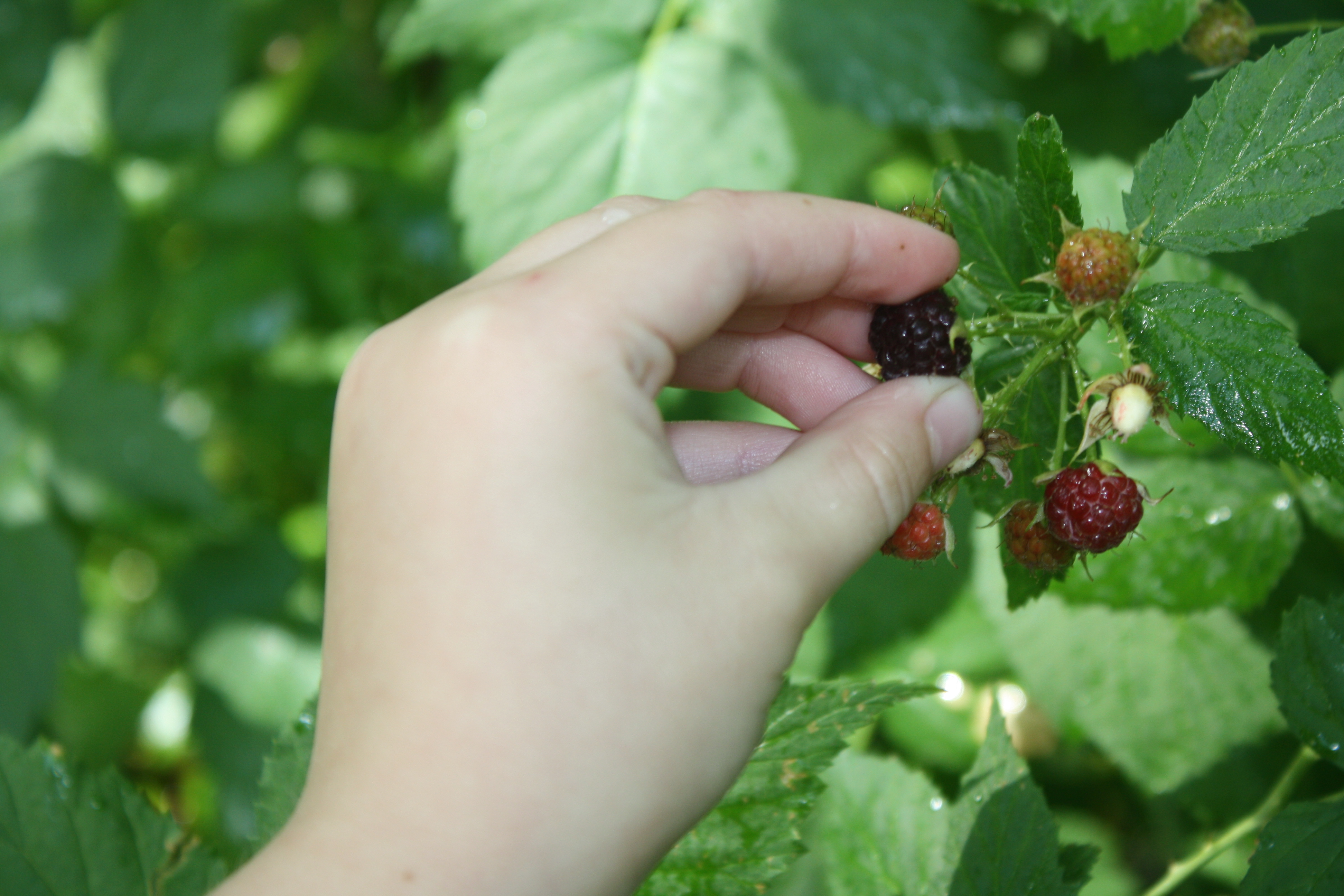
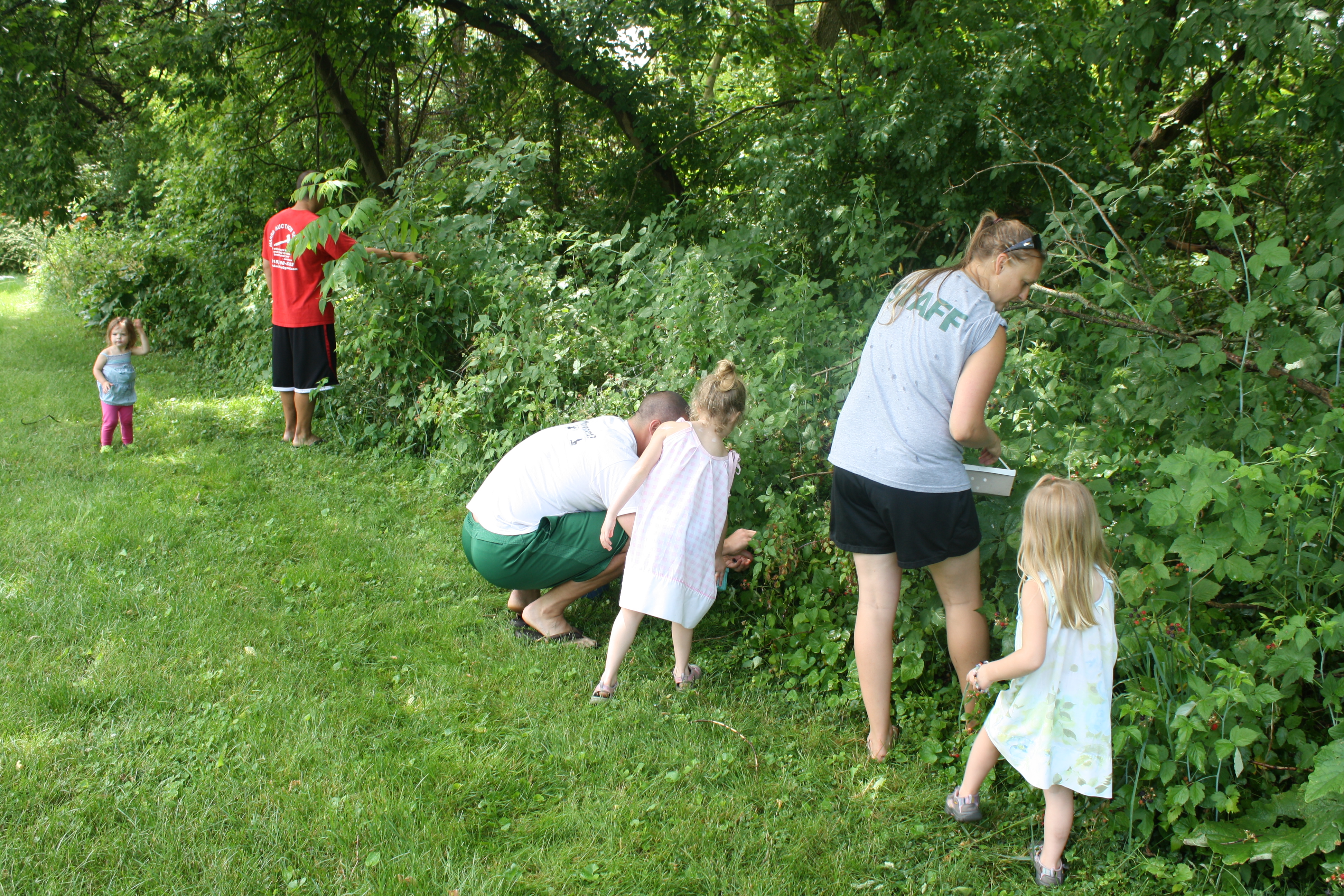
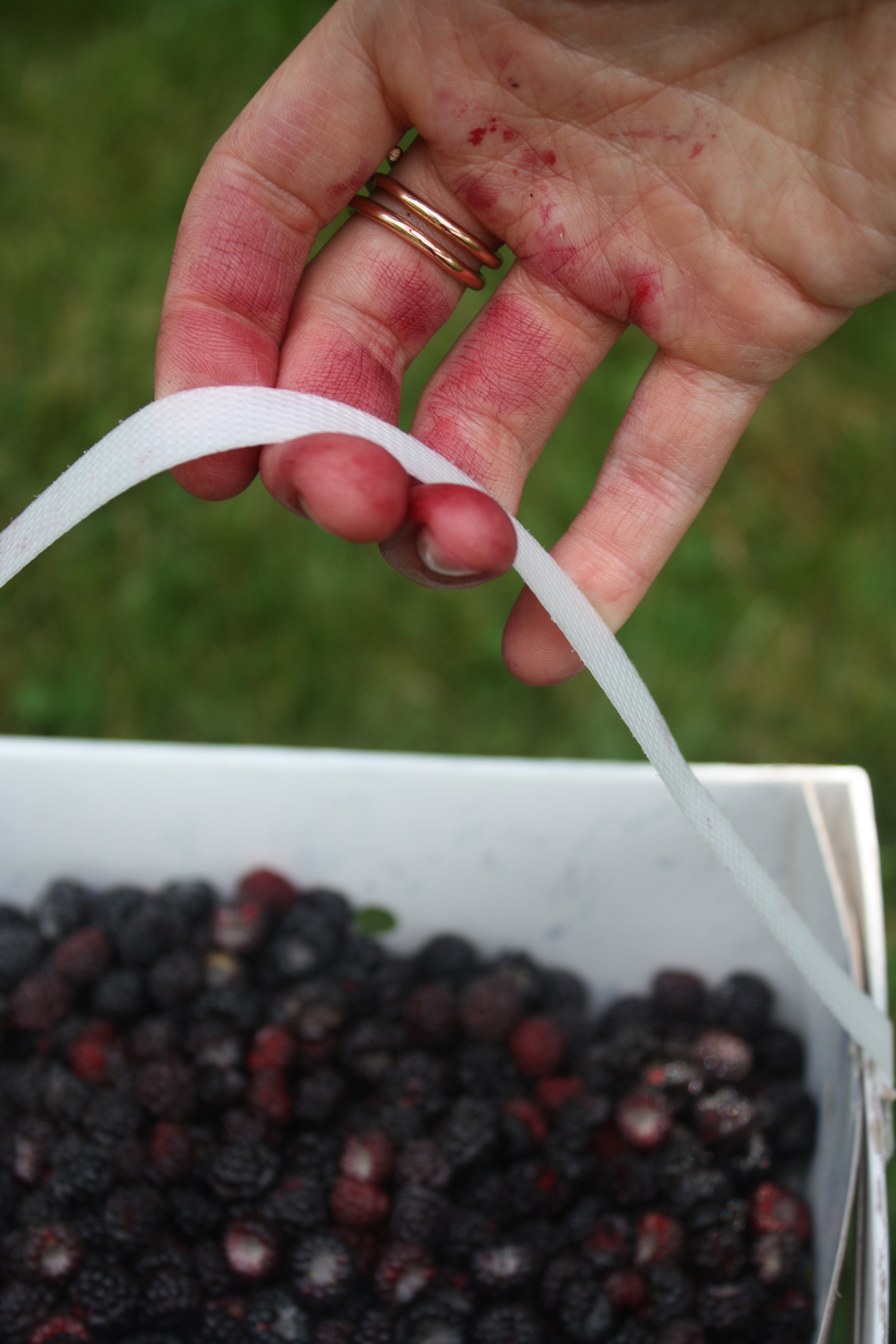
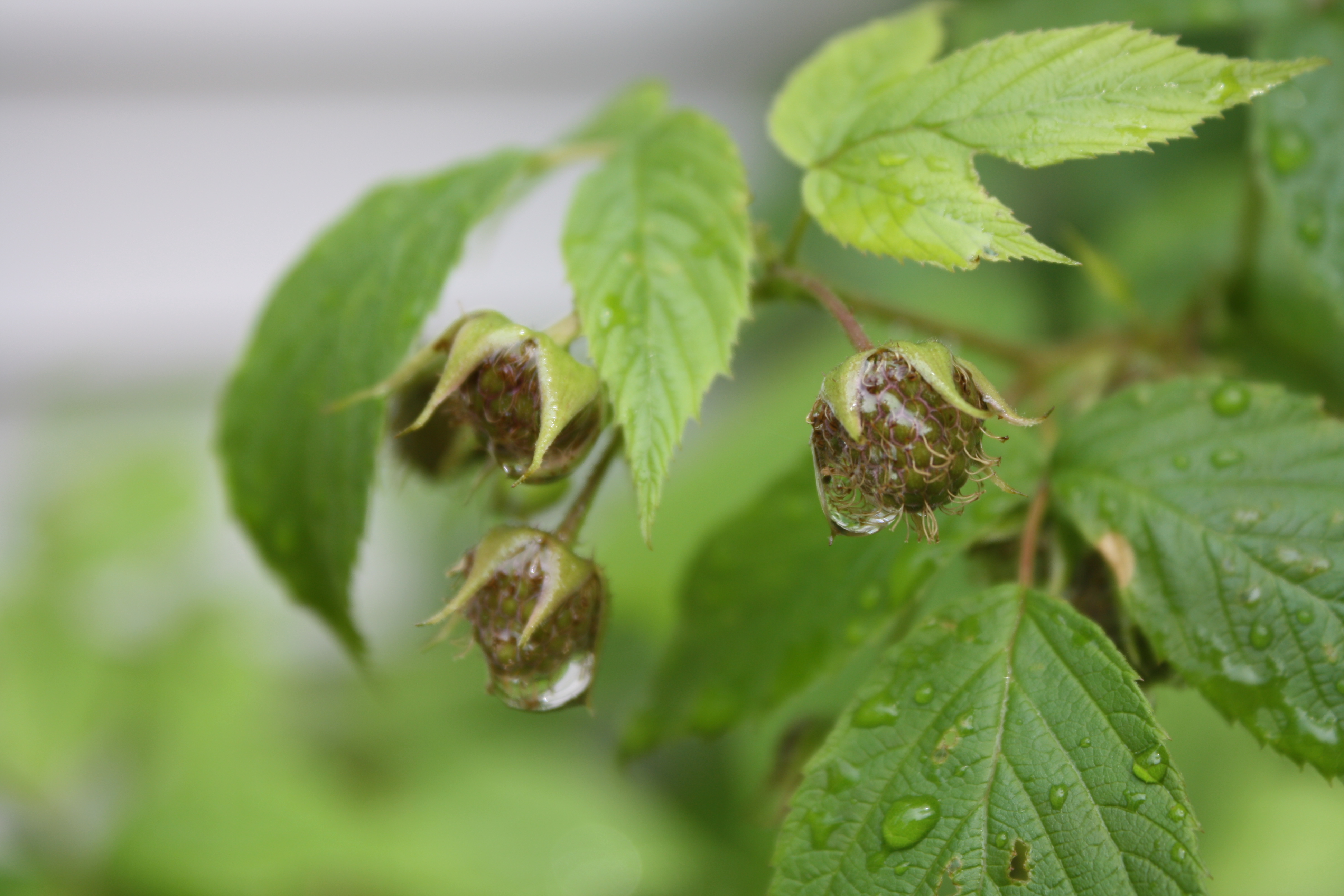
This past weekend the whole Fagan crew was out in full force, making our way through the wild black raspberry brambles.  There was picking’, snacking’ and laughin’ going on all afternoon.  It was perfect.

The little ones really got into the entire process this year and picked for quite a while before they retired to the cool pool that awaited them just a hop, skip and a jump away.  So while the little ones swam with Grandma, the rest of us slowly made our way up the property line, continuously amazed by what the earth was providing for us.  These brambles were not planted here, but rather sprung up from the earth as a form of nourishment to those animals and people in the vicinity.

The day was of course an absolute blast, but I found myself often pausing to think of all that the earth continues to provide for us.  It is a true miracle that so often times is overlooked because of our fast paced lives and our constant desire for more.  This day gave me a chance to just sit back and marvel, to not be overcome with the craziness of our world, and just enjoy some good ole berry picking’ 🙂

A Little Something Homemade

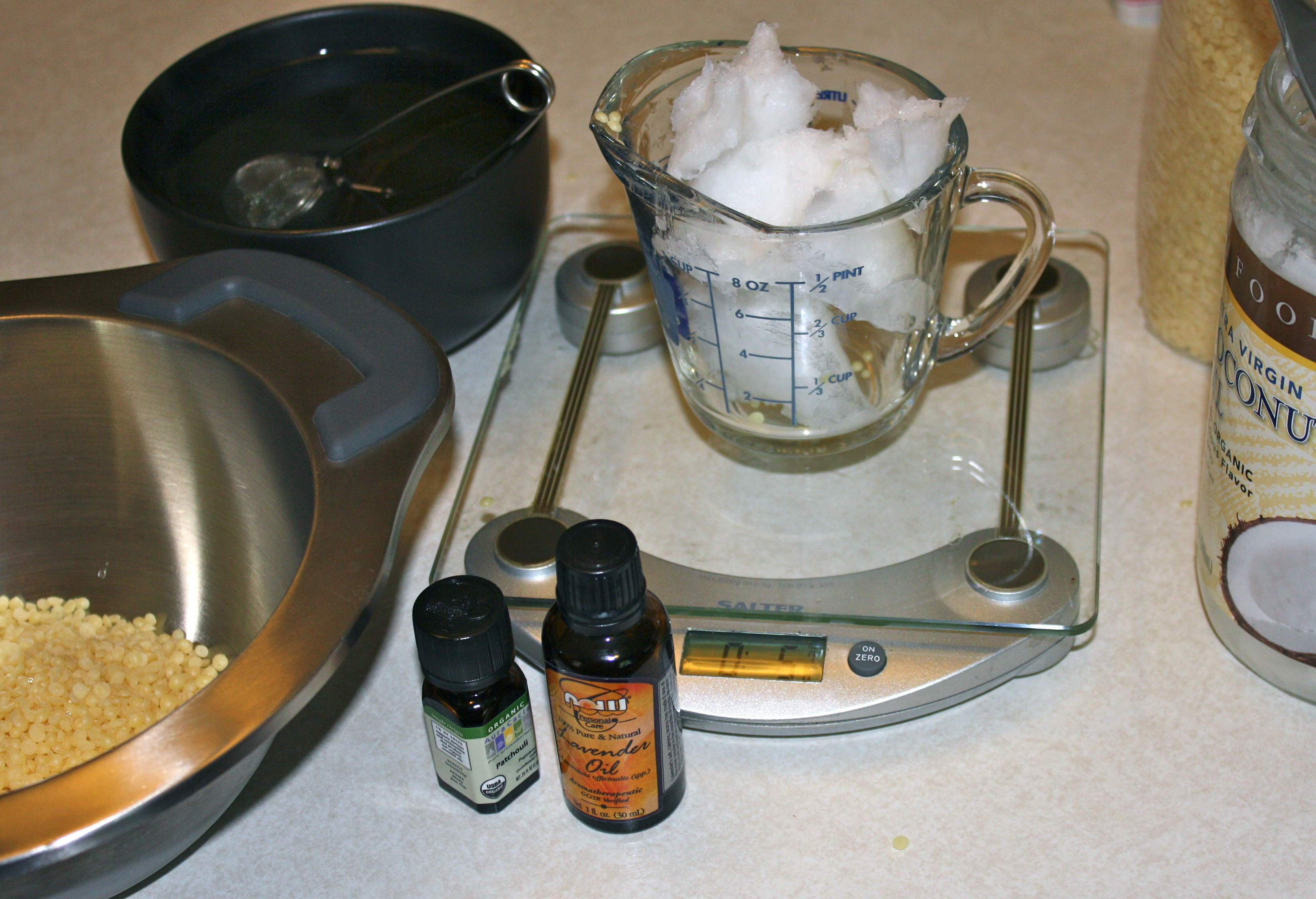
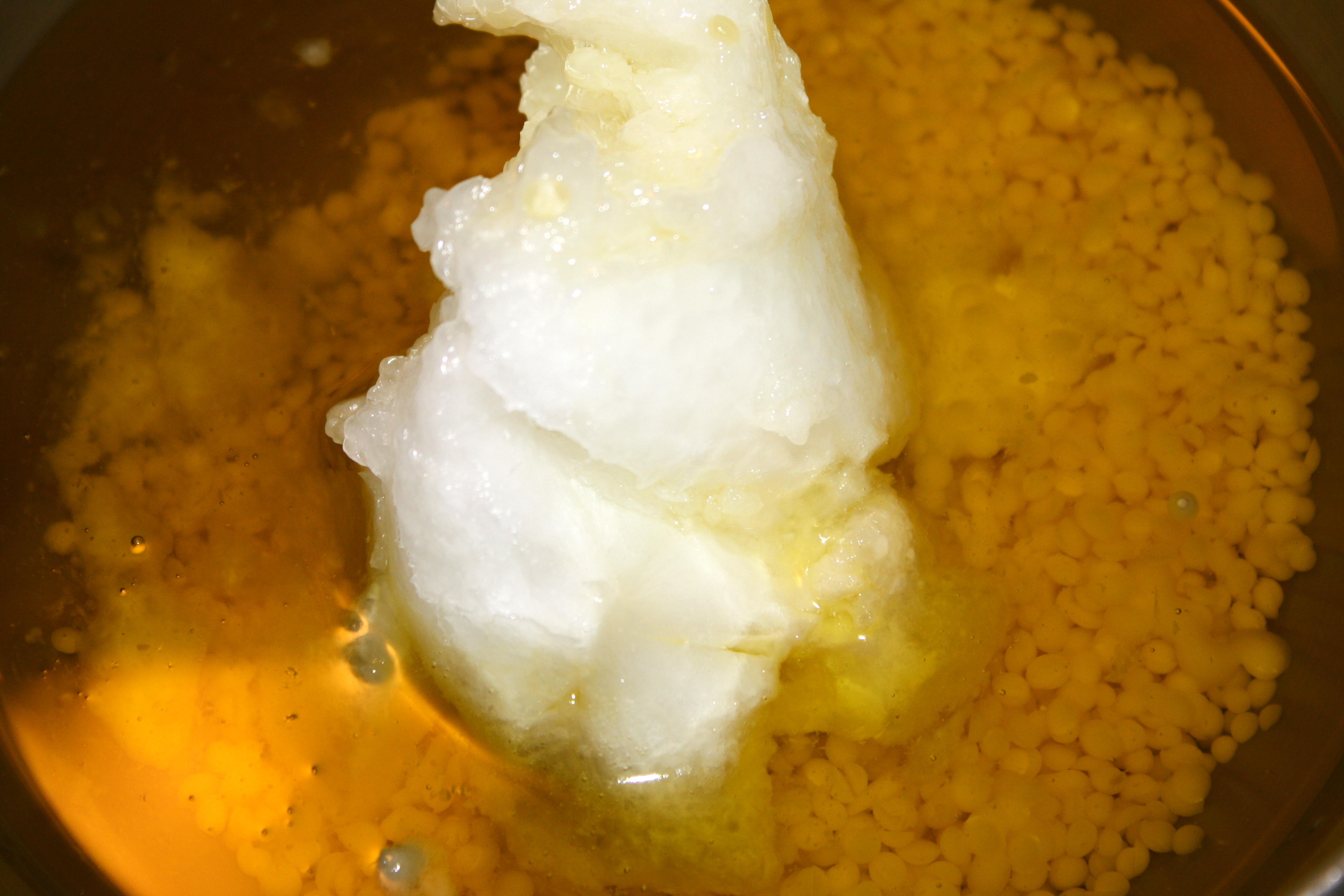
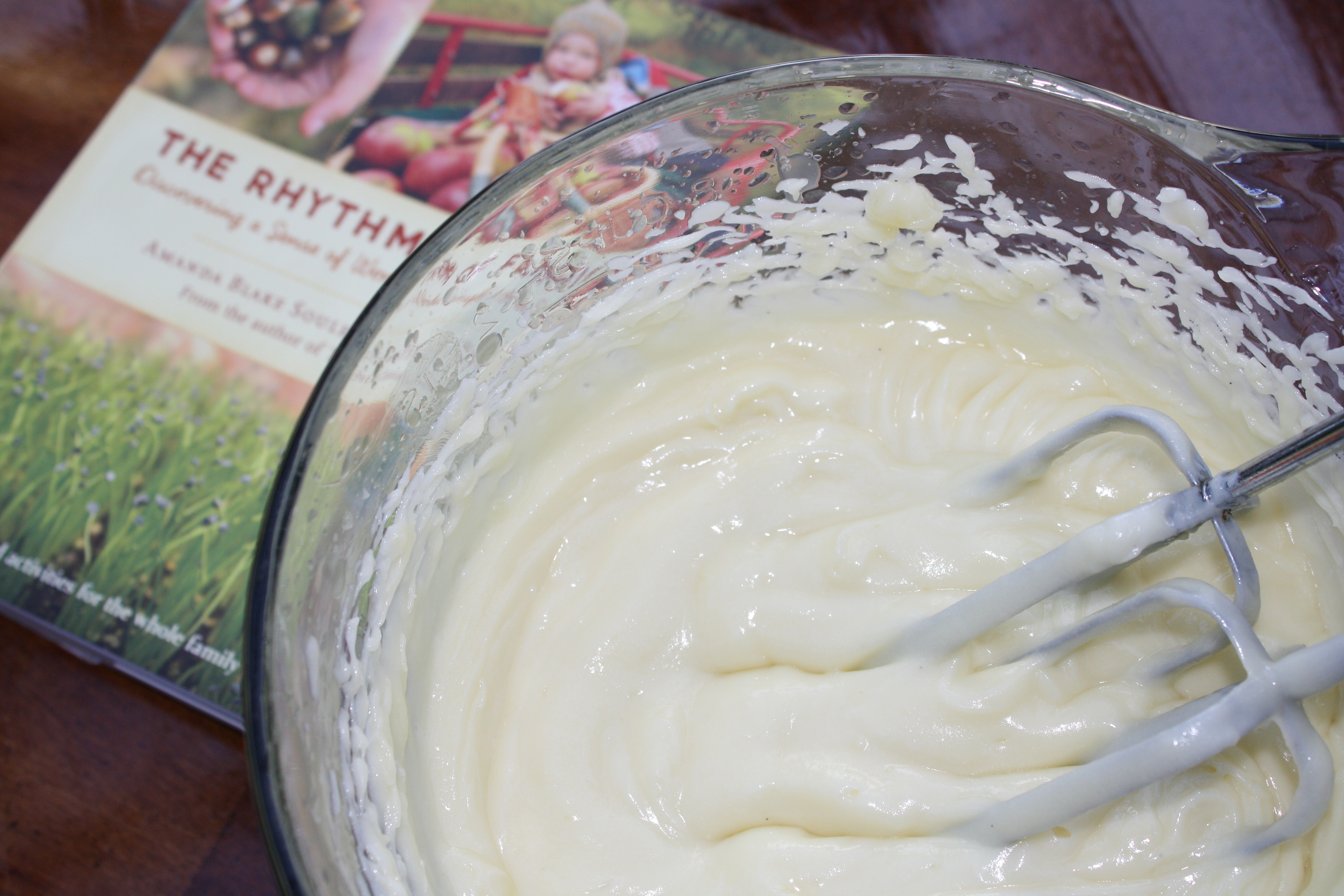
Now that summer is upon us, it seems that the sun is just soaking up all of that lovely moisture in our skin.  I recently found a great recipe for homemade lotion that contains only five ingredients, and they are all readily available.  The best part about this lotion is that you can incorporate various flowers and herbs that you have growing right in your backyard.

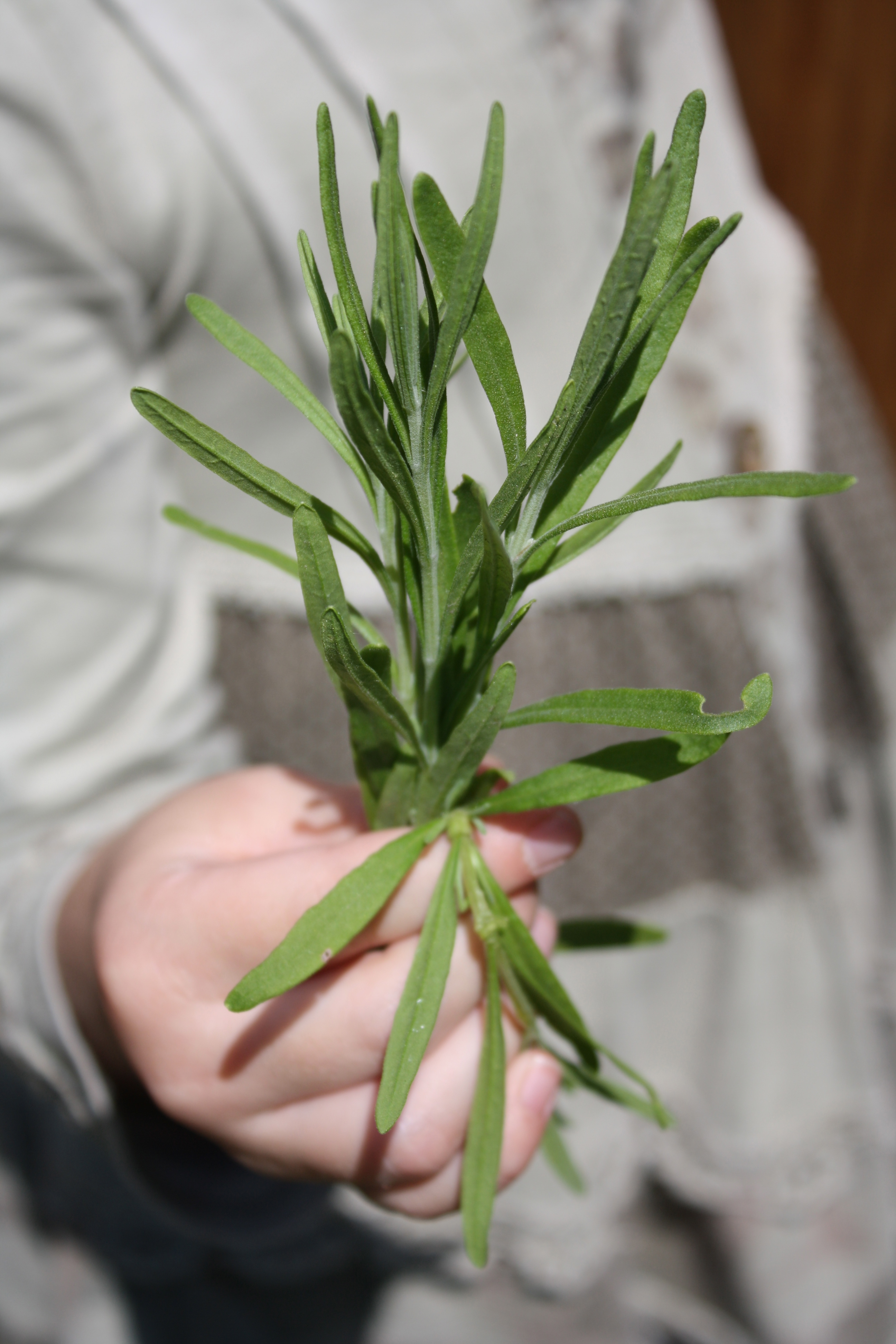
The recipe can be found in this book and it is so easy to make that the girls and I were able to whip it up in no time yesterday.  The scent we tried this time is lavender vanilla patchouli, and we are really happy with the result.  We have also made lavender and lavender rosemary and all have turned out great!  (Can you tell we have a lot of lavender in our garden? 🙂 )

Putting Food By: Rhubarb and Strawberries

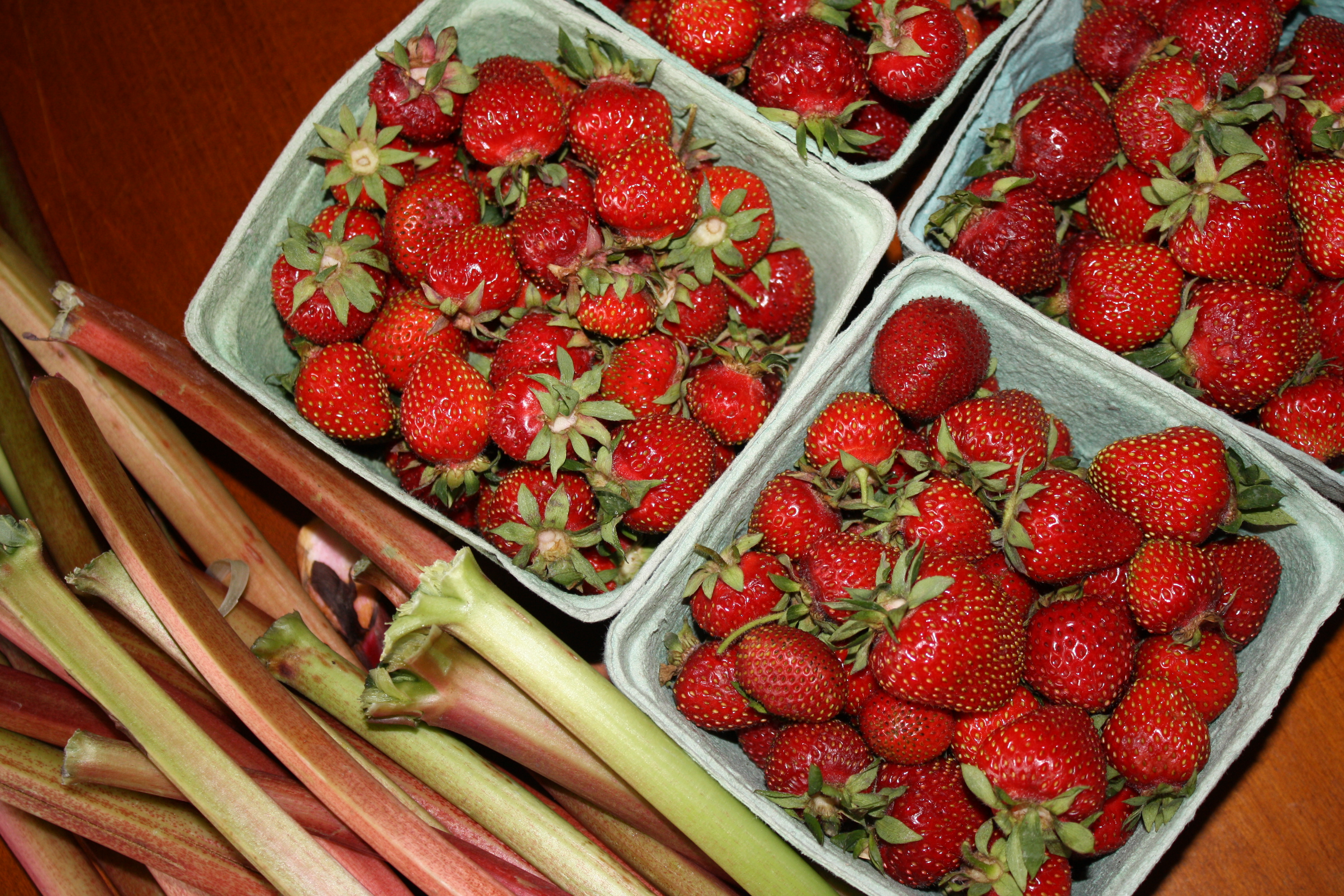
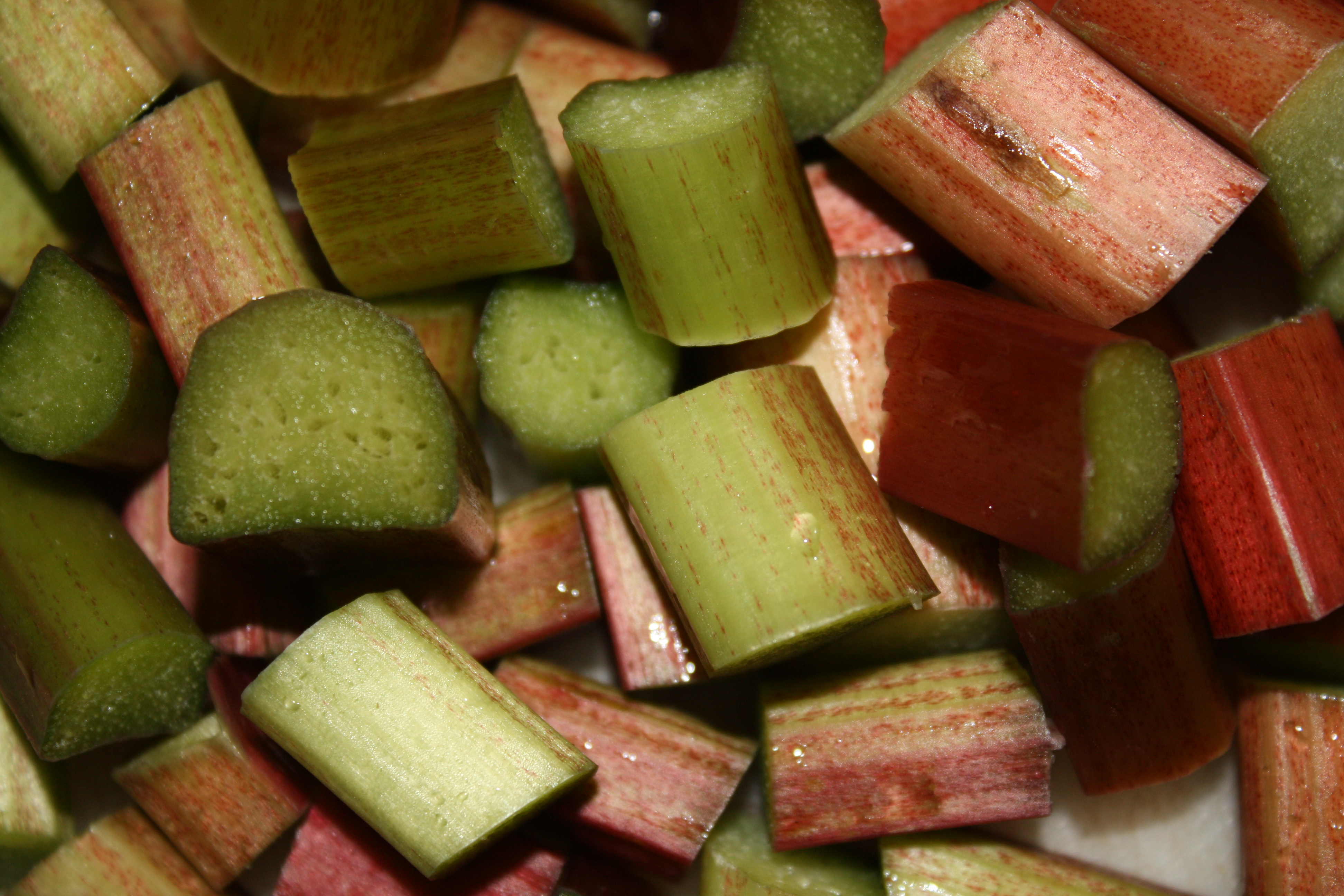
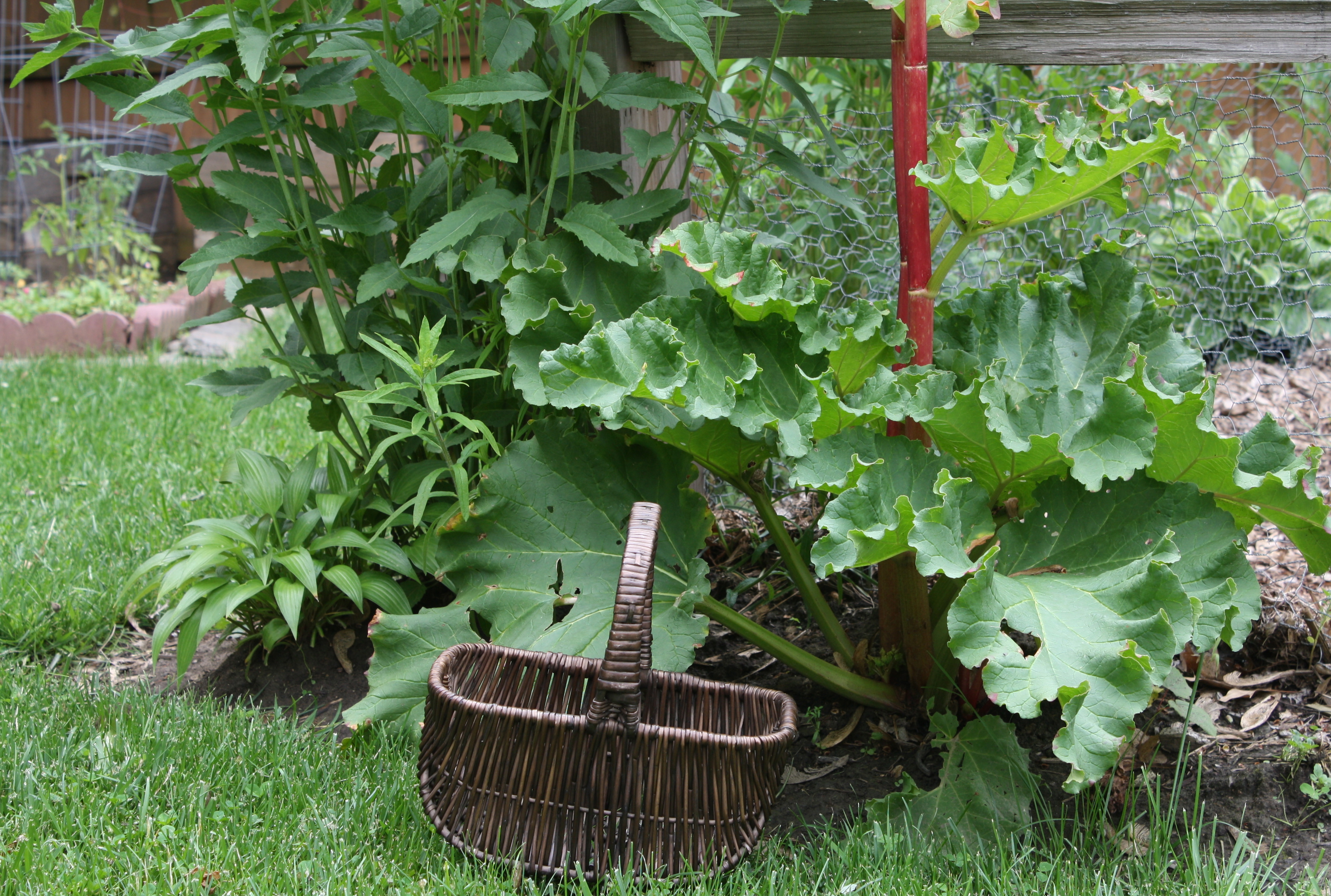
Today I bring you another quick food preservation tip.  Today’s topic:  rhubarb and strawberries…The perfect combo!  Rhubarb and strawberries freeze beautifully and it takes little time.

For the rhubarb:  Rinse the rhubarb and allow to dry.  Then cut off the rough ends of each piece.  Cut the rhubarb into 1 inch bits, toss into a gallon size freezer bag and you are done.  Throughout the year, I simply pull out the desired amount of rhubarb I need for a recipe, allow it to thaw out and you are all set.

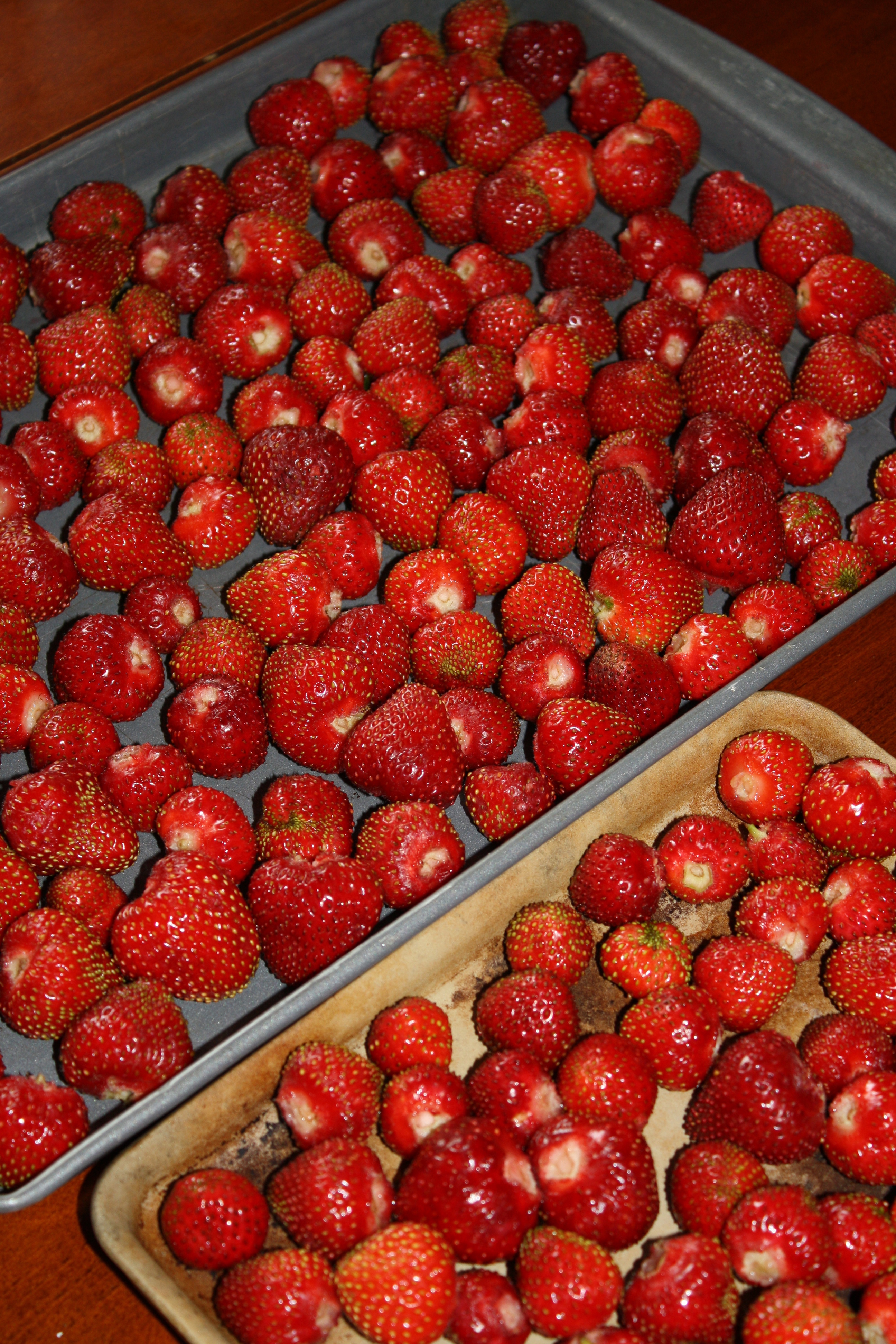
For the strawberries:  Wash the strawberries and pinch off the green leaves and stem. Allow the strawberries to dry.  Then place the strawberries on a cookie sheet or baking pan.  Place the pan in the freezer for a couple of hours.  (This will allow each strawberries to freeze individually, so that you don’t have a giant mass of frozen strawberries in a freezer bag that you can’t use.)

Once the strawberries have frozen, toss them into a gallon size freezer bag and that’s it!  I pull these frozen jewels out all year long to add to our smoothies.  You could of course allow them to thaw and use them in baked goods as well.

***

Some of our favorite home preservation books are:

Putting Food By by Janet Greene, Ruth Hertzberg and Beatrice Vaughan

Animal, Vegetable, Miracle by Barbara Kingsolver (There are some great canning recipes scattered throughout the piece.)

The Big Book of Preserving the Harvest by Carol W. Costenbader

New Addition

We have lived in our current house for four years this coming July, and from the moment we set foot inside our new home and unpacked our boxes, we have had a rodent issue.  I have been completely ill equipped to deal with this problem because I have lived my entire life in the city, and have apparently lucked out in that I have never seen a mouse in a house, in my entire life. But now I seem to find myself in midst of a full bore rodent festival.

We have chipmunks digging holes all over our yard to the point where my oldest can no longer practice her cartwheels in the grass for fear of a sprained ankle.  We have voles burrowing underground and eating all of our raspberry brambles from the roots up.  We have mice running all over our yard, under our deck, and in our house.  Yuck, yuck, yuck.

We have tried traps, deterrents, poison, and even had an animal proofing professional come out and check out our situation.  Since the rodent expert visited us last fall we, thank God, have not had any more mice in the house.  However, they are still running rampant outside.  And my fear is that it is only a matter of time before those little suckers figure out a new entry point into our house.

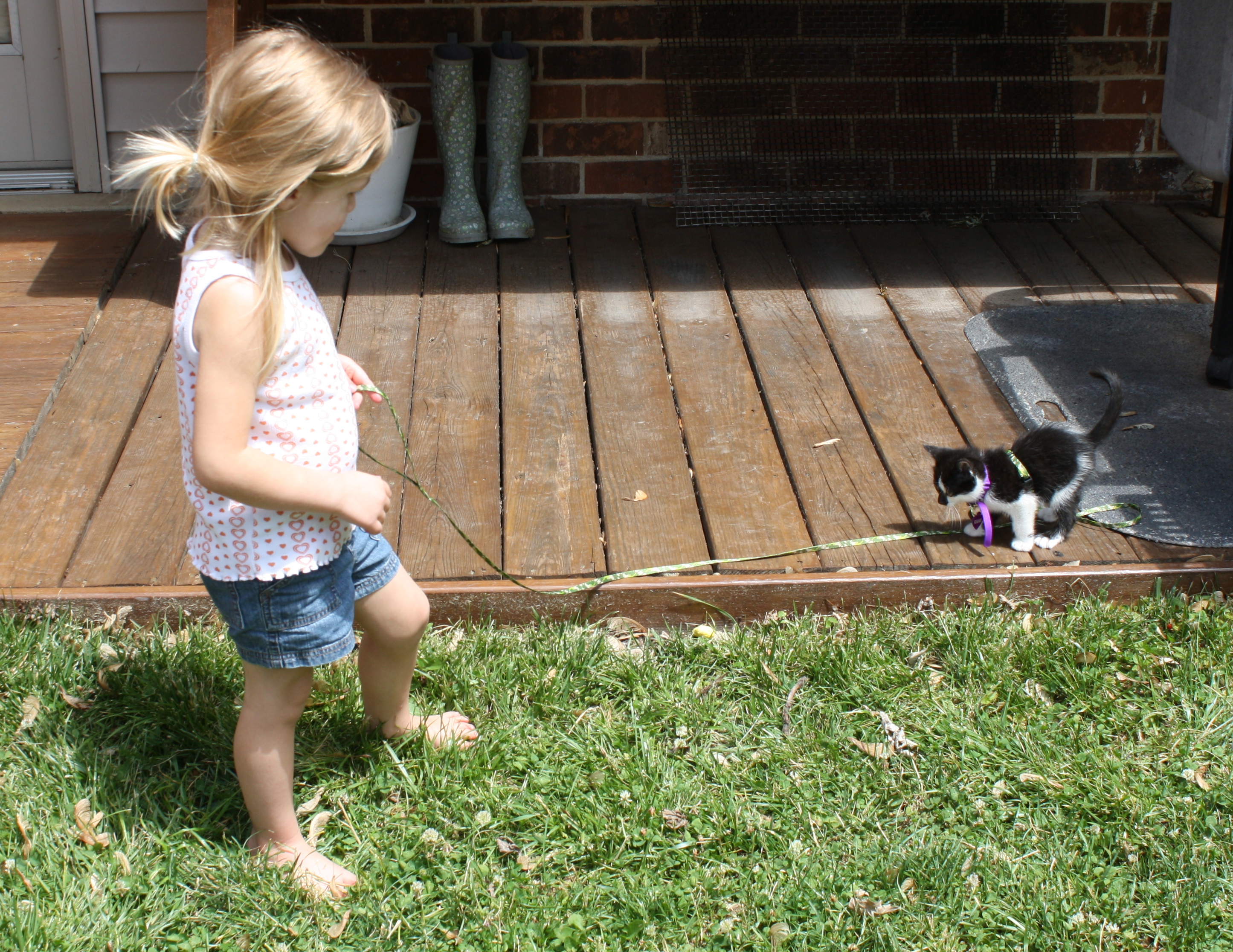
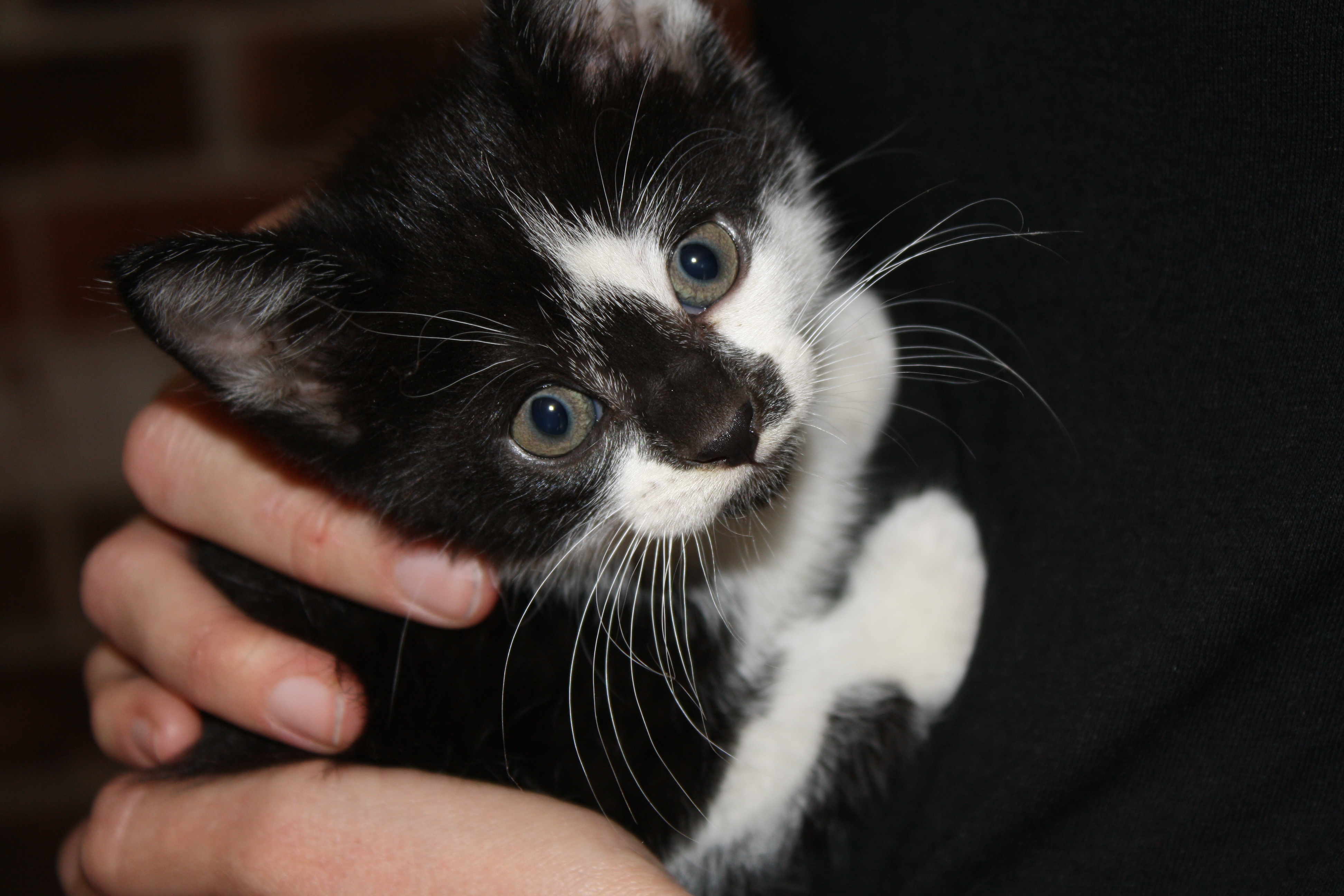
I told my husband in early spring, when the snow melted away to reveal vole tracks all over our yard and half of our raspberry patch again killed off by those vermin, that we needed a new solution.  Enter Rajah, the newest addition to the Fagan household.

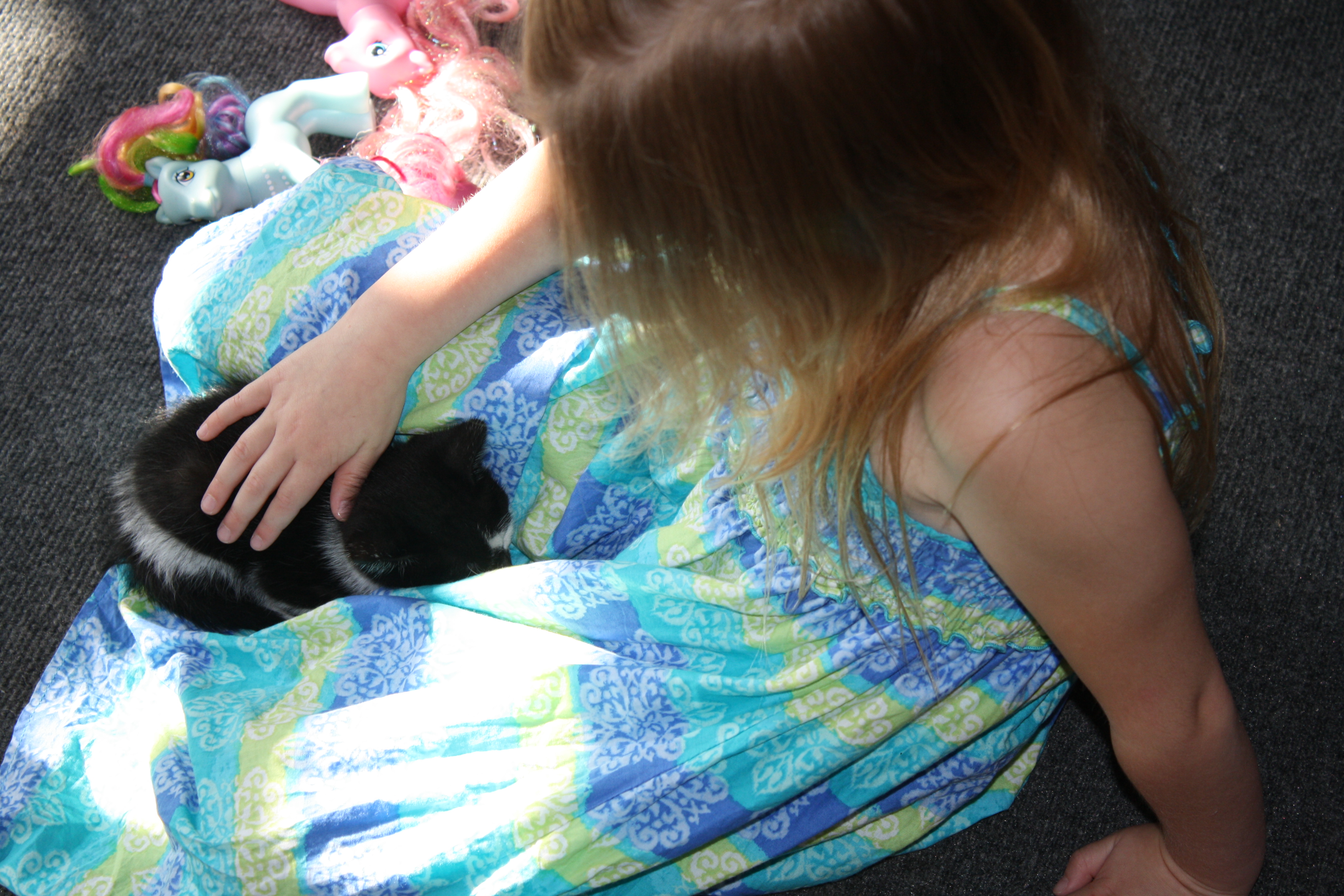
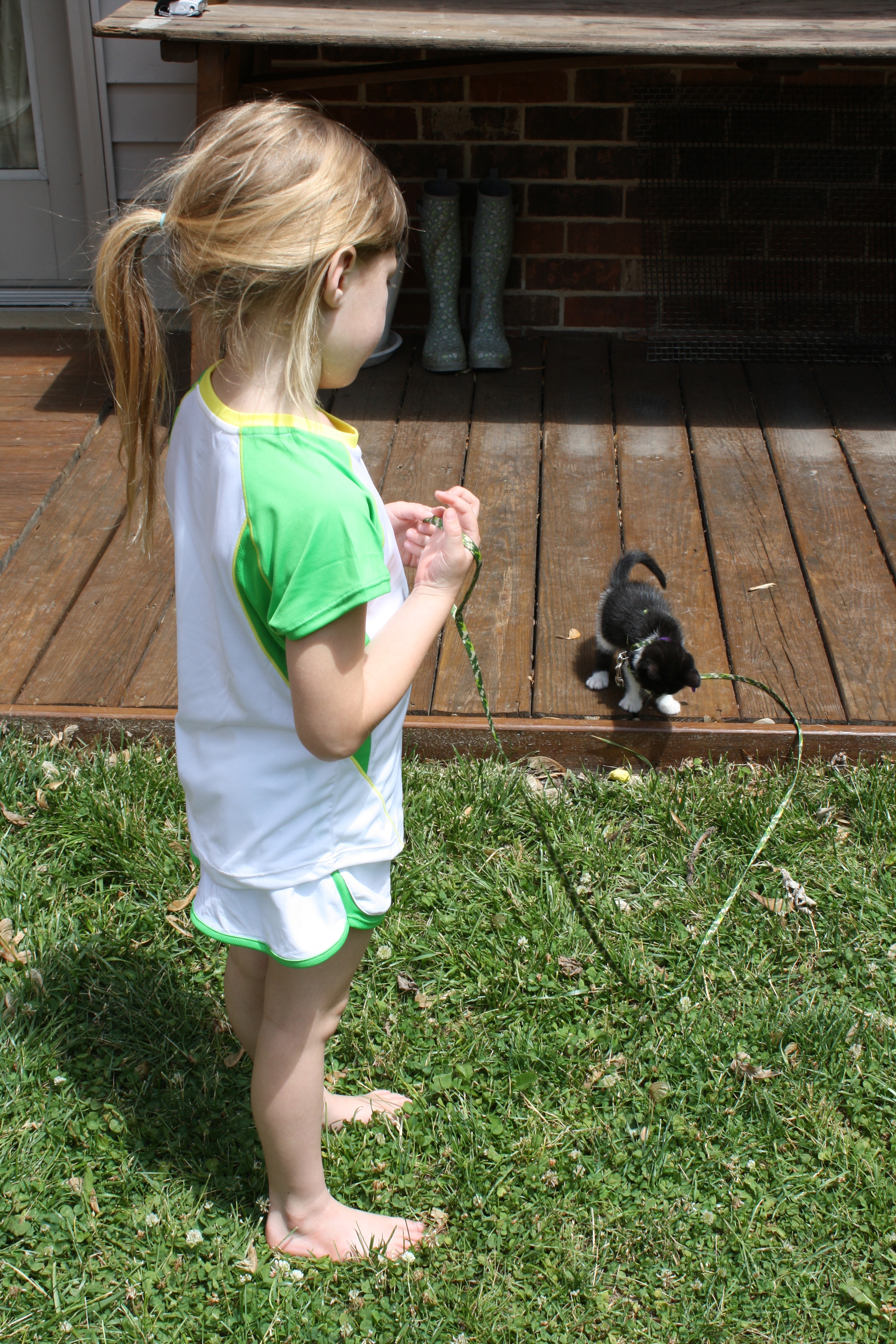
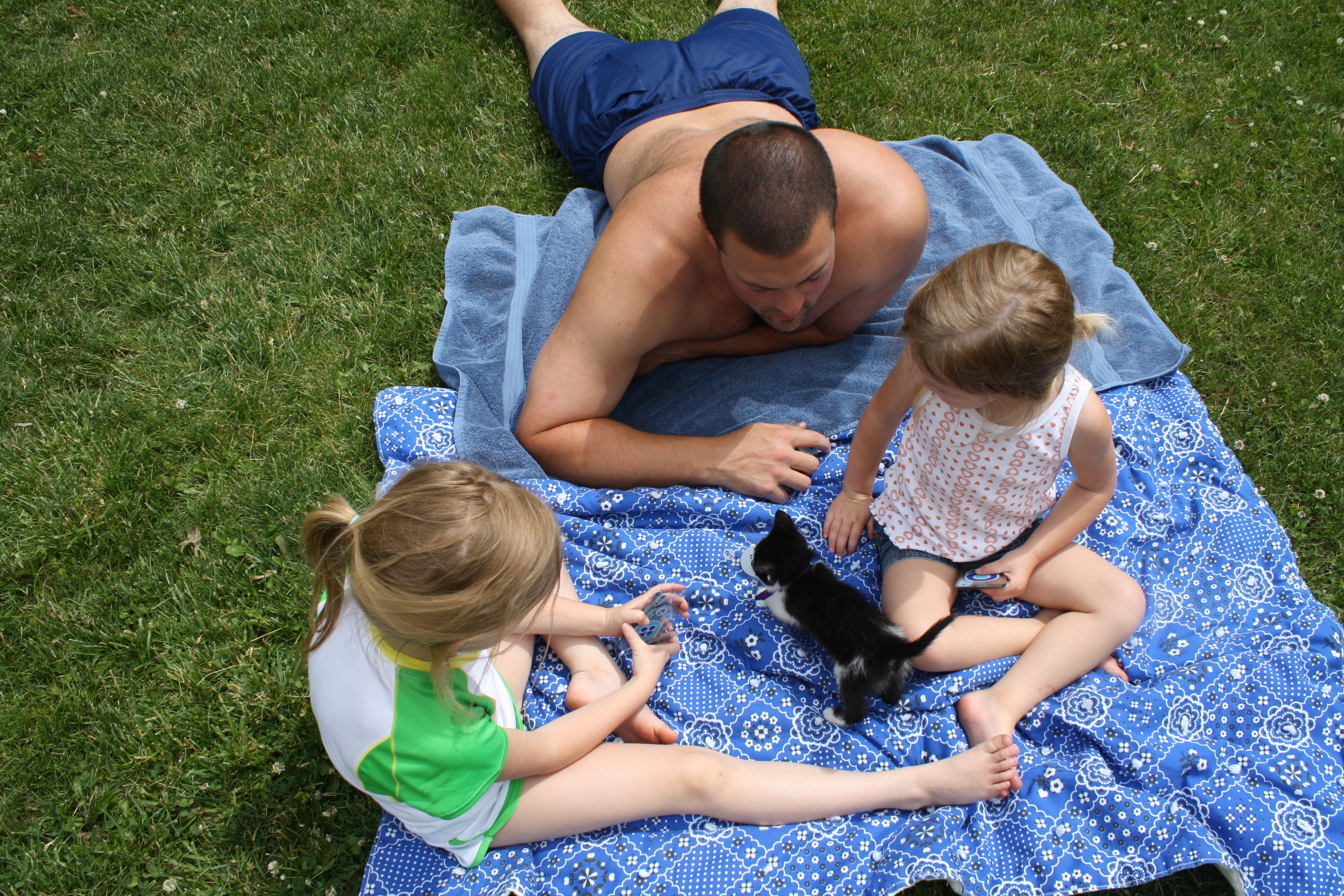
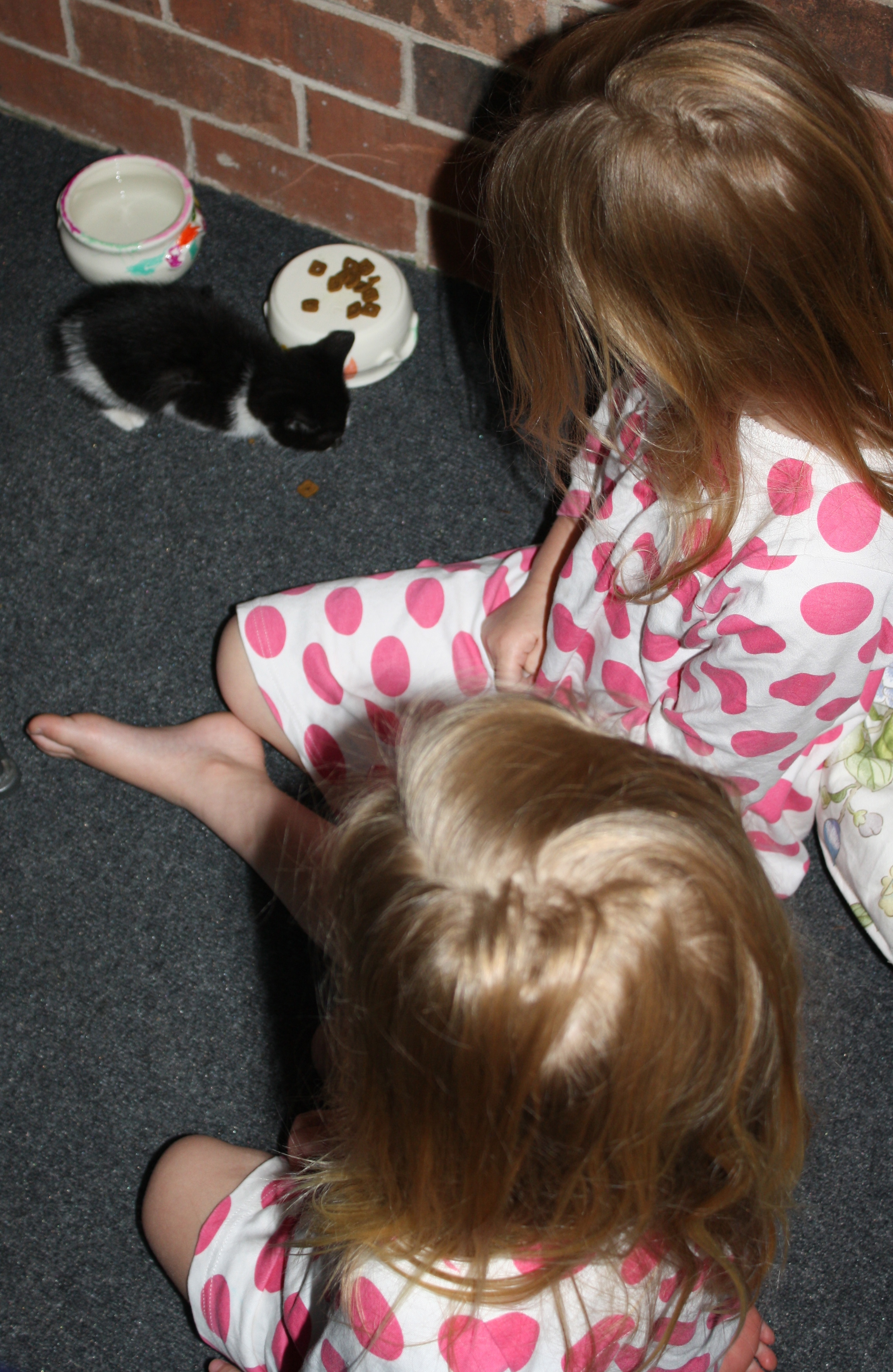
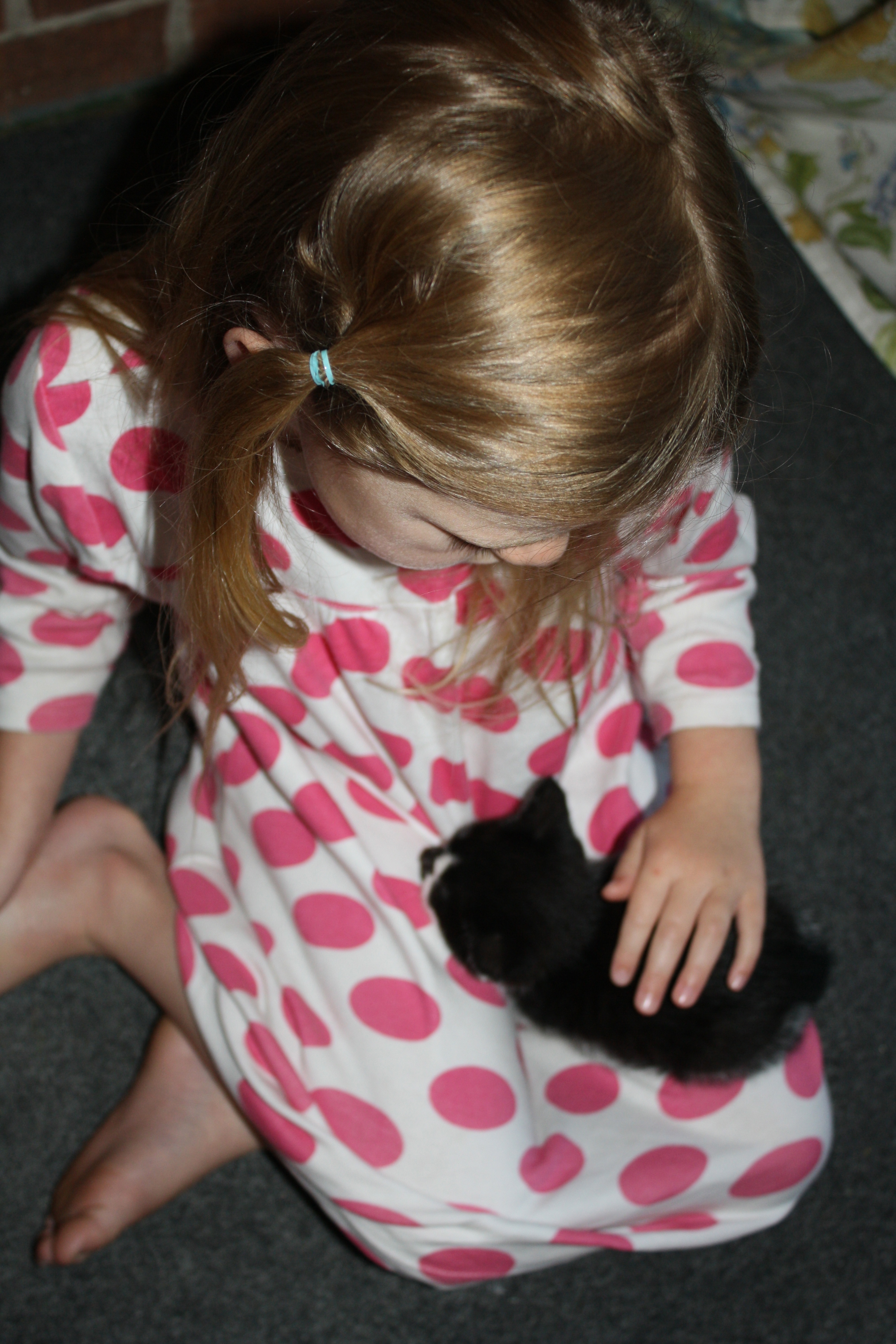
If you would have told me five years ago that I would end up a cat owner, I would have told you that you were absolutely insane.  I have never, ever liked cats.  But now the girls and I have found ourselves absolutely head over heels in love with this little one.  She was given to us by the eight year old daughter of the family we visited about a month ago.  On our visit, little Rajah was only a few weeks old, with very little fur and still nursing from her mama (who is one of the best mousers on the farm…YES!).  On Saturday we went to visit the farm again, and to adopt our new kitty.
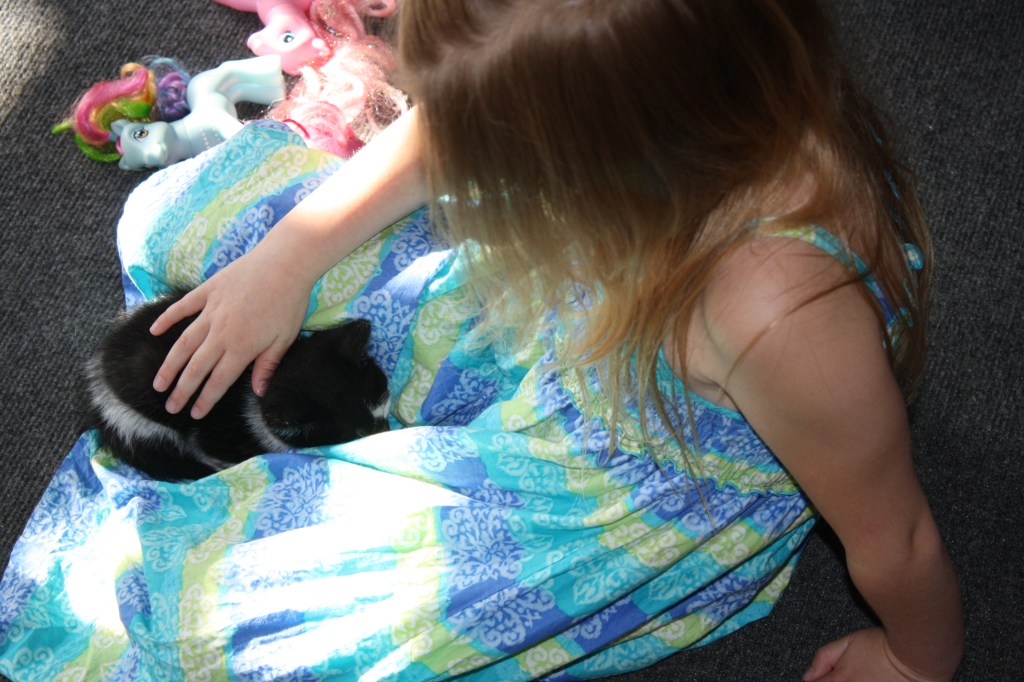
Saying the girls love her in an absolute understatement.  My five year old especially, has not left her side during her waking hours.  In fact, as I write this post the girls are playing at their grandma’s house and the poor girl cried for ten minutes before we got in the car because she didn’t want to leave Rajah.
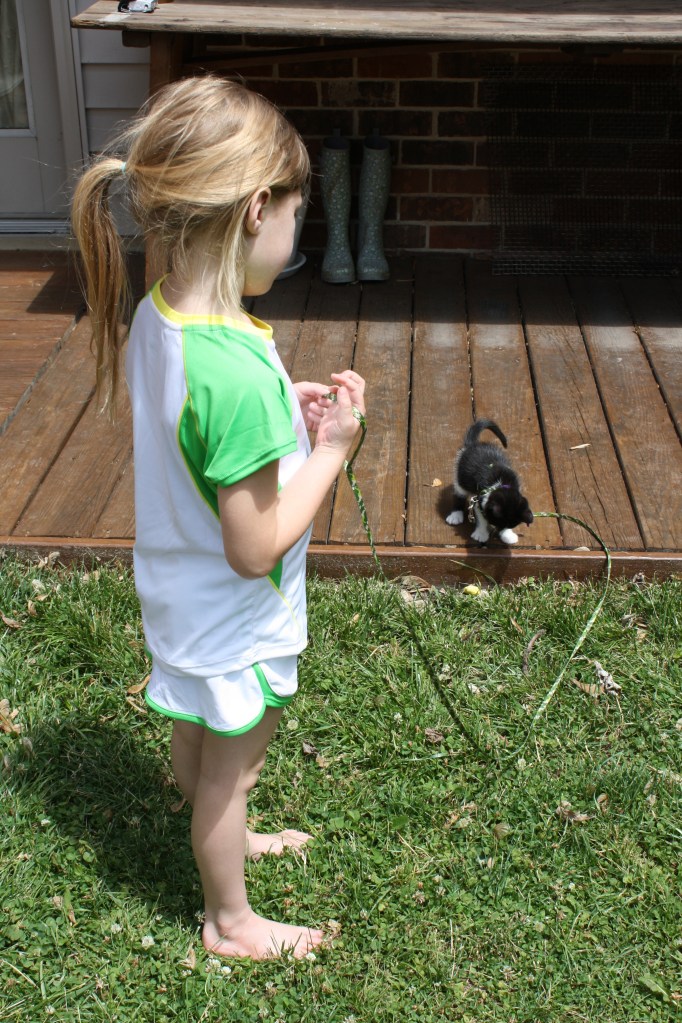
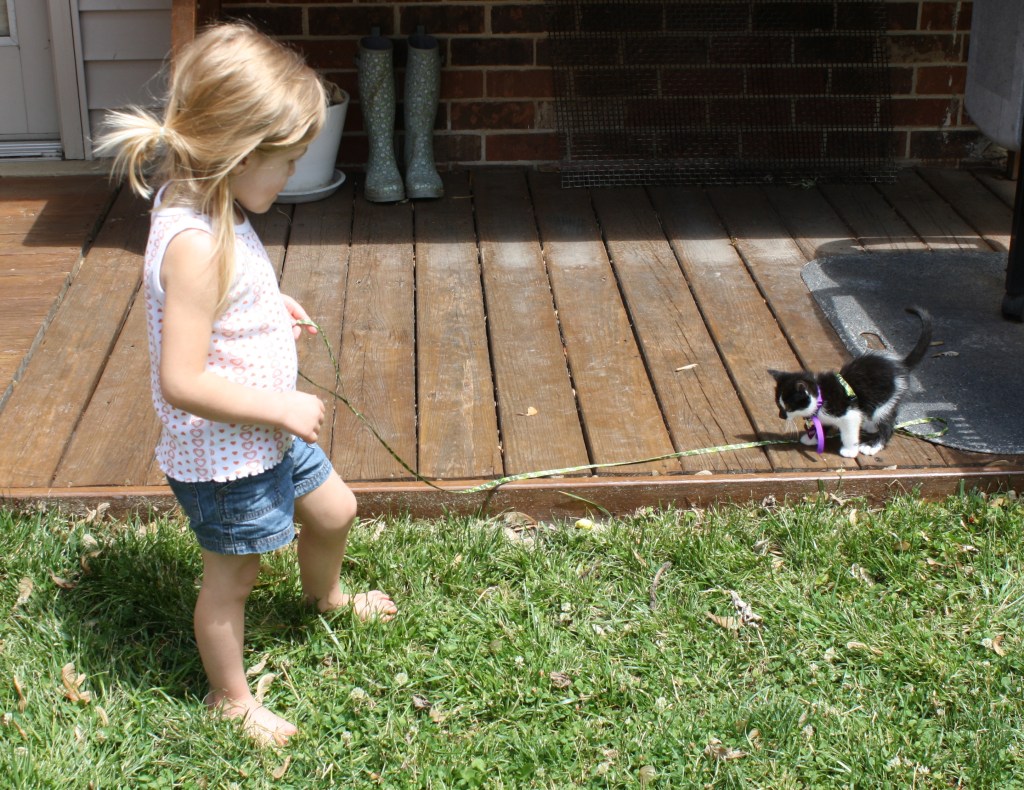
My hope is that she takes after her mommy and can hunt down those pesky rodents, but for now we are just enjoying play time and snuggle time with our newest addition.
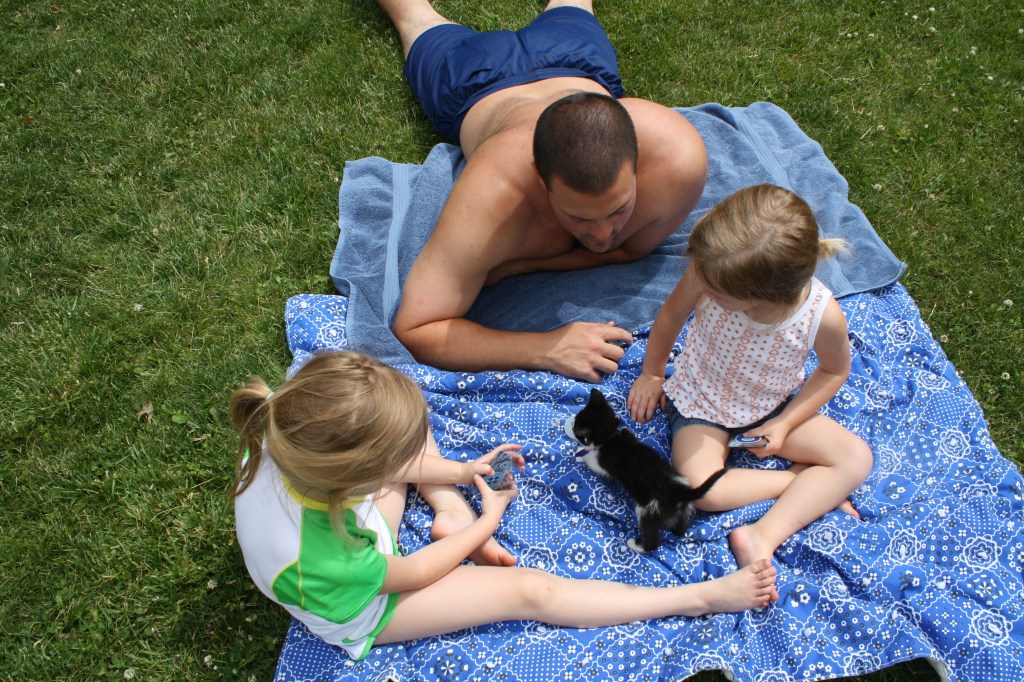

FYI…The girls named her Rajah because that is the name of Princess Jasmine’s (from Aladdin) pet tiger 🙂
Putting Food By: Garlic Scapes

This month marks the two year point from when I was able to start staying home with my little ones and really begin to start honing my homemaking skills.  The past two years have been magical, challenging, and as all new adventures are….educational.

One of my greatest feats I have been able to tackle has been putting food by for my family for those cooler months when food is not as abundant, or doesn’t come up at all.  Now, I word this as a feat because I was always so intimidated by the entire idea of food preservation.  I felt like there was so much research to be done, classes to be taken, and all of this was daunting because that meant time, time, time.

However, now that I have done the research, I have come to realize that putting food by does not have to be alarming at all.  And in all honesty, it doesn’t have to take up much time either.

My biggest source of information when it comes to food preservation has been talking with farmers and other shoppers at the local farmer’s markets.  You can learn a lot talking to the nona who has been canning tomato sauce for 50 years, or the farmer who has been freezing their strawberries for as long as they have been growing them.  And the great part about these conversations is that they don’t take any more than a few minutes, and then you can be on your way, ready to begin your preservation journey.

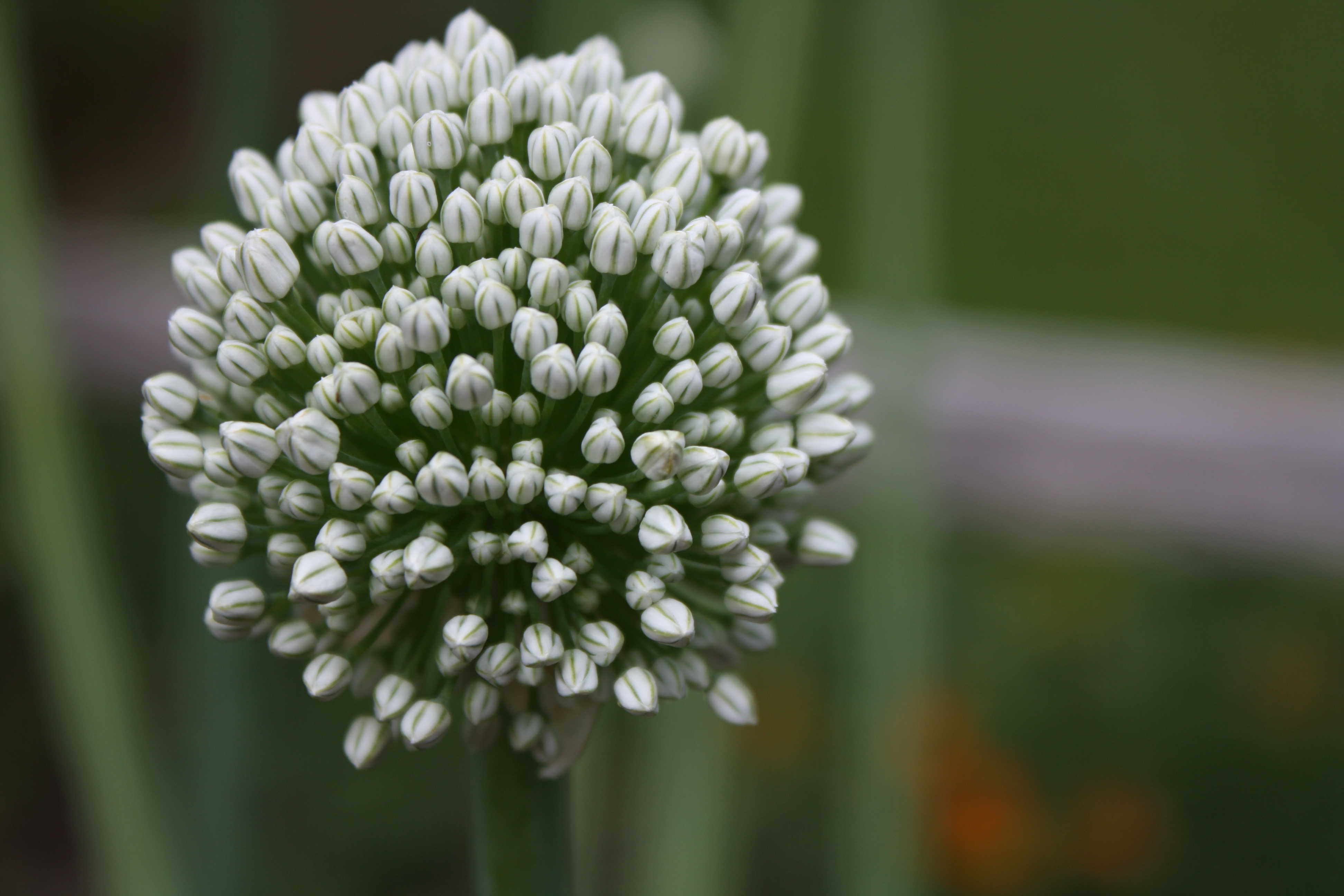
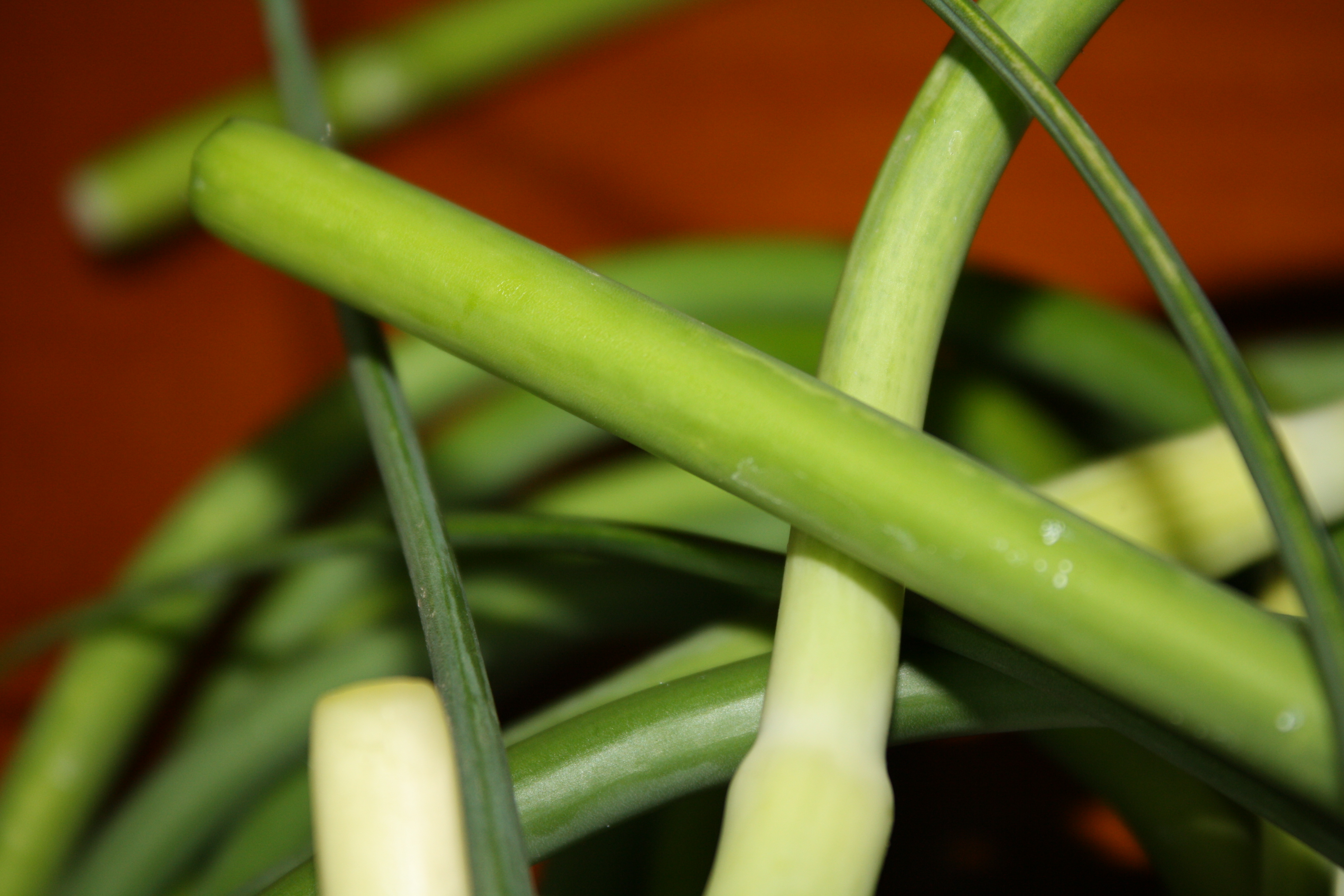
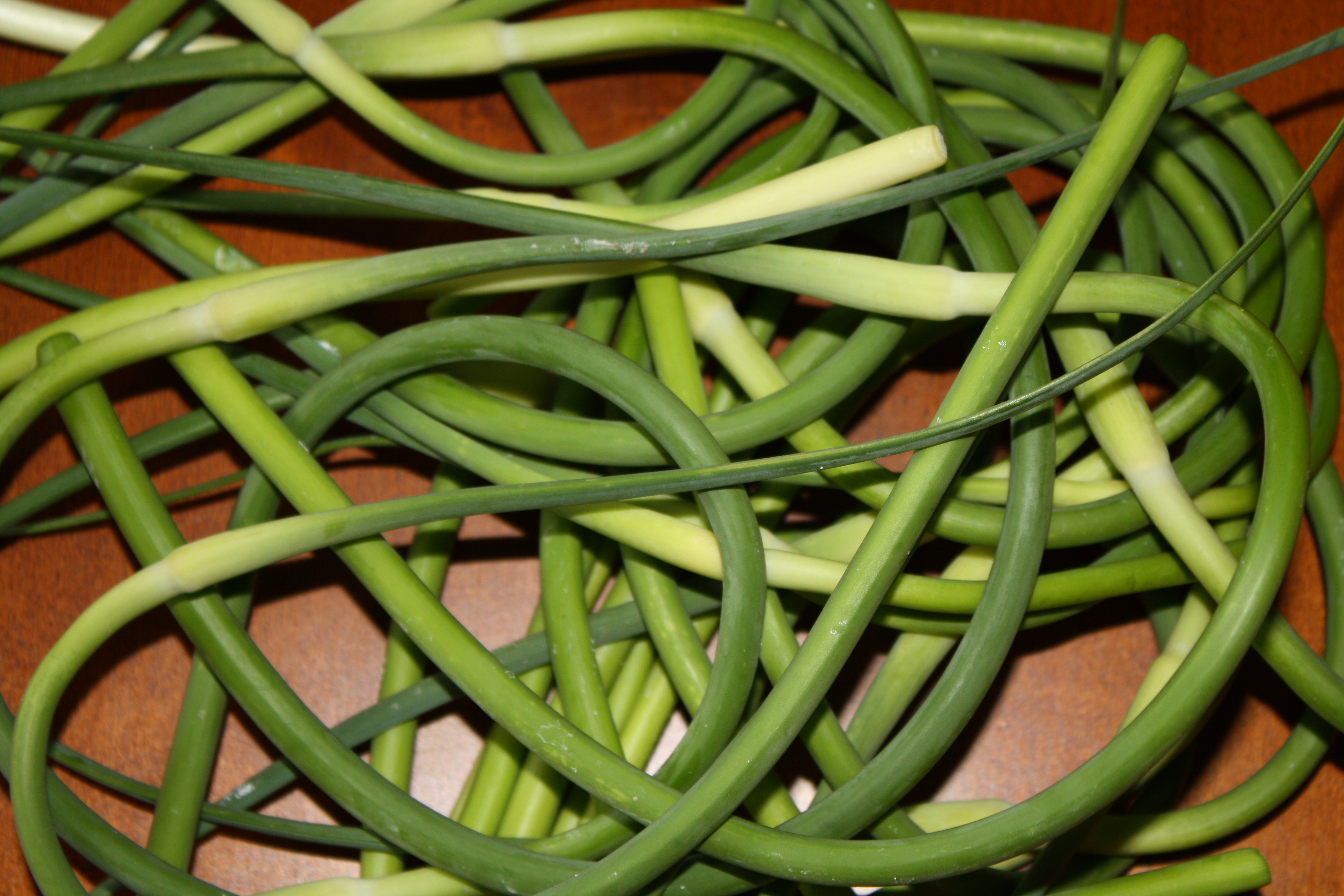
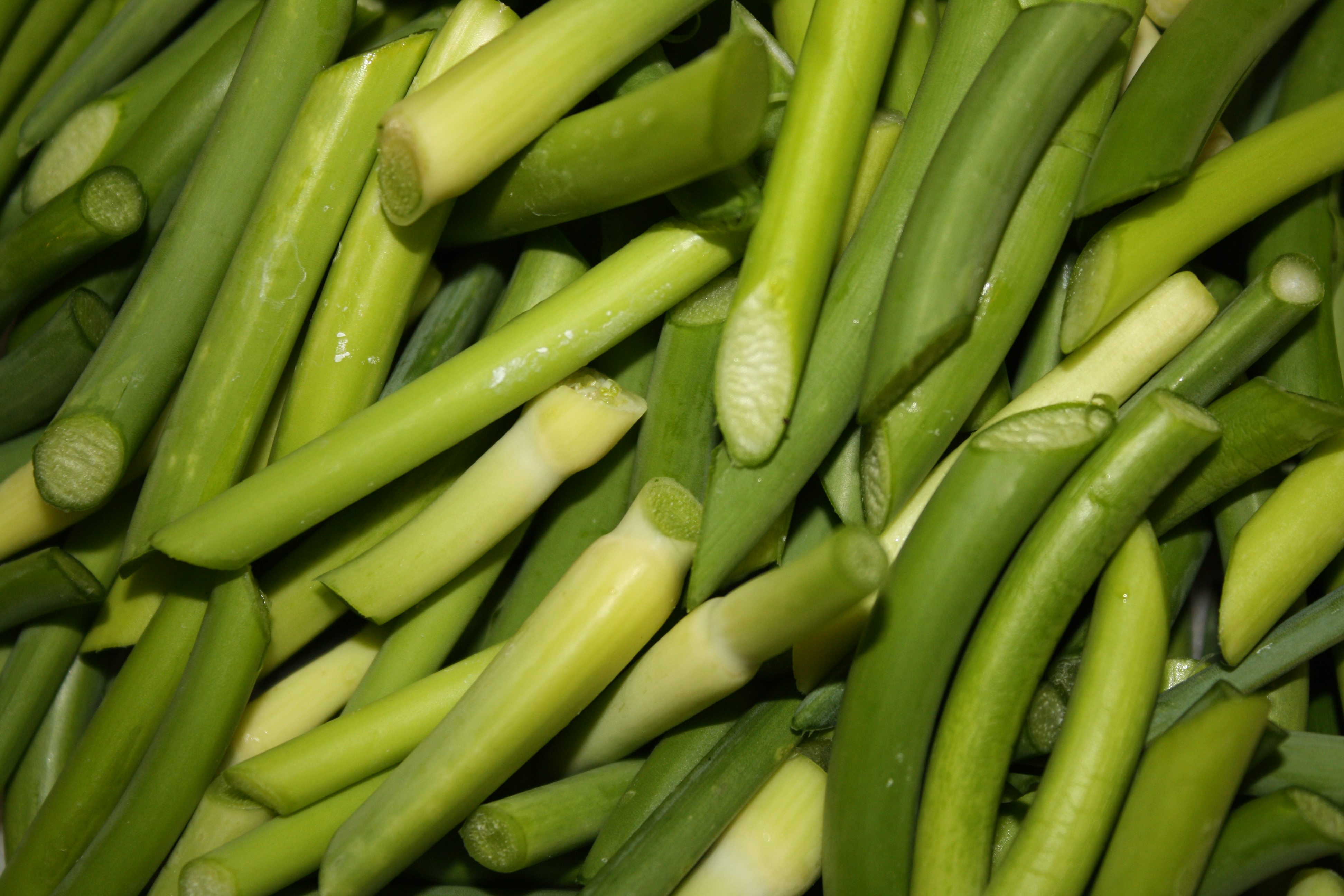
Yesterday I had one of these fabulous conversations with a local farmer who was selling garlic scapes.  Garlic scapes are the green off shoots that emerge from the soil when growing hardneck Rocombole garlic.  It looks much like a green onion, but a bit thinner and curly.  The farmer told me that you can prepare garlic scapes as you would green onions, but it obviously adds a lovely garlic taste to the dish instead of an oniony one.

The farmer then proceeded to tell me they freeze beautifully.  This made my ears perk up because I’m always in the market for food I can put by for another day.  She told me to simply rise off the scopes and cut them into one to two inch sections.

Then you simply place the pieces in a small zip lock freezer bag and freeze.  She told me she will pull a few chunks out if she is making chilli or soup in the winter time and she just throws them in the pot frozen and they cook up nicely and give the dish delicious spicy flavor.

***

Some of our favorite home preservation books are:

Putting Food By by Janet Greene, Ruth Hertzberg and Beatrice Vaughan

Animal, Vegetable, Miracle by Barbara Kingsolver (There are some great canning recipes scattered throughout the piece.)

The Big Book of Preserving the Harvest by Carol W. Costenbader