“Let Food Be Thy Medicine” Smoothie

IMG_1780

Behind us now are those holiday parties and all the delicious goodies that pair so nicely with them, and my family is attempting to get back on track and return to nourishing our bodies as we know they should be.

Most days I make this smoothie for my girls and I, and it dawned on me this morning that I have never shared this recipe with all of you.  It is a smoothie recipe I have tweaked over the past couple years as my knowledge of using food as medicine broadened.  After a great deal of trail and error, we have found this smoothie meets our needs, while also leaving us with a smile on our face as we begin each day.  It is packed with so much goodness, yet tastes great and has a consistency very similar to a milk shake (but with no dairy or sugar!).

This smoothie recipe is vegan and gluten free, and makes about 6 cups.  I hope you enjoy!

“Let Food Be Thy Medicine” Smoothie

1 can coconut milk

1/2 cup pineapple juice

1/4 lime juice

1 avocado

1 apple

1 cup fresh kale (firmly packed)

1 handful watercress

1 handful cilantro

1 strip dried Kombu (or seaweed of choice)

2 cups frozen berry mix (strawberries, blue berries, raspberries, black raspberries, blackberries)

2 tablespoons hemp seed hearts

1 teaspoon stevia

1 tablespoon bentonite clay (0ptional…Bentonite clay supplies a wealth of dietary nutrients, as well as acting as an expeller of toxins from the body.)

Place all ingredients in a blender and run until it reaches your desired consistency.  (I have a Vitamix and it mixes up quite nicely.  However, I have used a run-of-the-mill blender to make this smoothie and it works well too.)

Vegan Soap Recipe

IMG_1143

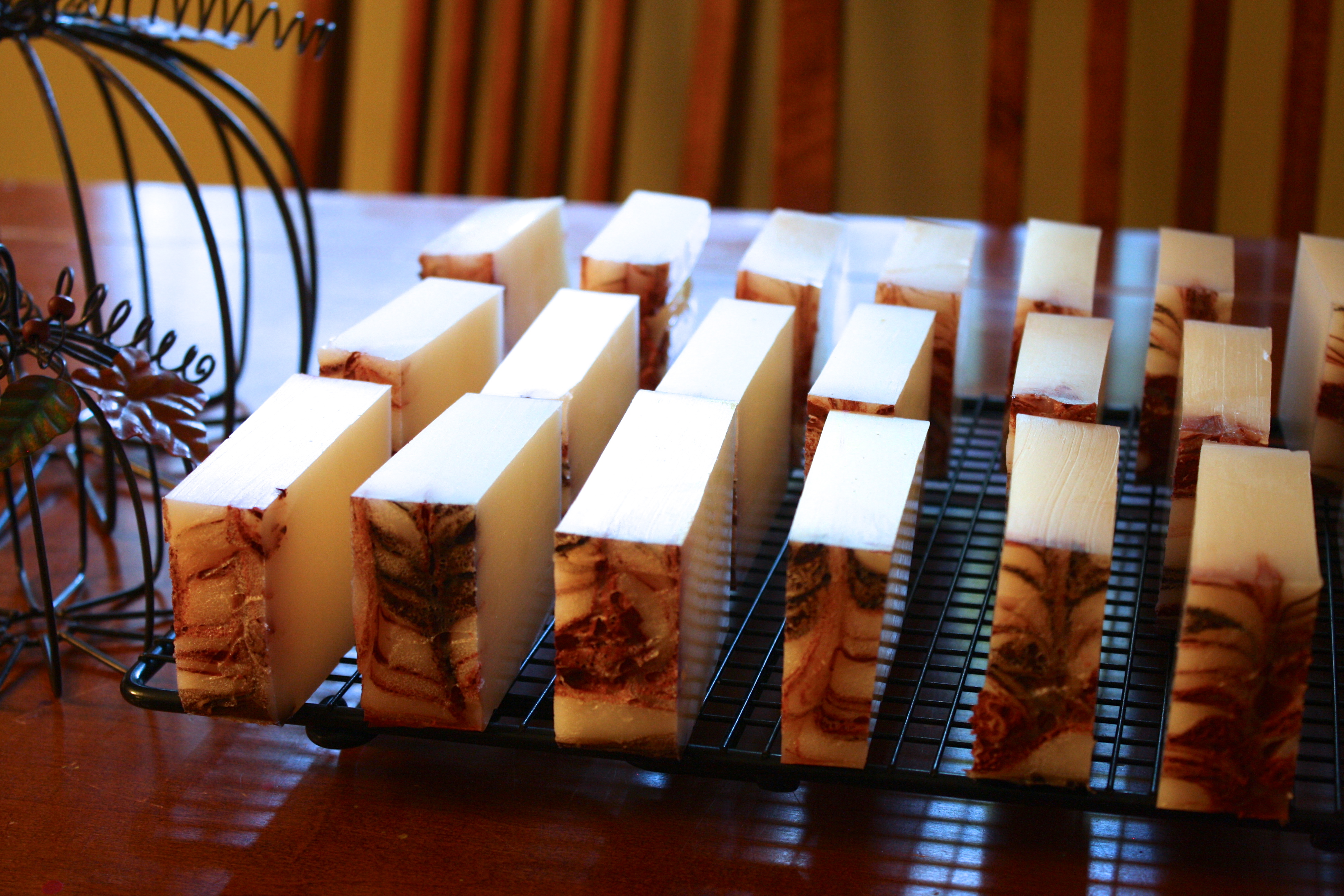
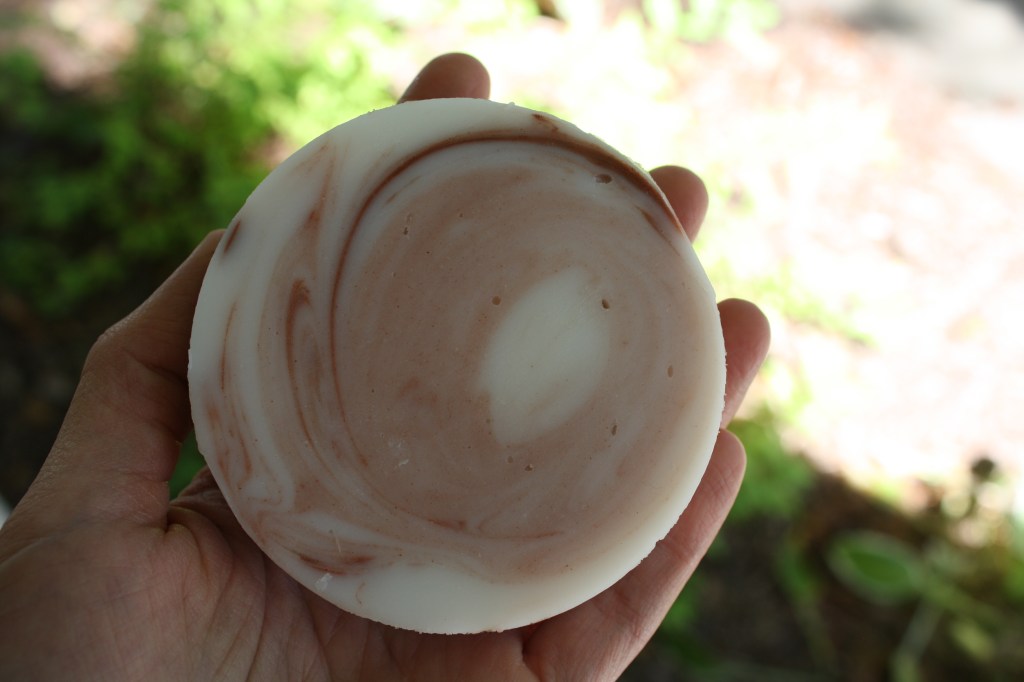
Friends, I am so very excited to share with you my vegan soap recipe today!  It is a recipe I have been experimenting with for several months now, and at this point I am very happy with the way the soap is turning out.  I also worked with Brazilian clay this go round, and I am thrilled with those results as well.

This soap recipe has been a gradual evolutionary project for me.  When I began making soap many years ago, I used a melt-and-pour base to which I added essential oils, herbs, and other fun things.  I then moved on to making my own cold-pressed soap using a combination of lard and coconut oil.  My struggle with making this type of soap was that at times when I did not have access to lard from a pig in which I knew the farmers that raised it, I was using lard purchased from the grocery store.  I had a hard time with this because I am so careful to consume (and feed my family) foods in which I feel confident in its raising/growing, and here I was, making soap that would go be lathered onto the largest organ of our bodies (our skin!) and I didn’t know where it came from.  I started to seek an alternative for our family during those months when we did not have access to local lard, and this is the result of those efforts.  I hope you enjoy!

Vegan Soap Recipe

5 cups distilled water

12 oz lye

12 cups organic unrefined coconut oil

Essential oils of your choosing (if desired)

Brazilian clay of your choosing (if desired)

*Before you get started, please know that making soap with lye can be very dangerous.  You MUST be sure you are wearing proper gloves and eyewear at all times, and you must be in a well ventilated room!  (I never, ever make soap when my children are awake.  It is not worth the risk of having them underfoot in any way.  I normally make soap very late at night after my household is asleep.  I open all of the windows in the kitchen, turn on all of our ceiling fans, and then begin.) 

Step 1:  In a large stainless steel bowl, carefully stir the lye into the distilled water.  Stir continuously until all the lye is dissolved.  (This mixture can rise in temperature to almost 200 degrees, so again, proceed with caution.)  Allow the lye-water mixture to cool to 75 degrees.  This can often take several hours.

Step 2:  Warm the coconut oil in a stock pot until it becomes liquid.  Remove from the heat and allow to cool to 80-85 degrees.

Step 3:  In a very slow and steady stream, carefully add the coconut oil to the lye-water mixture while stirring constantly.  (I often have my husband help with this process.  I slowly stir the lye-water mixture while my husband ladles in the coconut oil.)

Step 4:  Once all the coconut oil has been added, I use an immersion blender to get the soap to reach trace phase (the consistency of a thick honey).

Optional Step:  If adding essential oils, blend the oils in at this time.  And if adding clay for coloring your soap:  mix a tablespoon of clay with .25-.50 mL of your chosen essential oil.  Partially mix the clay into the soap mixture so it streaks.

Step 5:  Pour mixture into soap molds.  Cover with plastic.  I then place lots of old beach towels on top of the plastic wrap to help insulate the soap.

Step 6:  Allow your soap to remain insulted for 3-4 days.  Then remove the soap from the molds, cut the soap (if necessary), and place on a cooling rack.

Step 7:  Allow your soap to cure on the cooling rack for at least 2 months before using.

IMG_1138

Early September in the Garden

As fall quickly approaches, the end of the gardening season is just around the corner.  But with everything going on in our garden, one would never know it.  So, for now, we are just so very grateful for all that our garden provides for us.

IMG_1007 IMG_1027

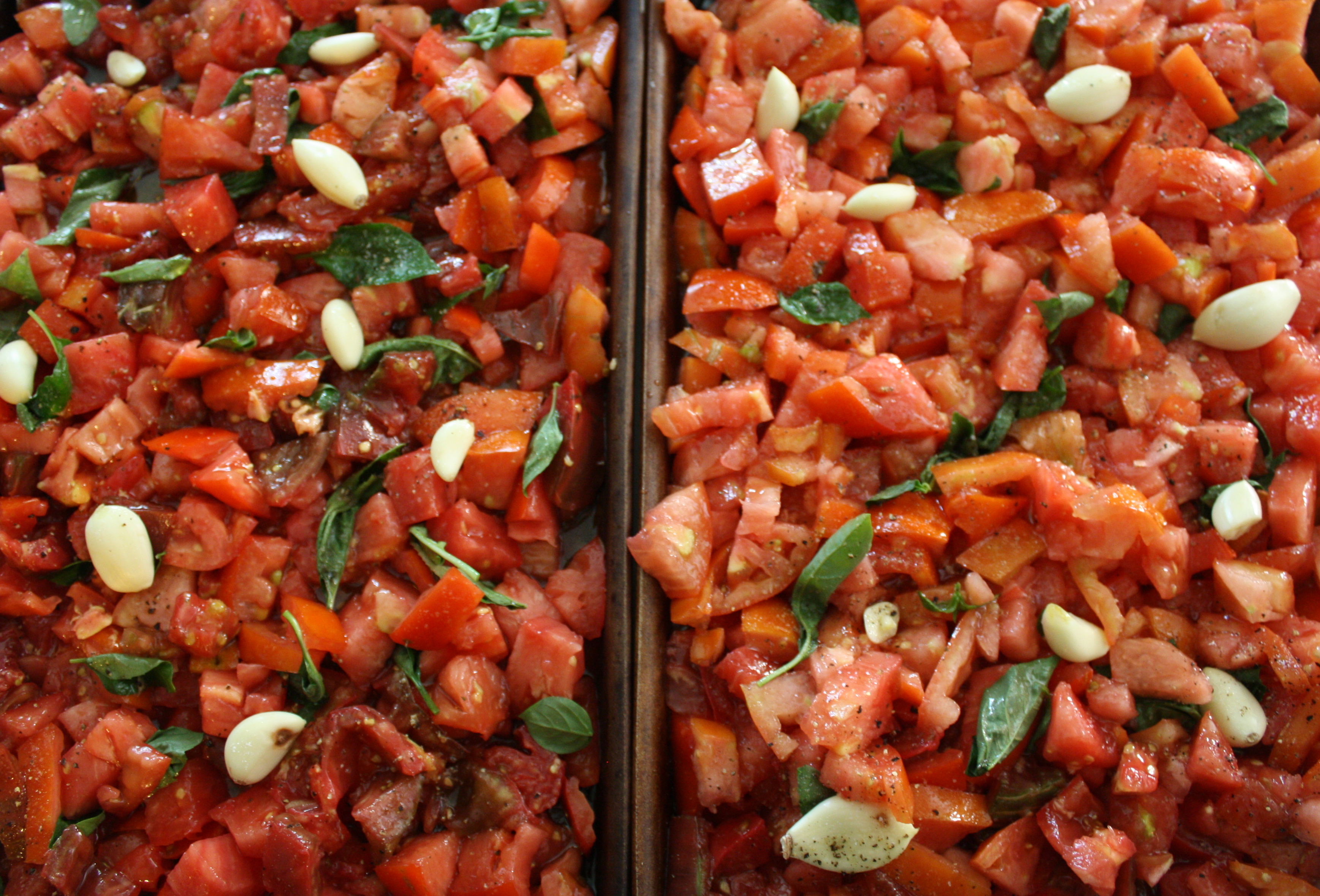
As I mentioned last Tuesday, our tomatoes are in full swing right now.  That means lots of canning is taking place around our house.  This year I am attempting something new after reading my favorite blog.  I am roasting my tomatoes and basil with a bit of garlic, olive oil, salt and pepper in a 450 degree oven until the tomatoes begin to brown.  I then let it cool to room temperature, scoop the mixture into quart jars, and freeze them.

IMG_1019

On a fun tomato note, last year I grew Mexican Midget tomatoes and Green Zebra tomatoes in our school garden.  At the end of the growing season, my students and I tried a little experiment.  We picked about 3 tomatoes from each plant, sliced them very, very thin and left them to dry out on a coffee filter.  Once the tomatoes were dry, I stuck them in my file cabinet until this past March.  Then, using our class pet’s castings (Yes, we had worms as a class pet!) as a base, we placed the coffee filters (with the dried tomato slices on them) on top of the compost.  We then coated the dried tomatoes with a thin layer of compost.  Once mid-May hit, we transplanted the small tomato plants into our school garden and I also took some home.  Above is the result of our experiment:  some Green Zebras (left), some Mexican Midgets (right), and a nice cross pollinated version (middle).  And the result of this cross is just delicious because it is sweet like a Mexican Midget, but also has a tang to it similar to the Green Zebra.  Science is so fun!

IMG_1008

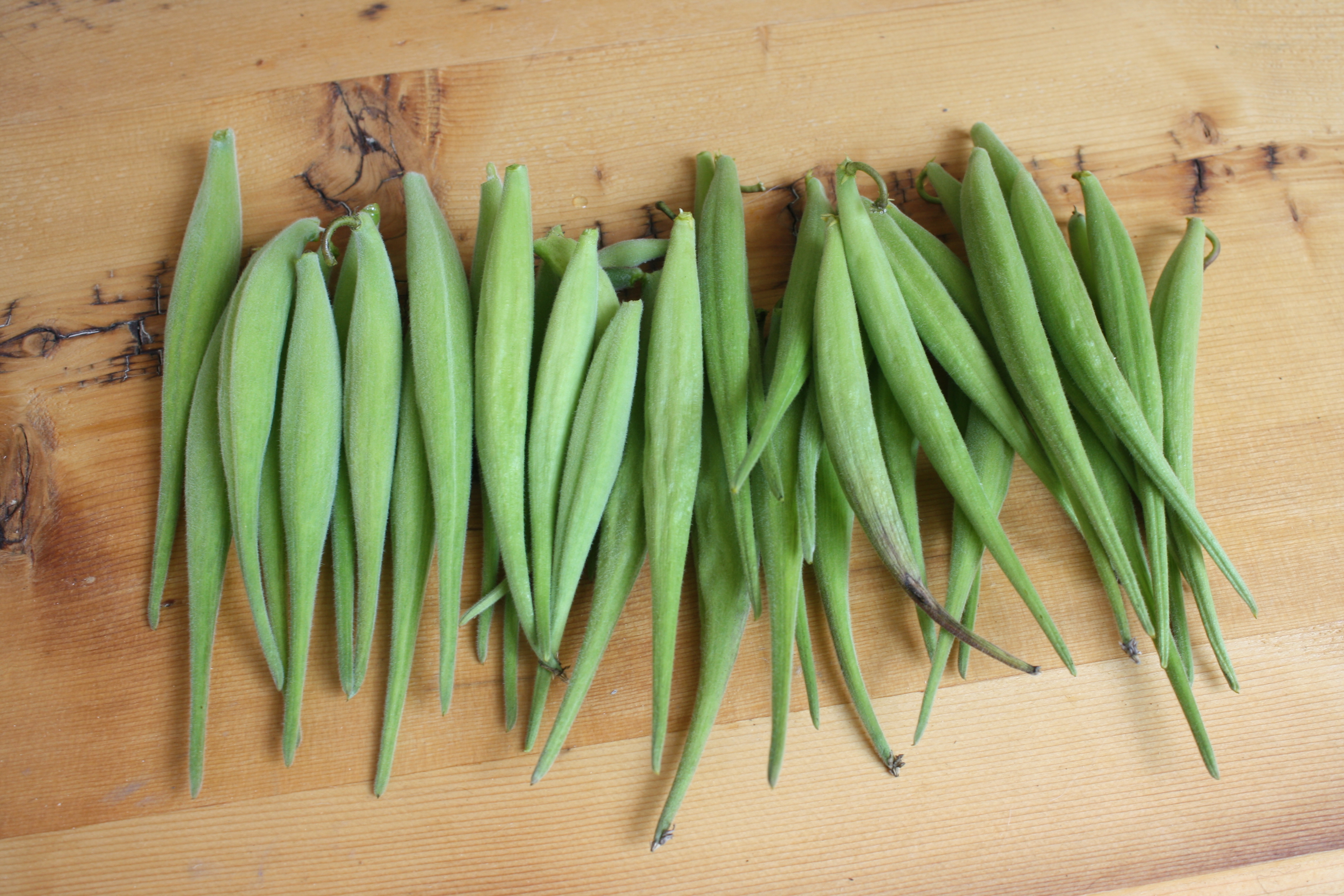
Our milkweed has begun to go to seed, and with my daughters’ current obsession with Little House on the Prairie, we are drying the seed pods and then plan to use the wispy, silky fibers to stuff a small doll.

IMG_1024

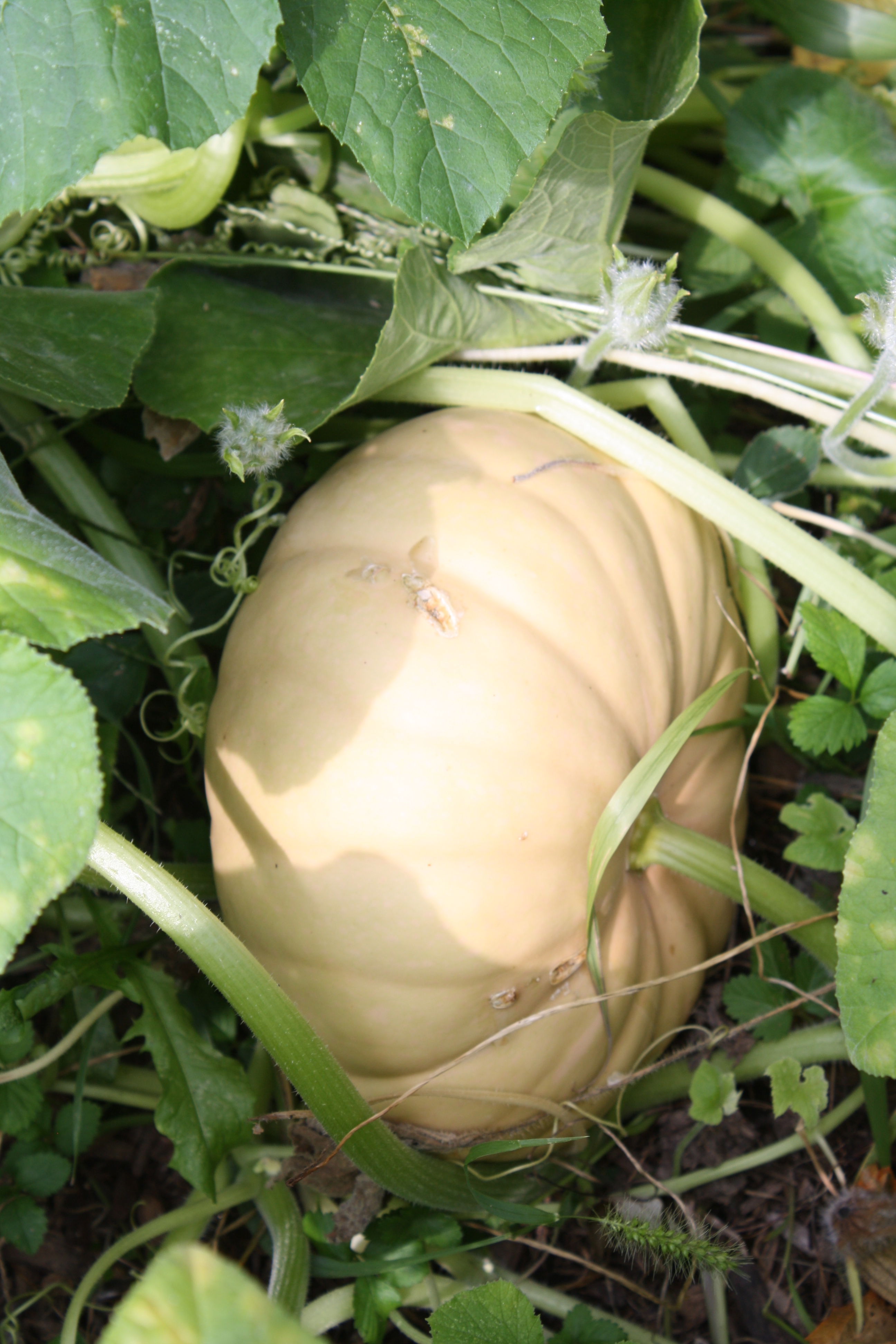
For the first time ever, we are growing pumpkins.  And they are actually growing!  I cannot express my excitement when I went out to weed the other day and found this guy nestled in among the gourds we are also growing in that same space.

IMG_1015

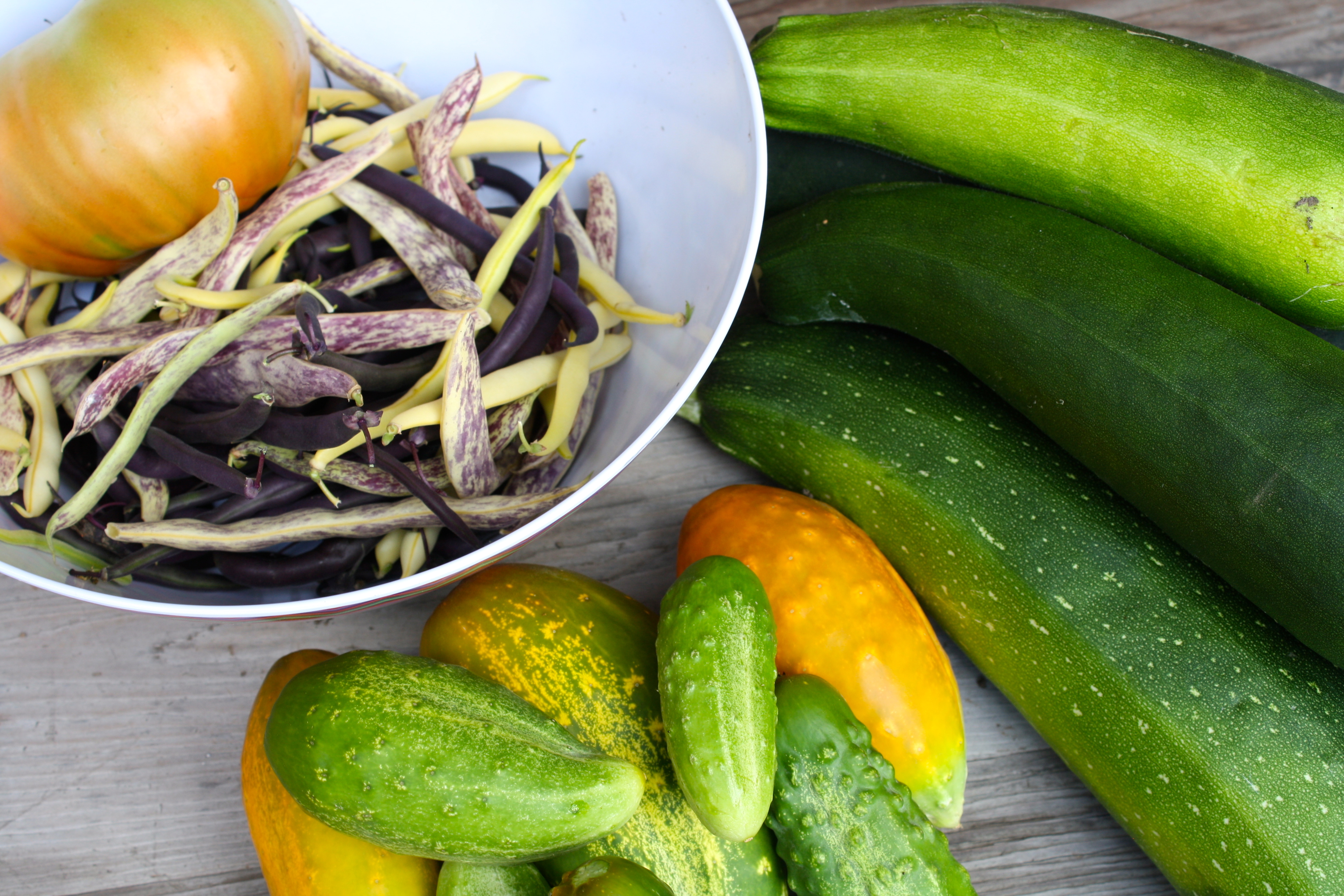
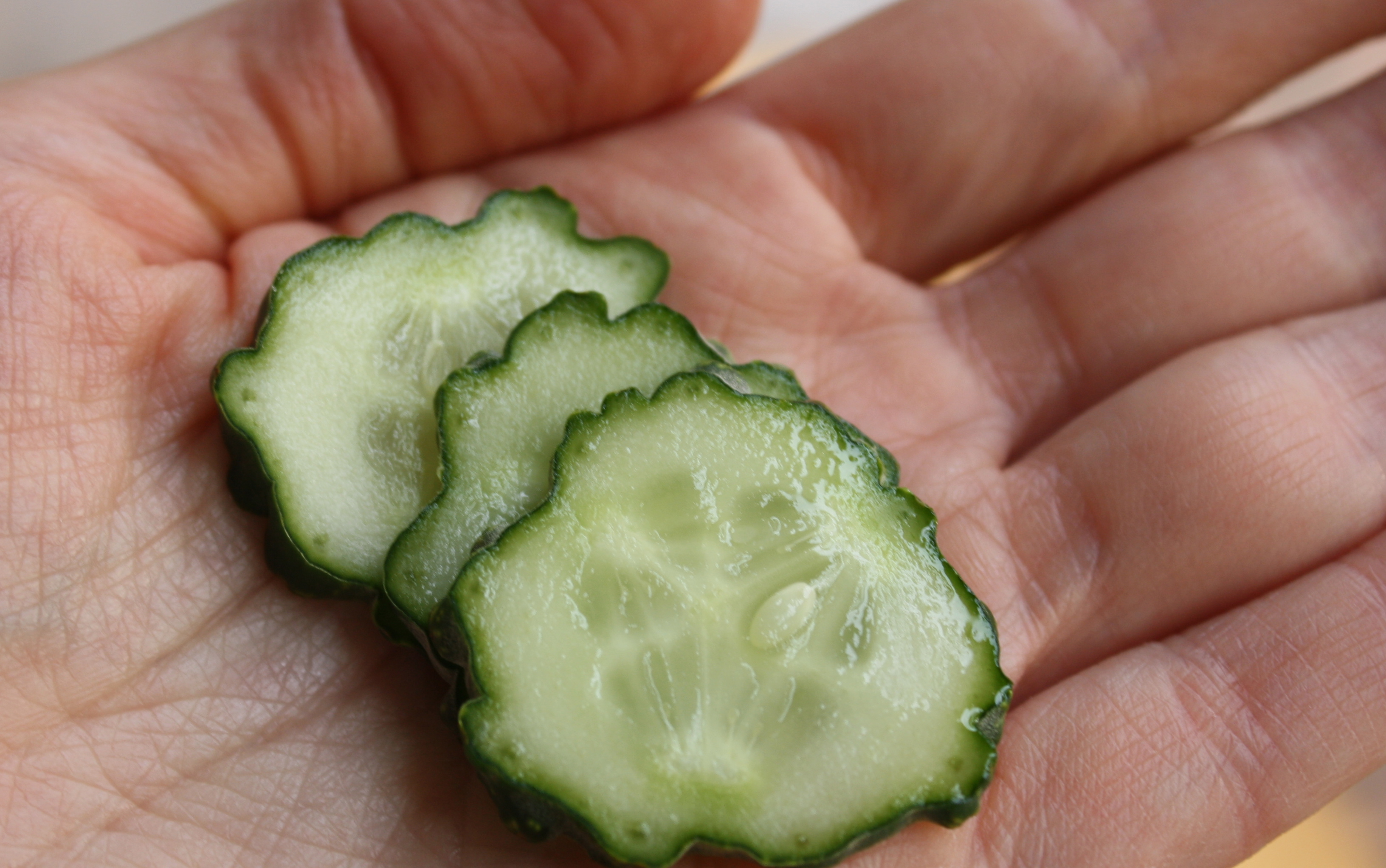
The cucumbers are currently out of control.  And truth be told, I have no desire to can pickles this year.  At all.  I am hoping my sentiment changes because I am not quite sure what do to with all of these guys that are currently sitting in the middle of my kitchen table.

IMG_1009 IMG_1012

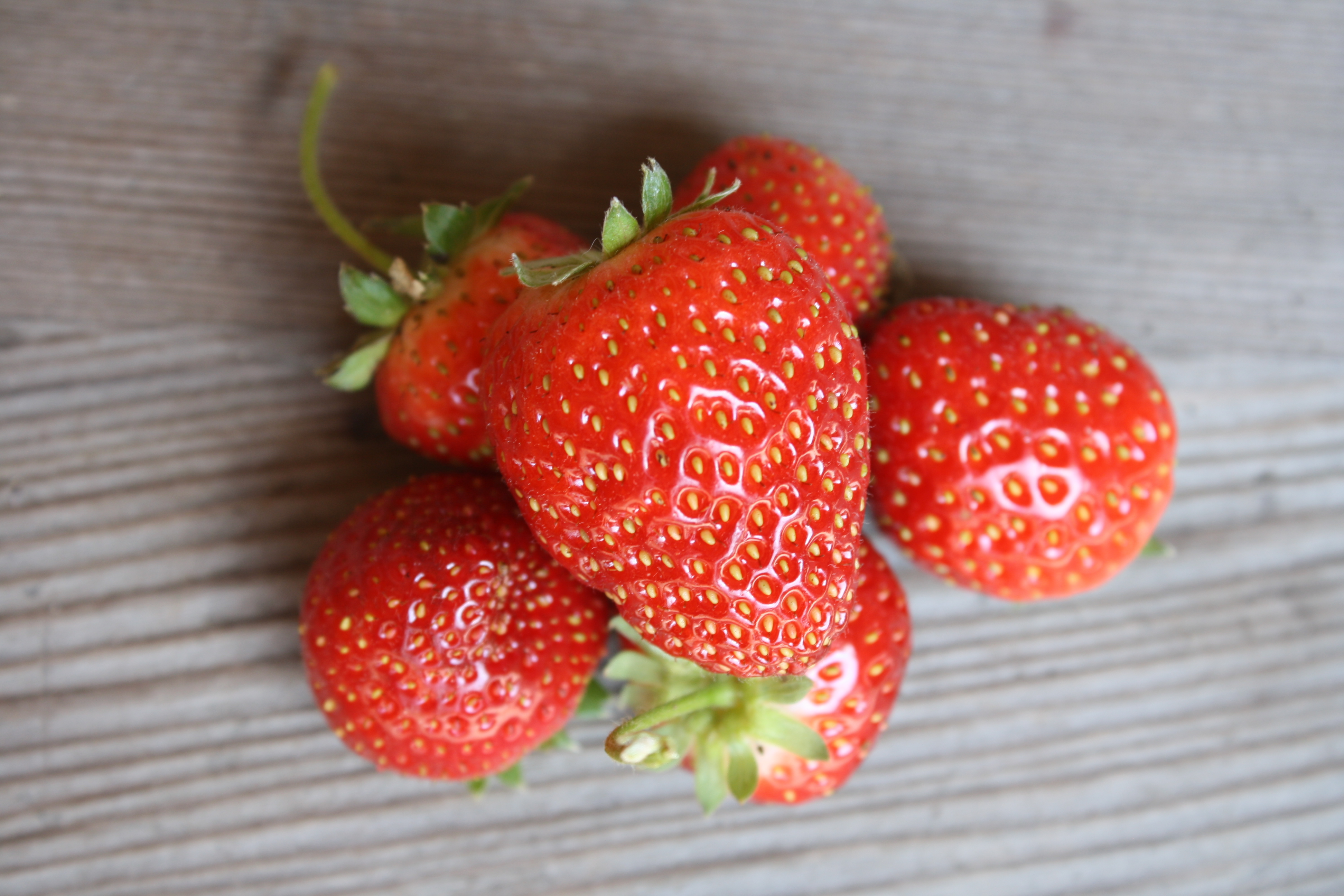
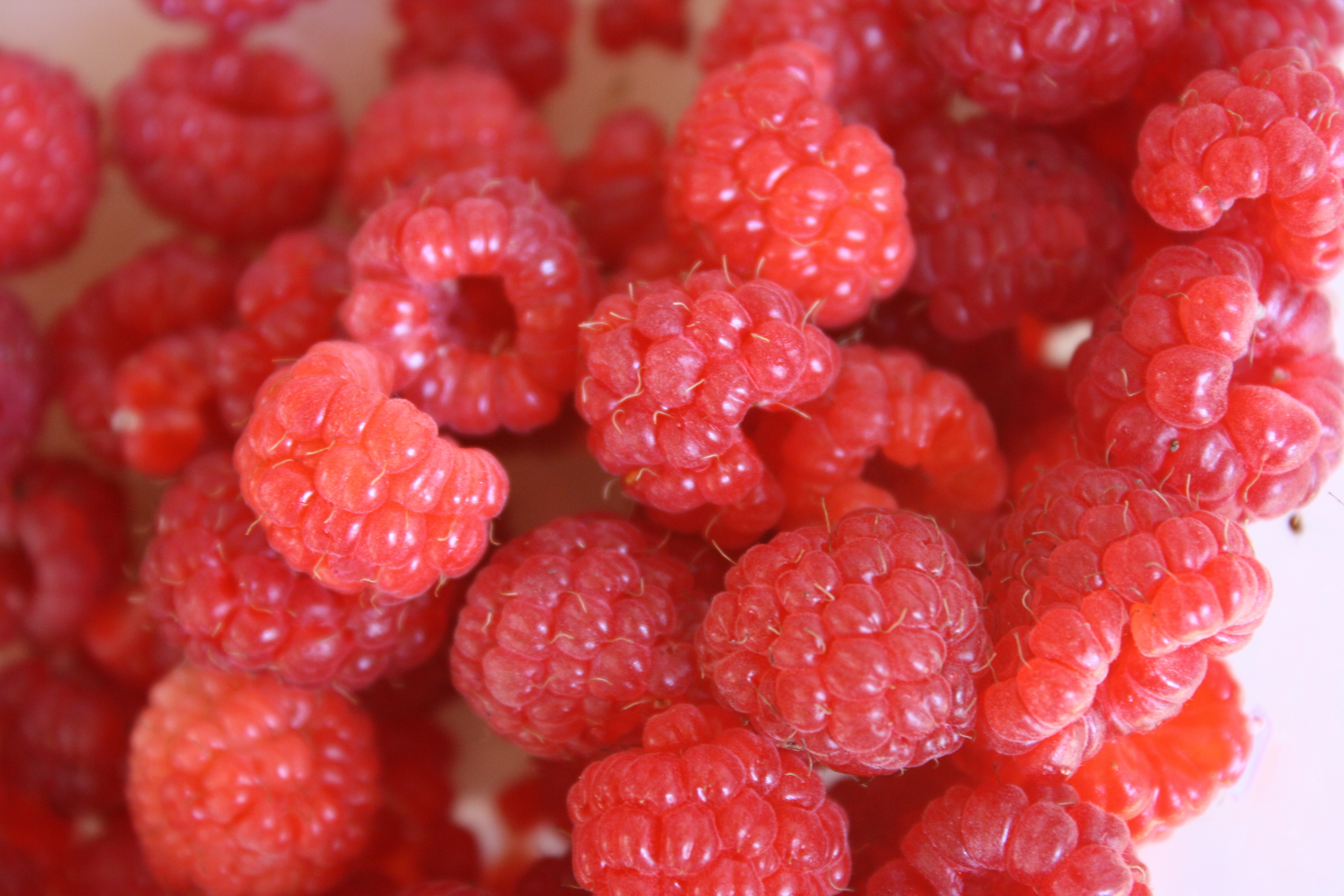
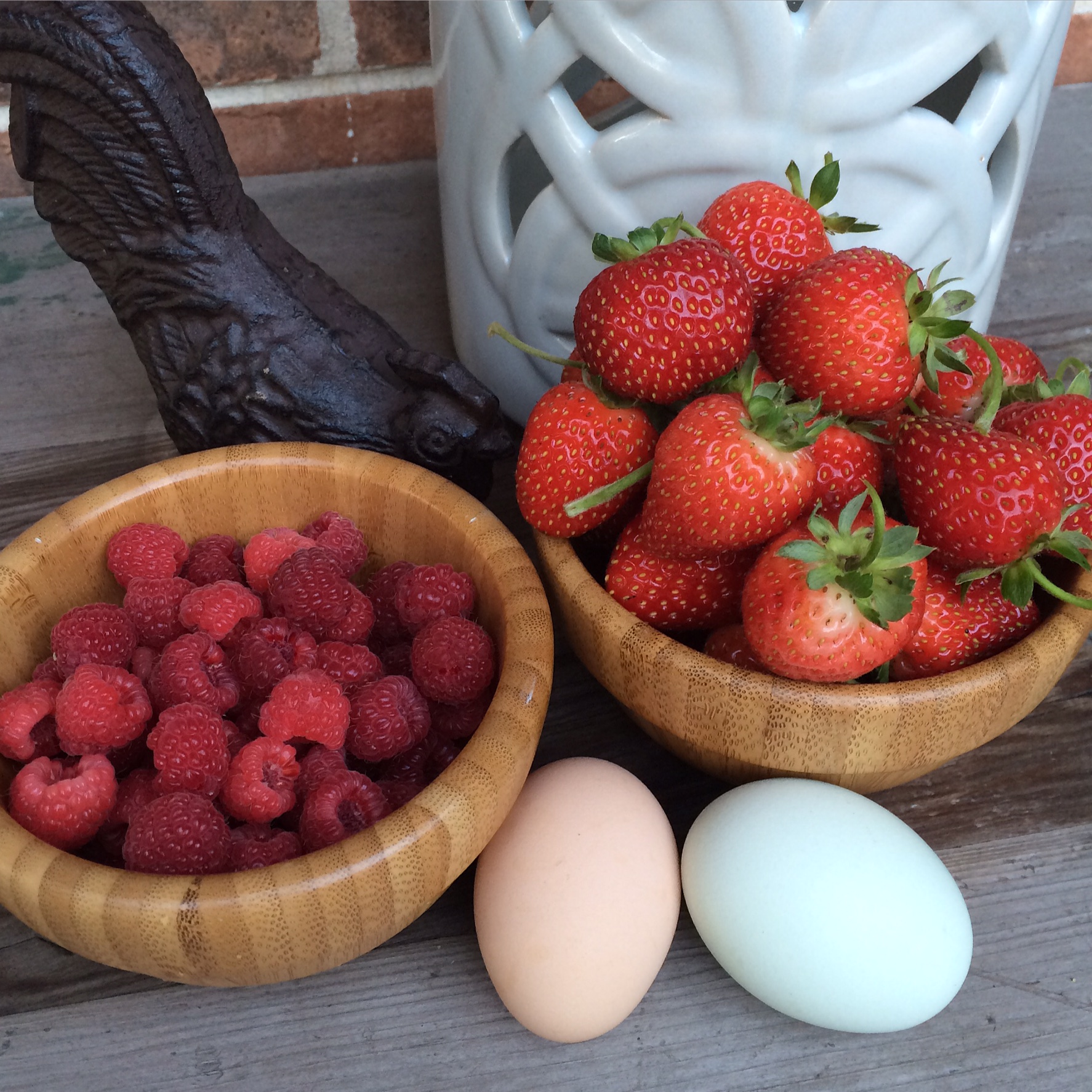
We are so incredibly fortunate to still be in the midst of our second round of berries.  This has been a truly prolific year for us and berries.  Yum.


What I’m In To

It is been a very, very long time since I have written a What I’m In To post, so I thought today would be as good a time as any to just dive right in.  So, on this Tuesday following Labor Day, I’m in to

IMG_1071

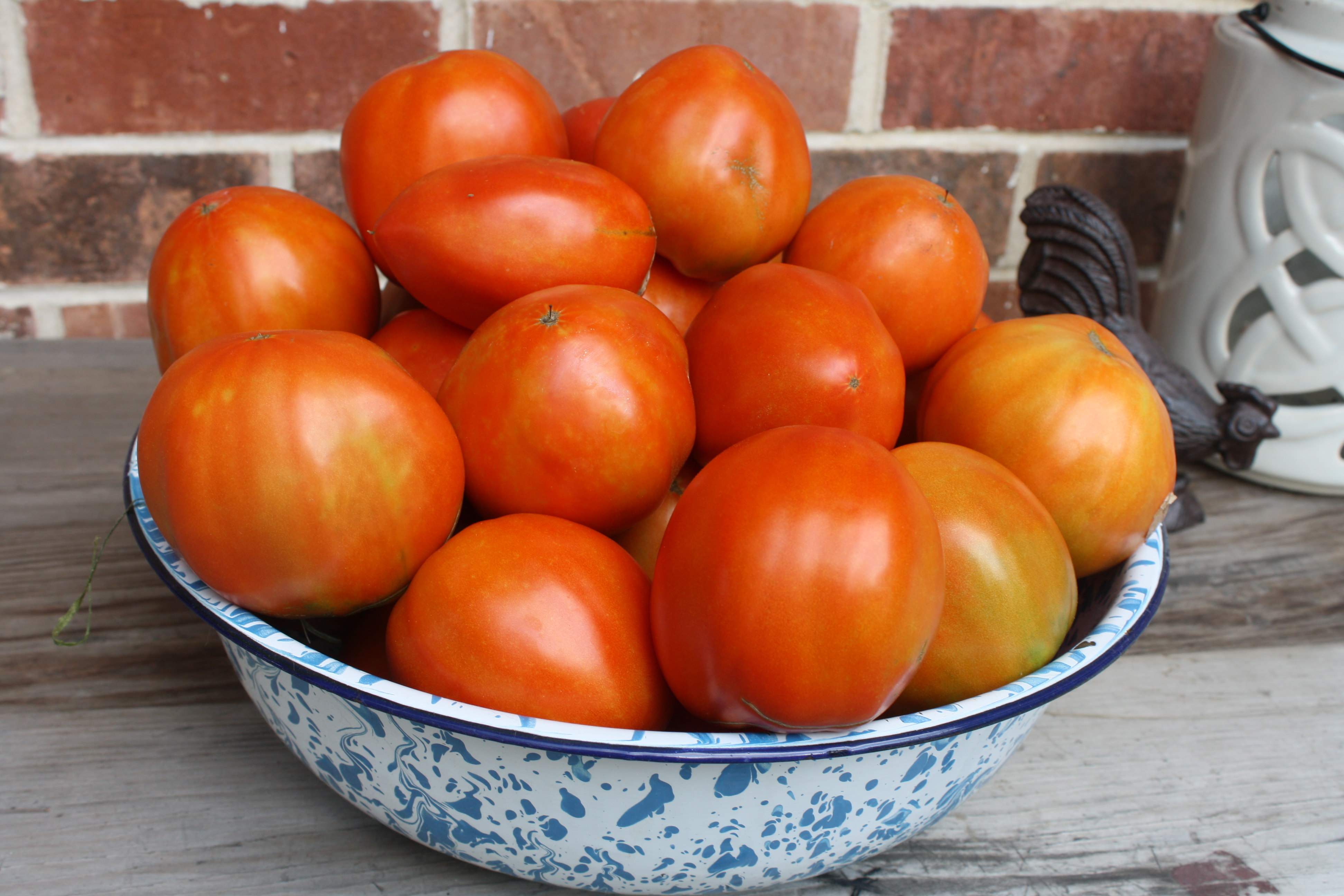
…tomatoes.  I am literally surrounded by these ruby orbs of goodness.  They are currently covering every horizontal surface of my kitchen, and this is after I spent all of Sunday (and Sunday evening) roasting and canning over 10 quarts worth.  I always get a bit overwhelmed by our tomatoes at this time of year, but I just keep trying to keep perspective.  And I know I do love the taste of summer during those snowy February days.  So for now, I am trying my best to keep my head above the proverbial tomato-filled water.

…ordering a great deal of this coconut oil.  About 5 months back I experimented with creating a vegan cold-pressed soap recipe, and it actually turned out amazing.  In about a week we plan to whip up some more of this soap in preparation for the Christmas gift-giving season.  I cannot wait to share this recipe with you!
All the Light We Cannot See by Anthony Doerr.  Do you know how there are those rare books that hold you in their grasp from the moment your eyes hit the first page?  This is that kind of book.  Unbelievable.

…lemon verbena and lemon balm.  These two herbs are new to our garden this year and they have completely taken off.  They are fragrant and delicious, but also very beneficial for our health.  After listening to Rosemary Gladstar speak two years ago at The Mother Earth News Fair, I wanted to grow these two herbs.  So this past winter I bought her book Herbal Recipes for Vibrant Health, found so many wonderful recipes for these two herbs within its contents, and now have the scent of lemon wafting in our nostrils every time we set foot in our herb garden.

…my husband’s new Vitamix.  Actually, this statement is false.  I am not only into my husband’s new Vitamix, but I am in love with it.  In.  Love.  My girls and I have created a new smoothie that we make every morning, using this new kitchen gadget.  We call it the “Hulk Smoothie” because it is bright (I mean bright) green.  For this smoothie we use a splash of pineapple juice, 2 oranges, a large handful of kale, one avocado, a few spoonfuls of hempseed hearts, a large handful of cilantro, lime juice, stevia and ice.  Amazing.  (Oh, and I also love, love, love my stainless steel straws that go perfectly with our Hulk Smoothie, or all smoothies for that matter.)
…being back in this blogging space each week.  Thank you so much to each of you for reading today, and everyday.


Dietmeier Apple Pie

Every time we gathered at my grandparent’s house in southwestern Wisconsin, homemade apple pie could be found at the center of the dessert table.  (Yes, there was always a dessert table.  It was amazing.)   My grandma and grandpa took turns making this family favorite, but it always tasted the same:  deliciously tart, yet creamy, with a hint of cinnamon underneath a crunchy sugar-layer.  To me, this pie is the quintessential fall dessert, and now that we have made the first one of the season, it seems that fall is truly being ushered in.

(The pie recipe is the same as my peach pie recipe that I shared here, and I hope you enjoy this recipe as much as you did the last.)

IMG_0953 IMG_0956 IMG_0963

Dietmeier Apple Pie

I make my own crust (recipe found here).  Place the crust in a pie plate (I love using this Stoneware pie plate because it does not burn the crust, and it looks great table side.)  Then I fill the crust with tart sliced apples.

Add about 10 tiny dollops of butter on top of the apples.  Then create a mixture of 1 cup sugar, 4 tablespoons flour and 1 teaspoon cinnamon.  Scoop this mixture over the apples and butter so the entire pie is coated.  Then add just a touch (about 1/4 cup) of water to the pie.  (Just sprinkle it over the top of the sugar mixture.  This creates a delicious custard-like consistency when it bakes.  Bake at 400 degrees for 15 minutes and then reduce the heat to 325 degrees and bake for an additional for 45 minutes.  Allow to rest at least 30 minutes before serving.
Enjoy!

*A note about all my recipes: I use all organic ingredients, local when available. I use non-homogenized milk, and all of the dairy we use is from animals raised on pasture. I also use oils that are non-GMO verified. All our meat is raised locally on organic feed, and our beef is grass-fed, grass-finished. All our spices and cane sugar are fair-trade certified and purchased through a cooperative.

Late August In the Garden

IMG_0856

IMG_0405 IMG_0888 IMG_0854 IMG_0853 IMG_0872 IMG_0954 IMG_0966

As summer wanes, and the expansive days of summer fade before our eyes, I am beginning to feel that same briefness in the garden.  While we still have a great deal coming out of our garden, and the tomatoes are finally beginning to come along, I feel a pull towards the space inside our home.  At this time of year, my body grows weary from all the hours spent out in the garden.  And while I still adore being in this space, I look forward to the days of nestling in with a cup of coffee, good book and some crocheting.  I often think this is why God gifted us with the seasons.  They allow us time to recharge our minds and bodies before venturing out again.

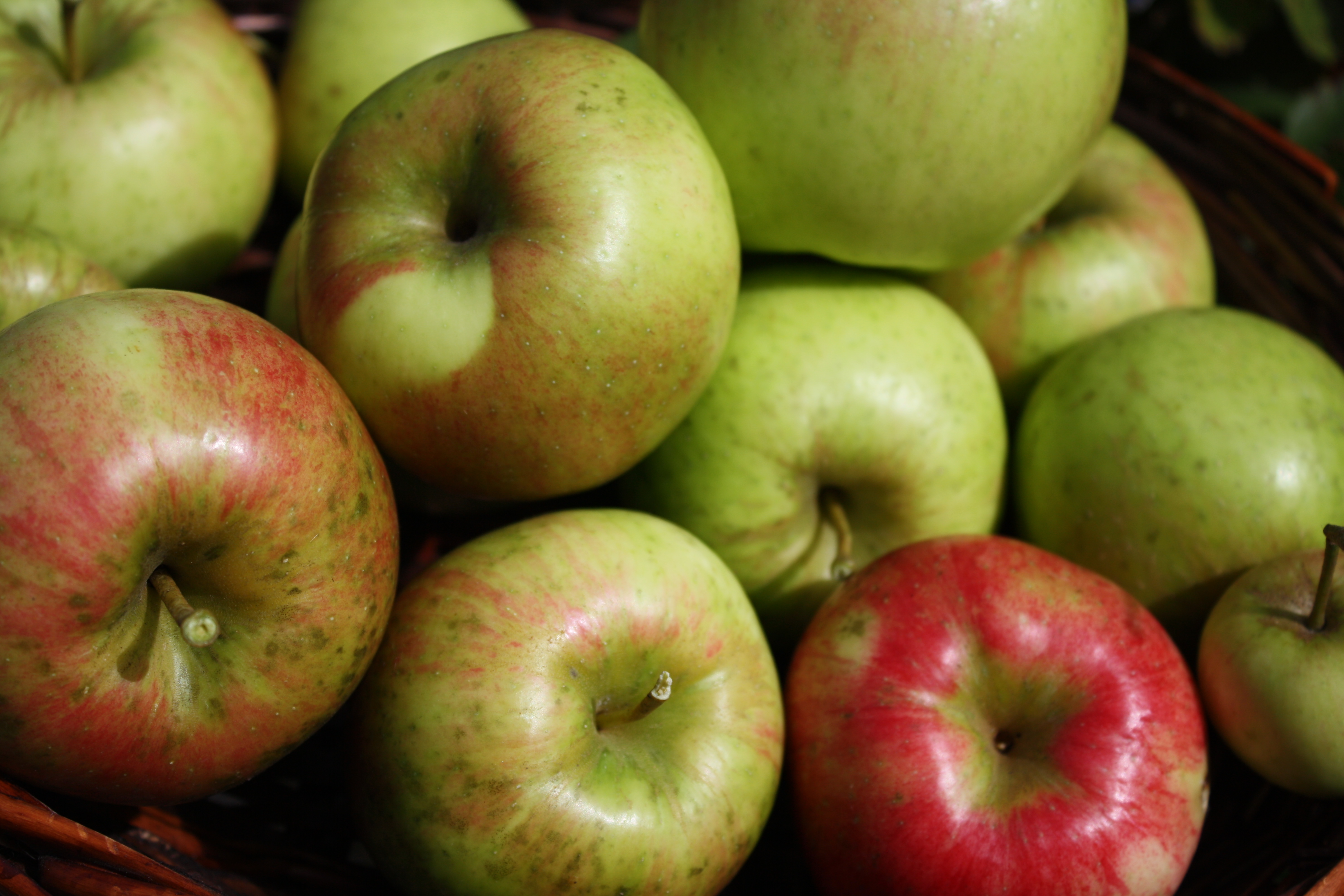
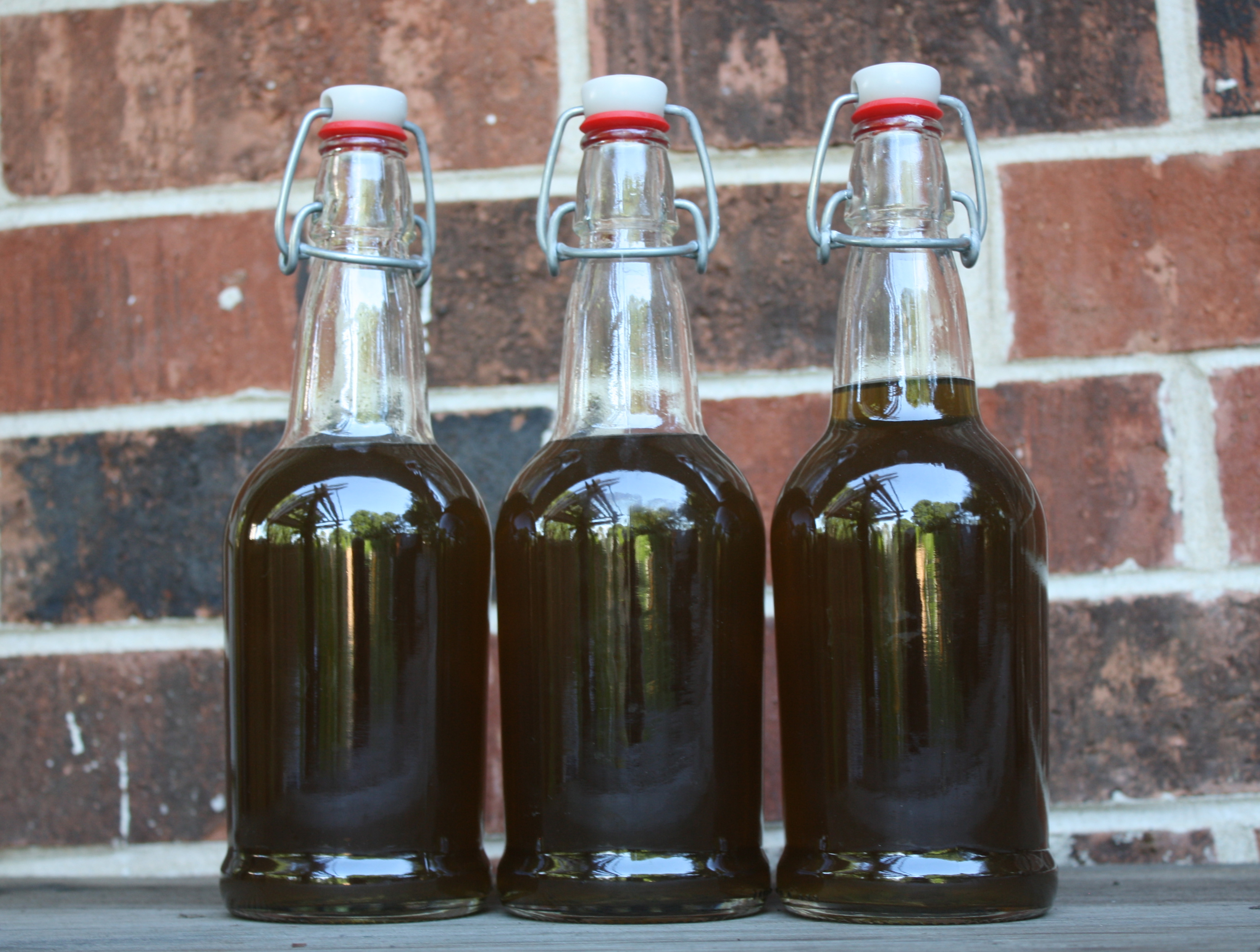
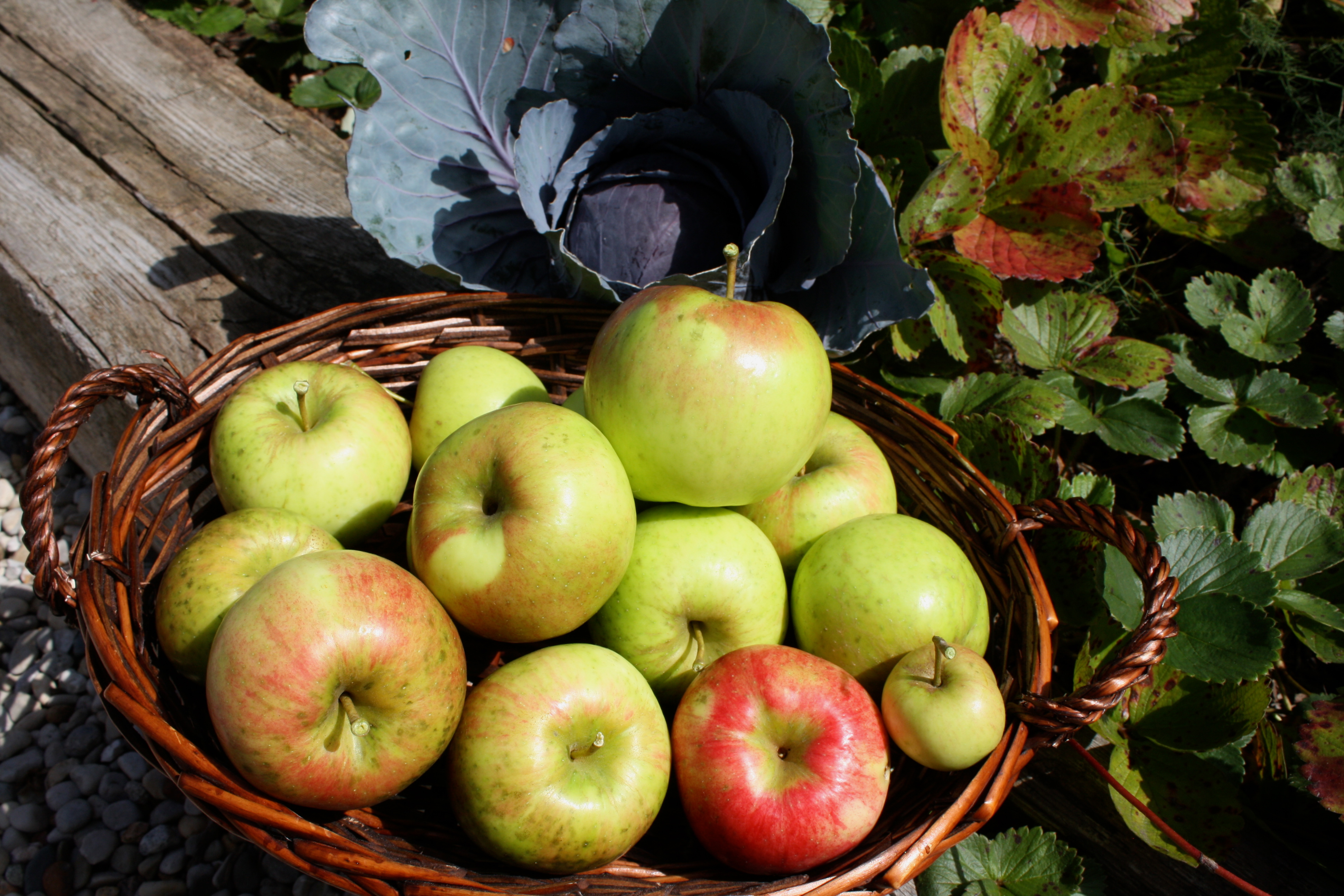
This past week in the garden has been quite bountiful.  Our second round of strawberries are still coming in the door, along with our long-awaited raspberry crop.  The tomatoes are starting to ripen and we have been eating them fresh off the vine, most of them never even making it over the threshold.  The lemon verbena liqueur that I mentioned a couple weeks back, is now completed and I look forward to the cocktails and baked goods we can make with this citrusy elixir.  More herbs are being dried, and beans frozen.  But perhaps our greatest delight of the week has been our apples.  As I shared before, the Japanese beetles have devoured the leaves of our apple trees.  We reached a point this week that there were more dead leaves than living and I feared if we didn’t pick our apples now we may lose them.  So pick we did.  And pie we made.  It was a great week in the garden.

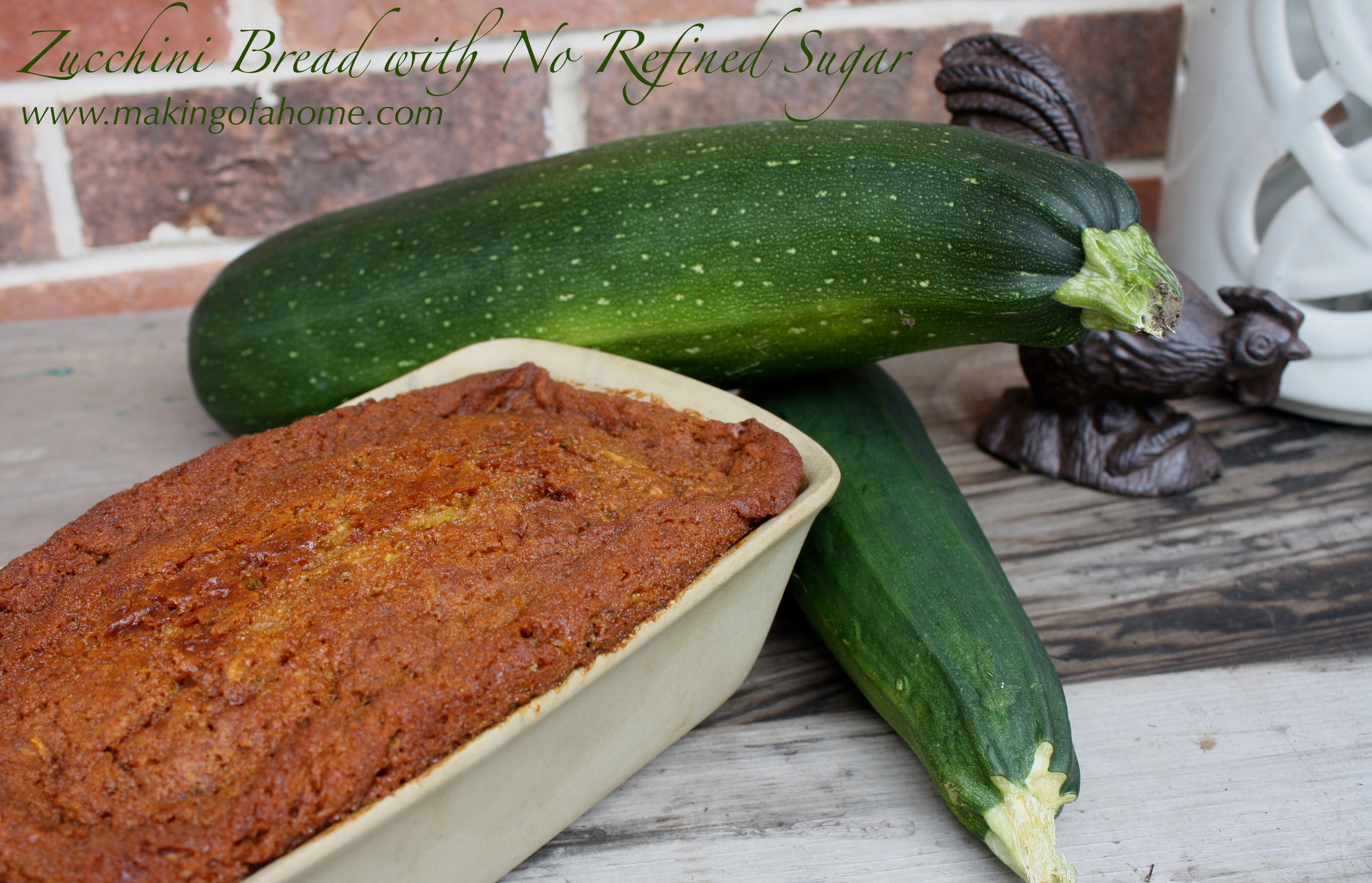
Zucchini Bread with No Refined Sugar

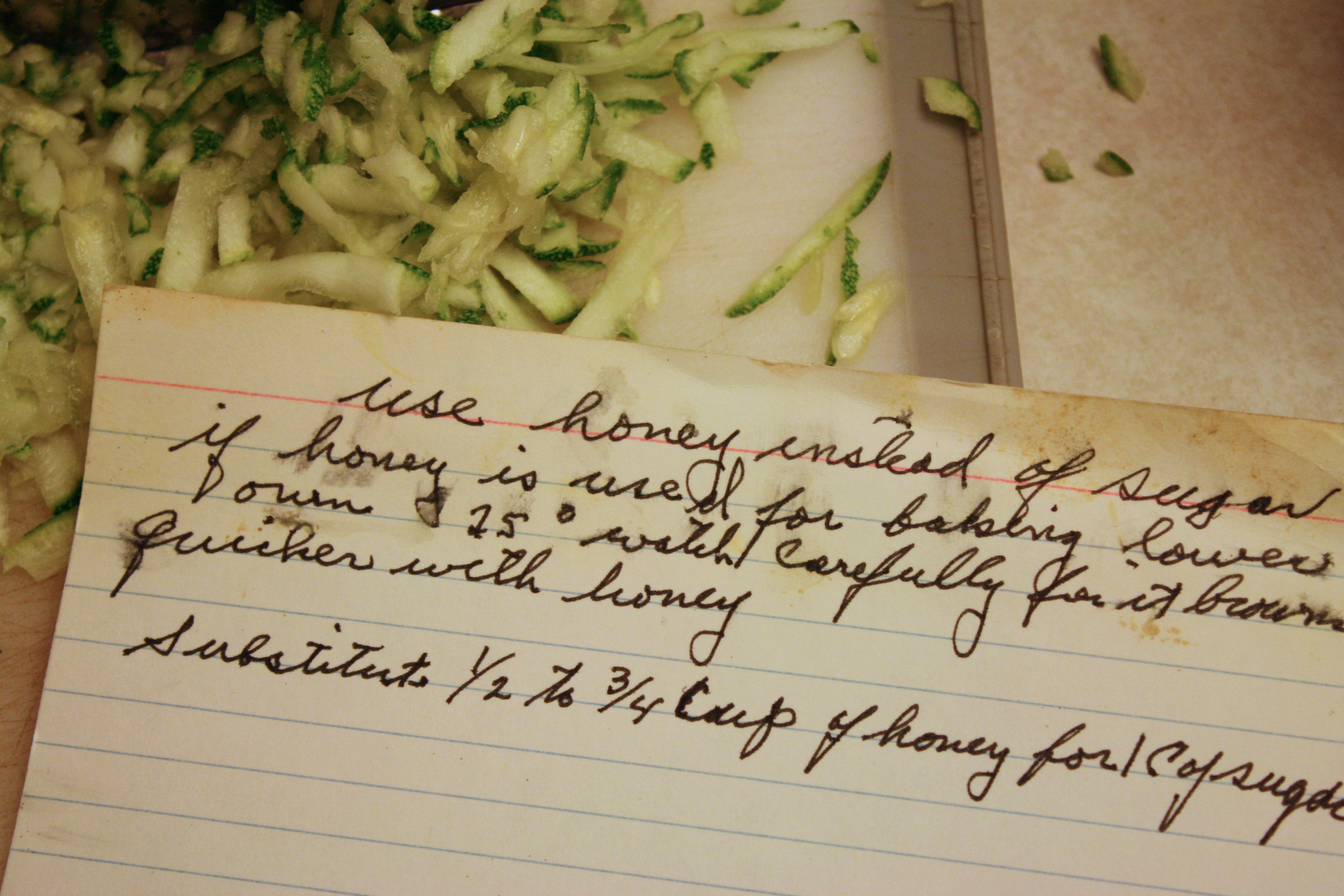
I have been playing around with local honey yet again (as I did in this post), and I am happy to say I have worked out a delicious, ambrosial zucchini bread made with no refined sugar.  A while back I shared with you that I discovered my grandpa’s old recipe box and, tucked beneath oh so many recipe cards, I found one card explaining how to replace refined sugar with honey in baking recipes.  Ever since this card’s discovery, I enjoy playing around with recipes to try to make them free of any type of refined sugars.  Sometimes the recipes work great, other times, not so much.  But I am happy to share with you today a recipe in which the sugar-replacement worked, and I think it’s pretty darn tasty!  I hope you enjoy.

IMG_0866 IMG_0867 IMG_0869

Zucchini Bread with No Refined Sugar

In a medium bowl, mix together:

1 3/4 cups flour

1/2 teaspoon nutmeg

1 teaspoon baking soda

1/2 teaspoon cinnamon

Set this dry mixture aside.  Then in a large bowl, whisk together:

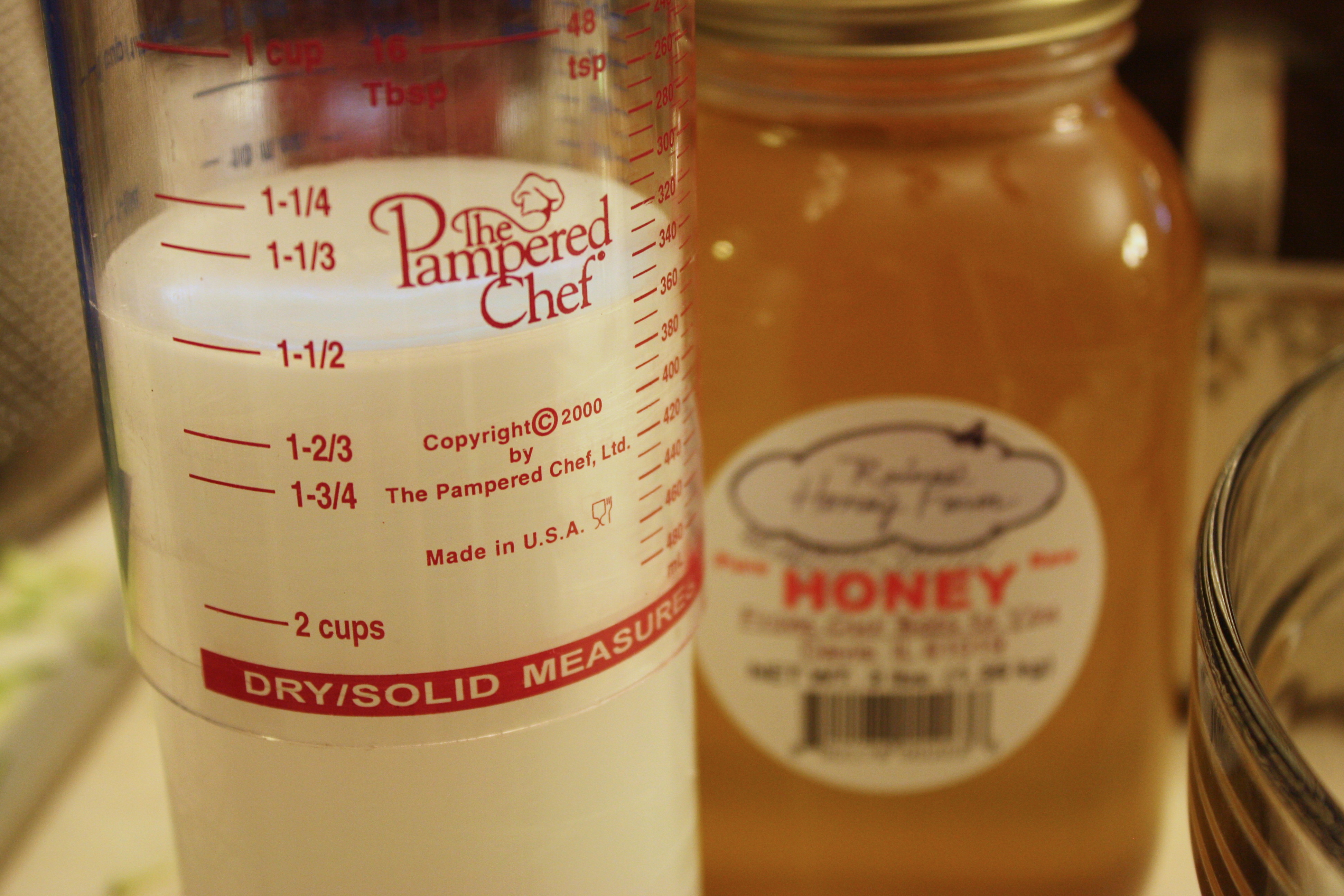
1 1/4 cups honey (I love using this great measuring cup when baking with honey because it allows me to use honey, but not have the sticky mess that normally results when doing so.)

1/2 cup canola oil

2 eggs

1 teaspoon lemon juice

1 to 1 1/2 cup(s) grated zucchini

Next, mix the dry mixture into the wet mixture.  Pour into a greased loaf pan.  (For baked goods like breads and muffins I love using the Pampered Chef Stoneware because the yummies not only bake up great, but it allows for toxin-free baking and the pieces are made in America.  For this recipe, I use this Stoneware Loaf Pan.)  Bake in a 325 degree oven for about one hour, or until a toothpick inserted into the center of the loaf comes out clean.

*Honey tends to burn faster than refined sugar.  For this reason, your bread may brown on the top before the inside is fully cooked.  If you notice this happening, simply cover the top of the bread with foil and then continue to bake.  This will help to prevent further browning on the bread’s top.

Enjoy!

*A note about all my recipes: I use all organic ingredients, local when available. I use non-homogenized milk, and all of the dairy we use is from animals raised on pasture. I also use oils that are non-GMO verified. All our meat is raised locally on organic feed, and our beef is grass-fed, grass-finished. All our spices and cane sugar are fair-trade certified and purchased through a cooperative.

Mom’s Summer Cucumber Salad

IMG_0862

From the time my mom was given her diagnoses, her constant mantra was, “Please make sure you continue to tell our stories.” It was so very important to her that the stories of our family remain alive in our hearts and continue to be told and retold, even after she was no longer with us. During one of my vigils by my mom’s bedside, I assured her that I would indeed continue to tell her stories.   I assured her I would not only share them with my girls, but with anyone and everyone who would listen. Because it is in our sharing of stories that I believe we truly get to know one another, and strengthen the bond that brings us all together in this great big world of ours. And to be honest with you, so many of my memories and stories seem to revolve around the sharing of food while sitting at a table with those we hold dear to us. I have loved sharing my family’s food stories in the past in this blog space, and it is my absolute pleasure to continue. Today I am thrilled to share with you the story of my mom’s summer cucumber salad.

While growing up, when the days seemed to stretch on forever, my sister and I felt compelled to stay outside all day long, riding bikes all over our neighborhood. It wasn’t until the sky began to turn rosey in the west that we would finally venture home, red-faced and exhausted. We would walk into the house, greeted by a cool blast from the air-conditioner, and find my mom setting the table in the kitchen. On these types of hot nights, instead of heating up the kitchen with lots of pots and pans on the stove and in the oven, my mom would always have a series of cool, fresh dishes waiting for us. My very favorite of these dishes was my mom’s cucumber salad. It was always so cool and creamy, yet tangy and fresh. It just tastes like summer.

Mom’s Summer Cucumber Salad

4-6 medium cucumbers

1 white onion

1 cup sour cream

¼ cup apple cider vinegar

1 teaspoon dill weed

salt and pepper to taste

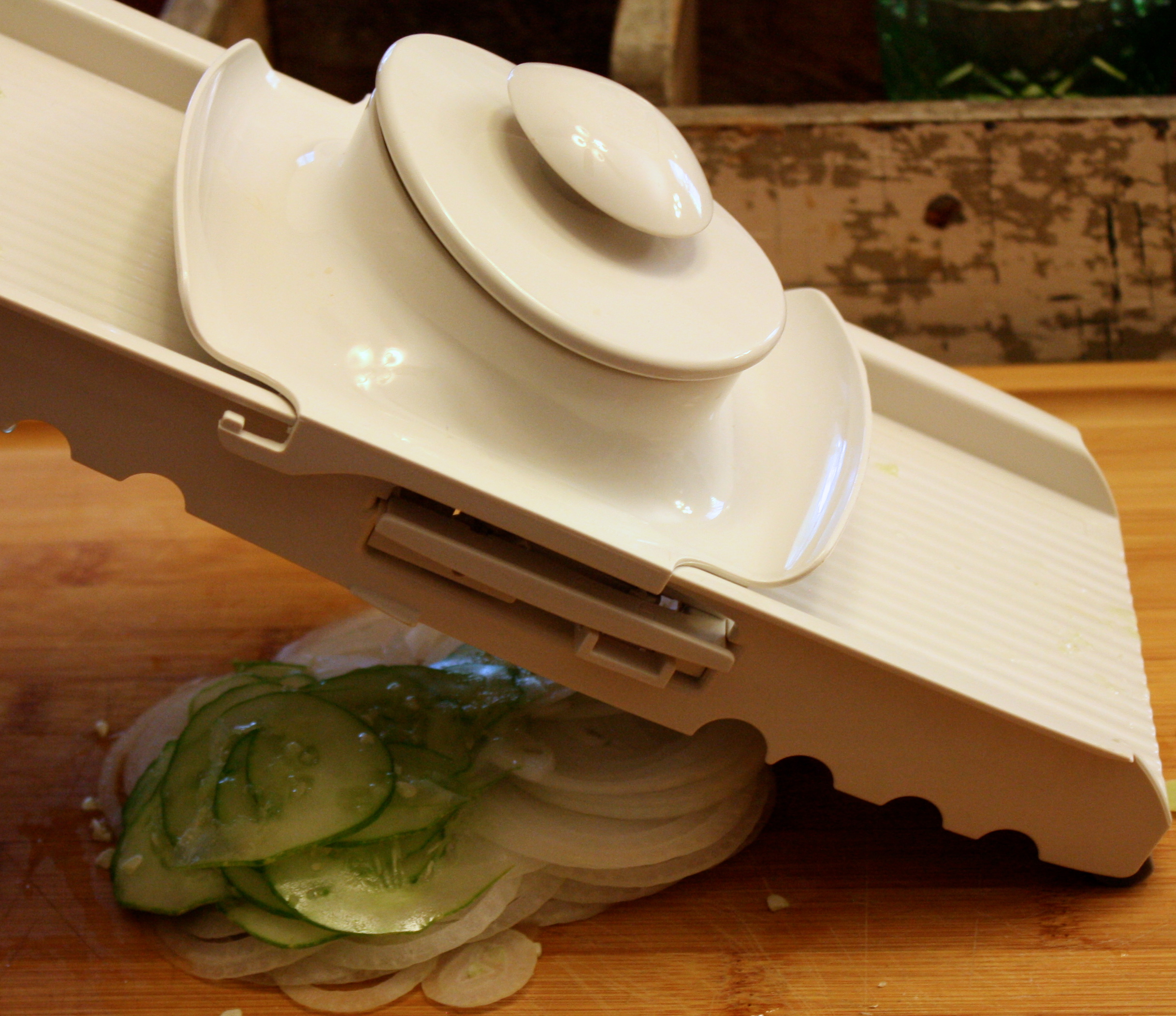
Whisk together the sour cream, apple cider vinegar, dill weed, salt and pepper. Thinly slice the cucumbers and onions. (I use mandoline to accomplish this task because it leaves you with thin, consistently-cut produce.) Pour the sour cream/vinegar mixture over the cucumbers and onions. Mix until combined. Refrigerate until ready to serve. Enjoy!

IMG_0843 IMG_0860

In the Garden

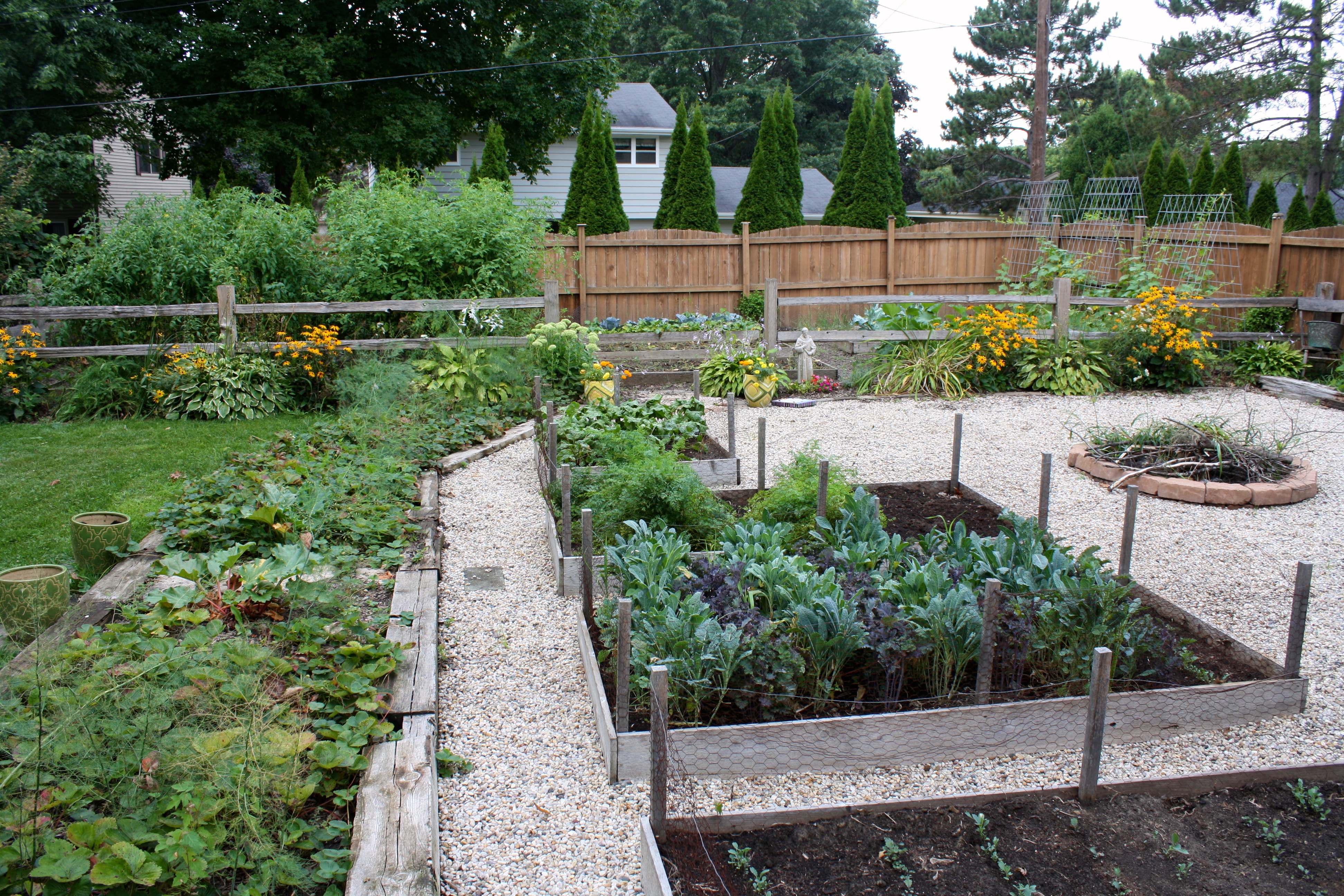
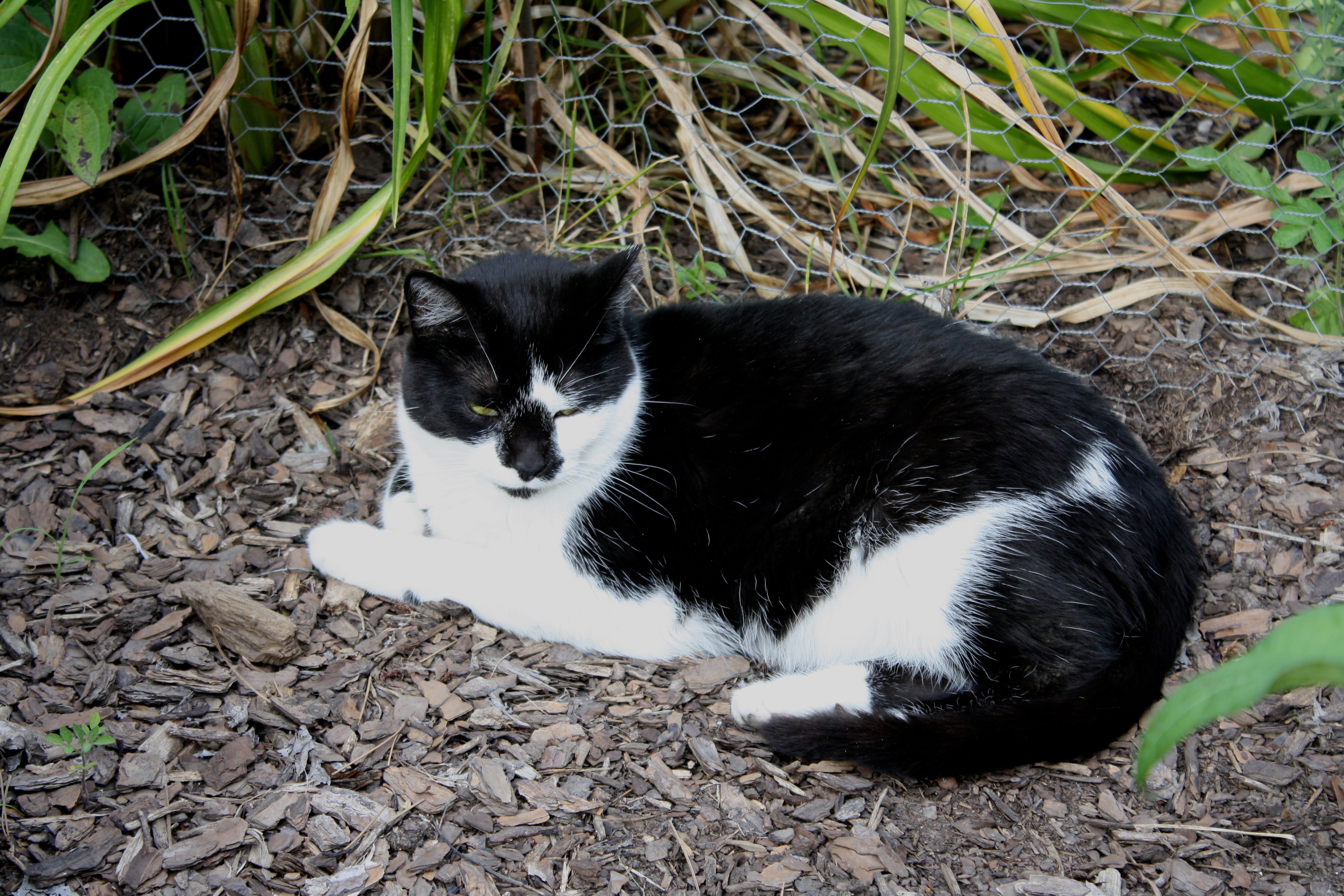
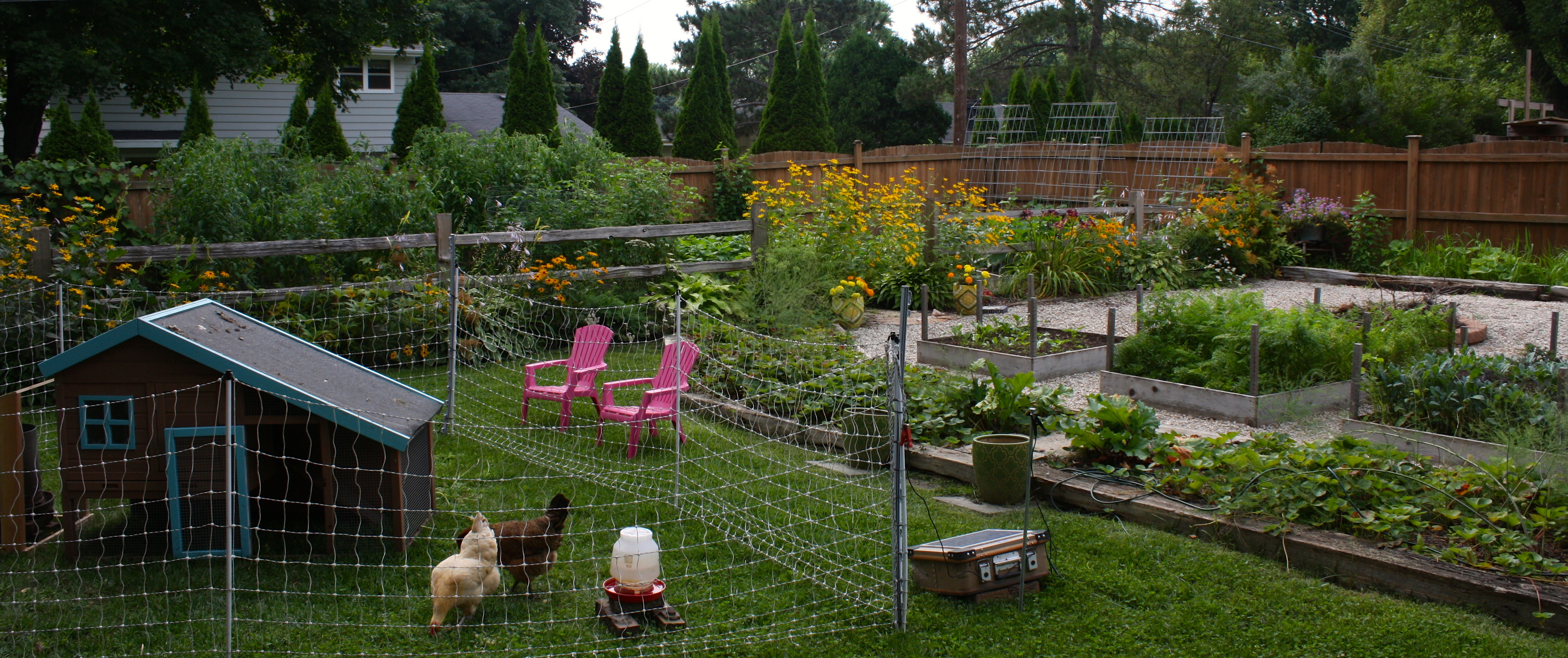
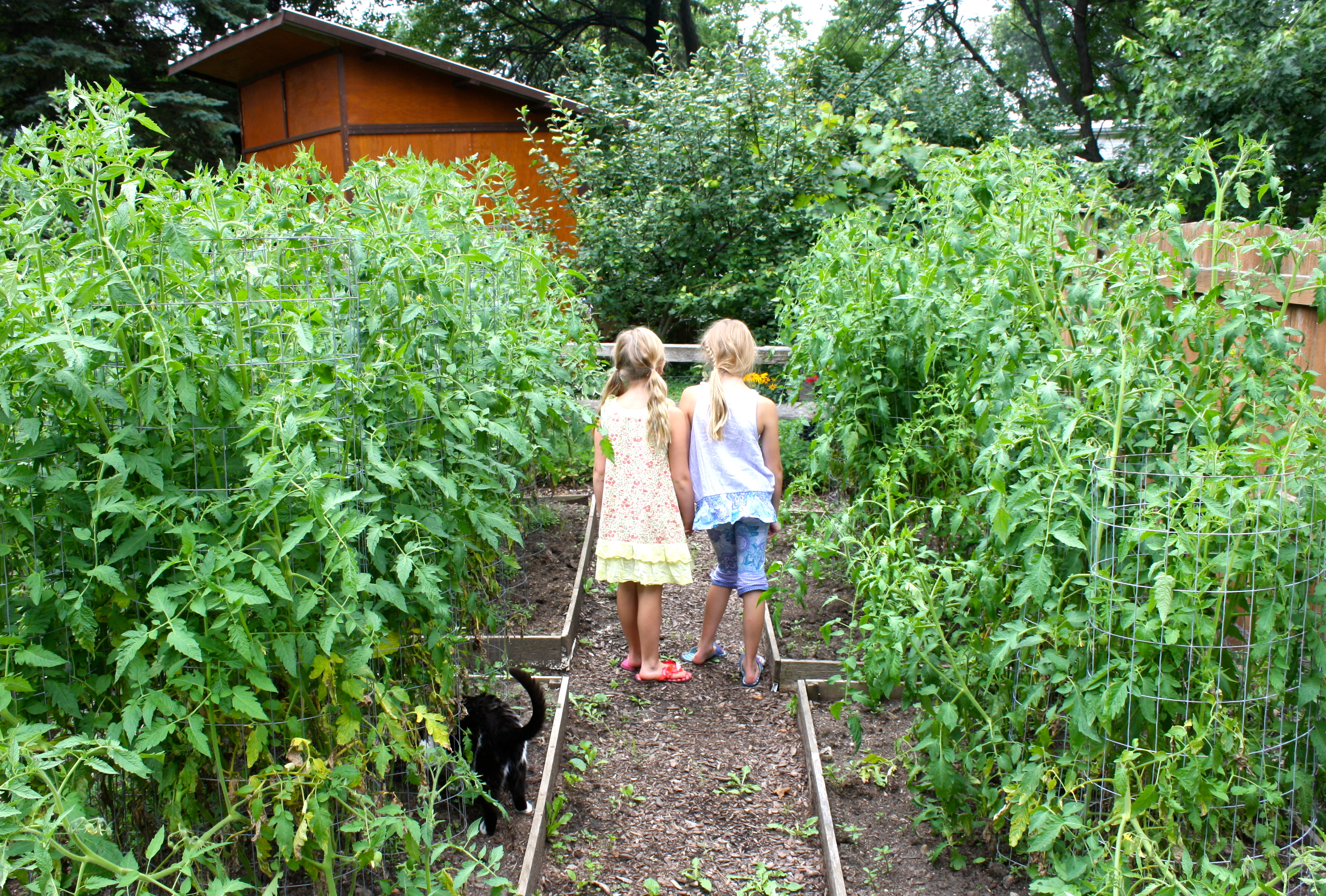
It’s August!  This means we have entered the jungle-phase of the gardening season.  In order to move about the garden, one must weave in and out of the labyrinth of branches and vines.  And while doing so, one may come across our cat sleeping amongst the beans, or perhaps a groundhog who has found his way into our tomatoes.  (Talk about a bit of a fright when not expecting that guy.  Oh boy.)

IMG_0771 IMG_0757 IMG_0758 IMG_0759IMG_0756 IMG_0769

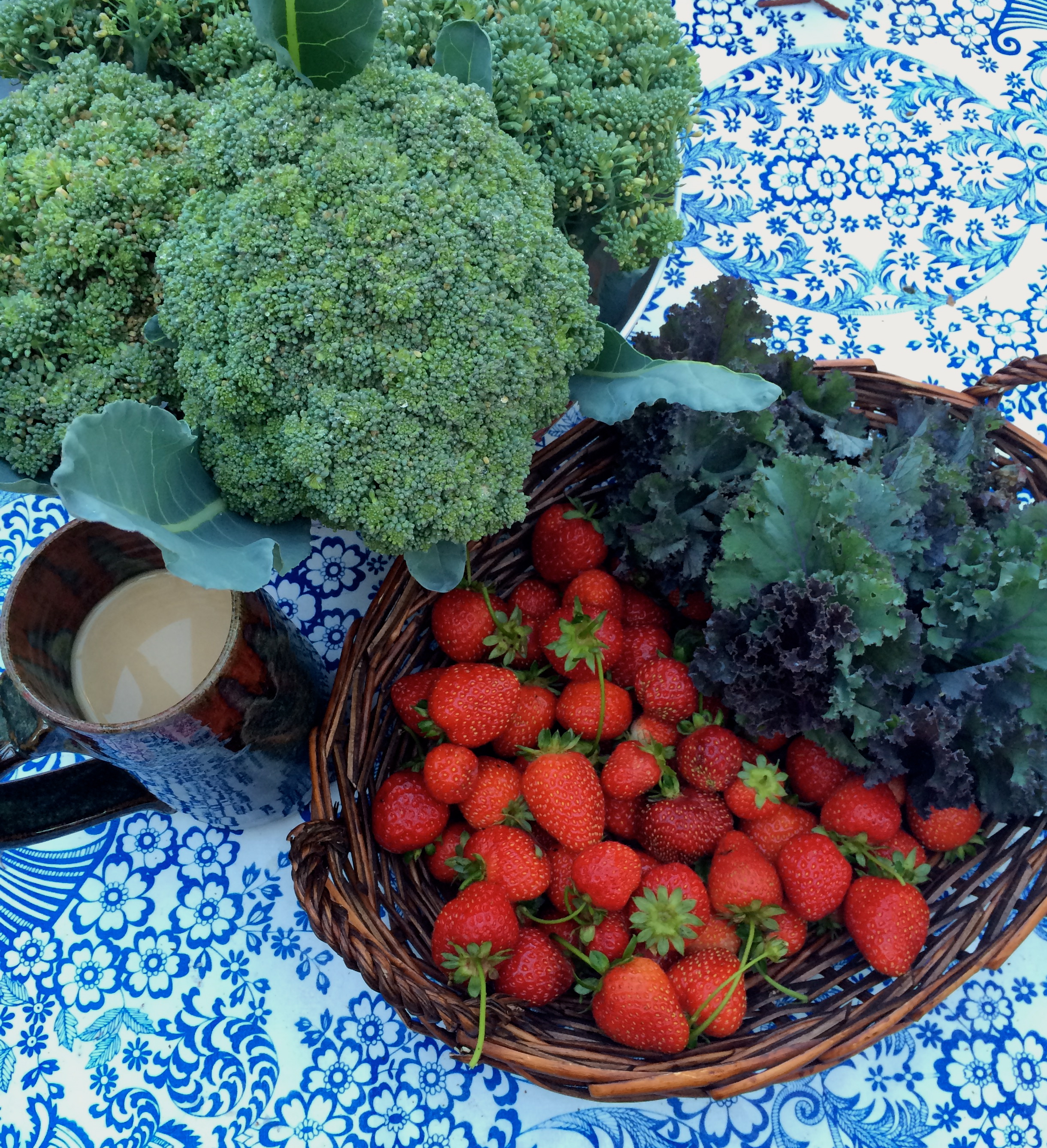
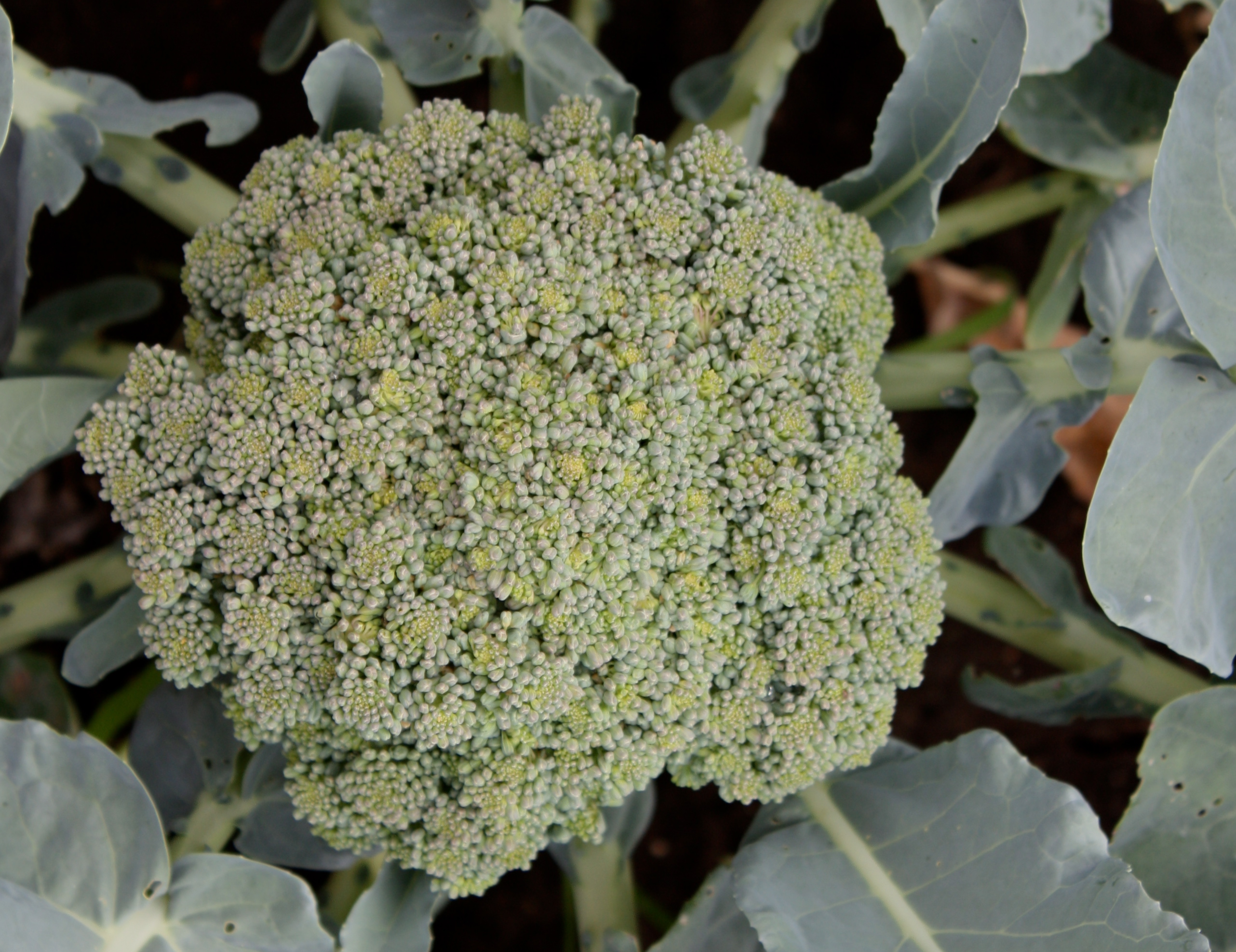
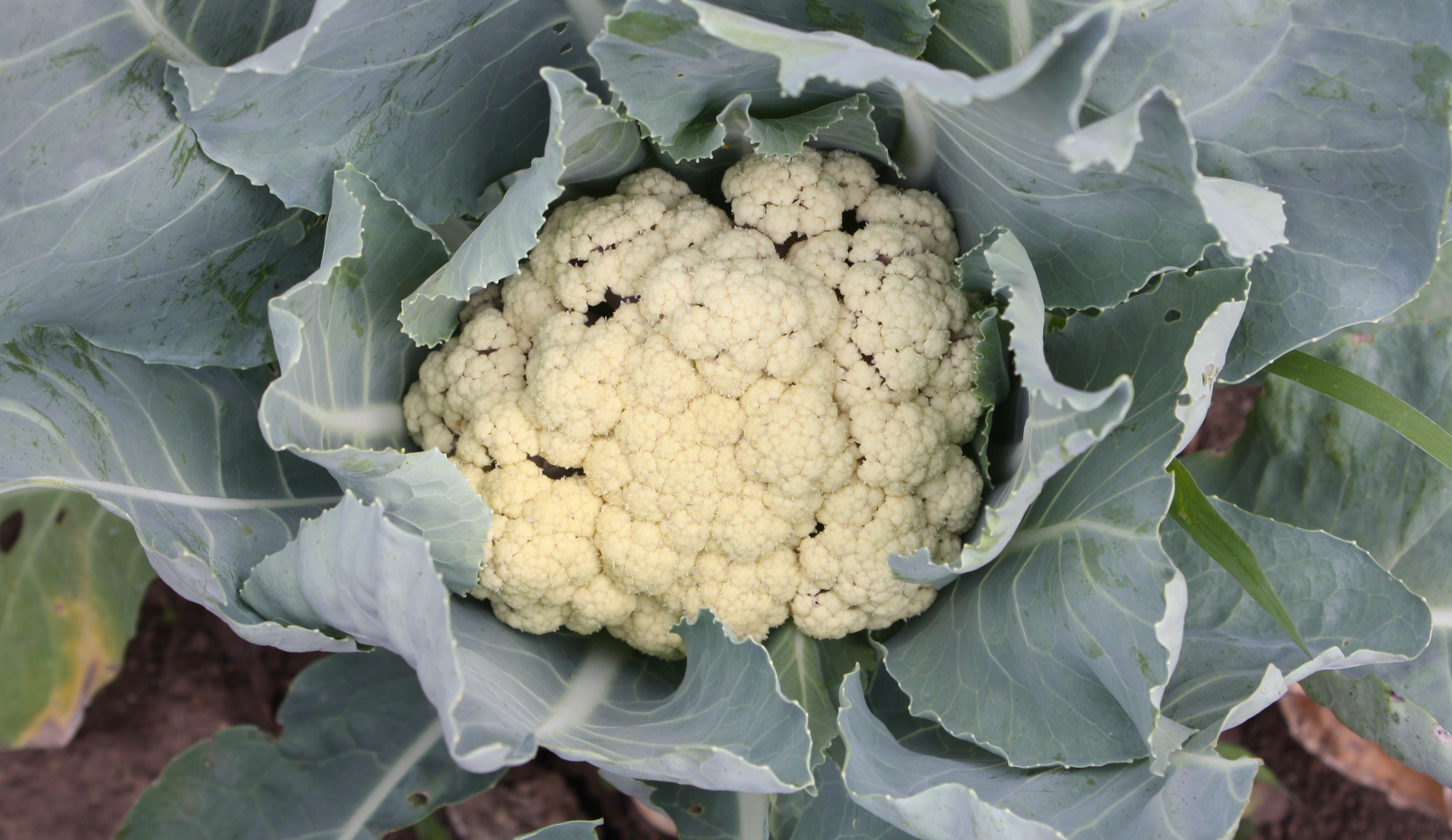
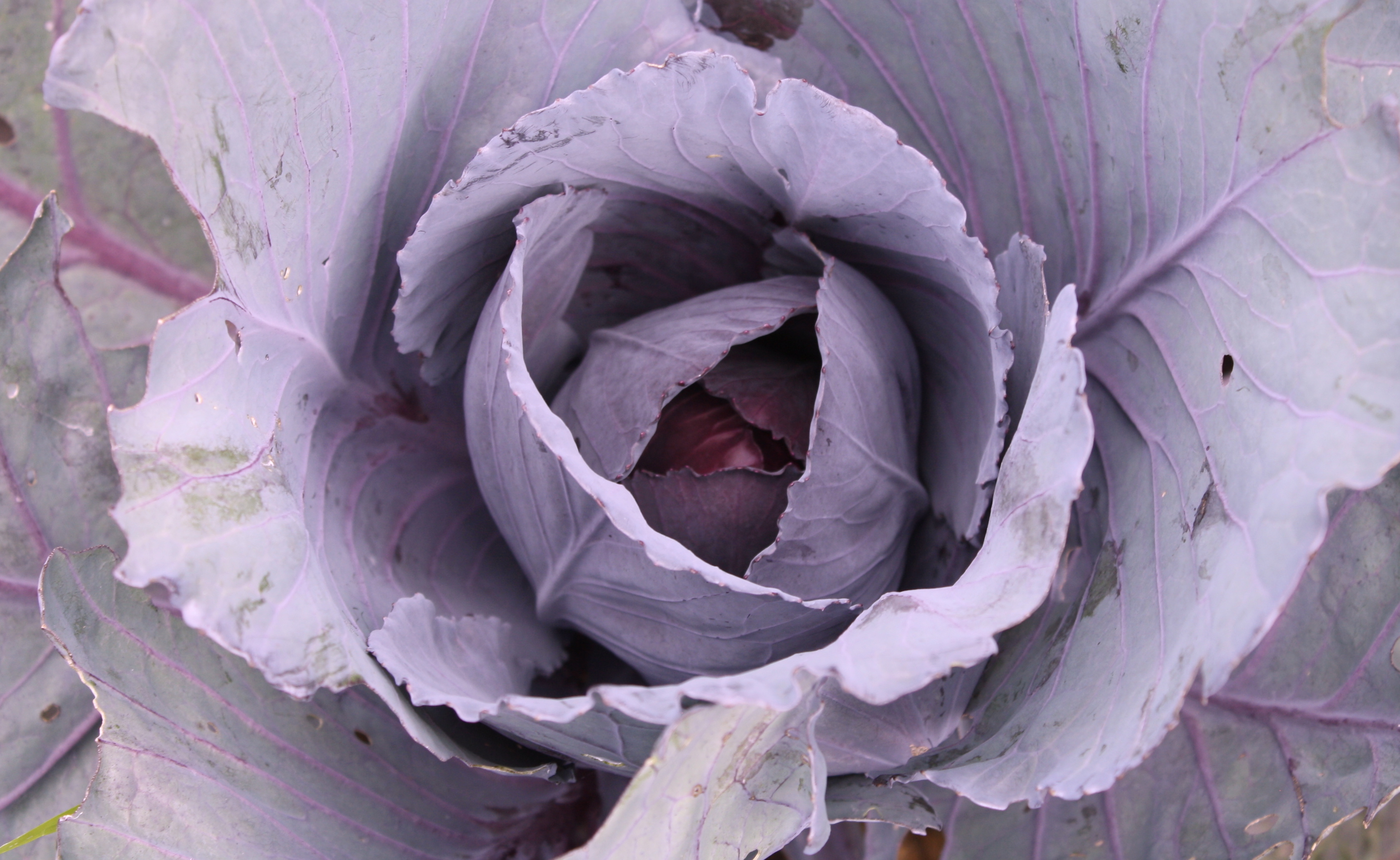
But amongst this tangle of vegetation there is a great deal happening, and our kitchen is finding itself brimming with our garden’s bounty.  The tomatoes have now grown taller than me (and standing at 5’11” that is saying something), and for the first time EVER we have been able to grow broccoli, cauliflower and cabbage!  We planted ever-bearing strawberries two years ago and we are now reaping the rewards of an amazing second round of these lovelies.

IMG_0815 IMG_0822

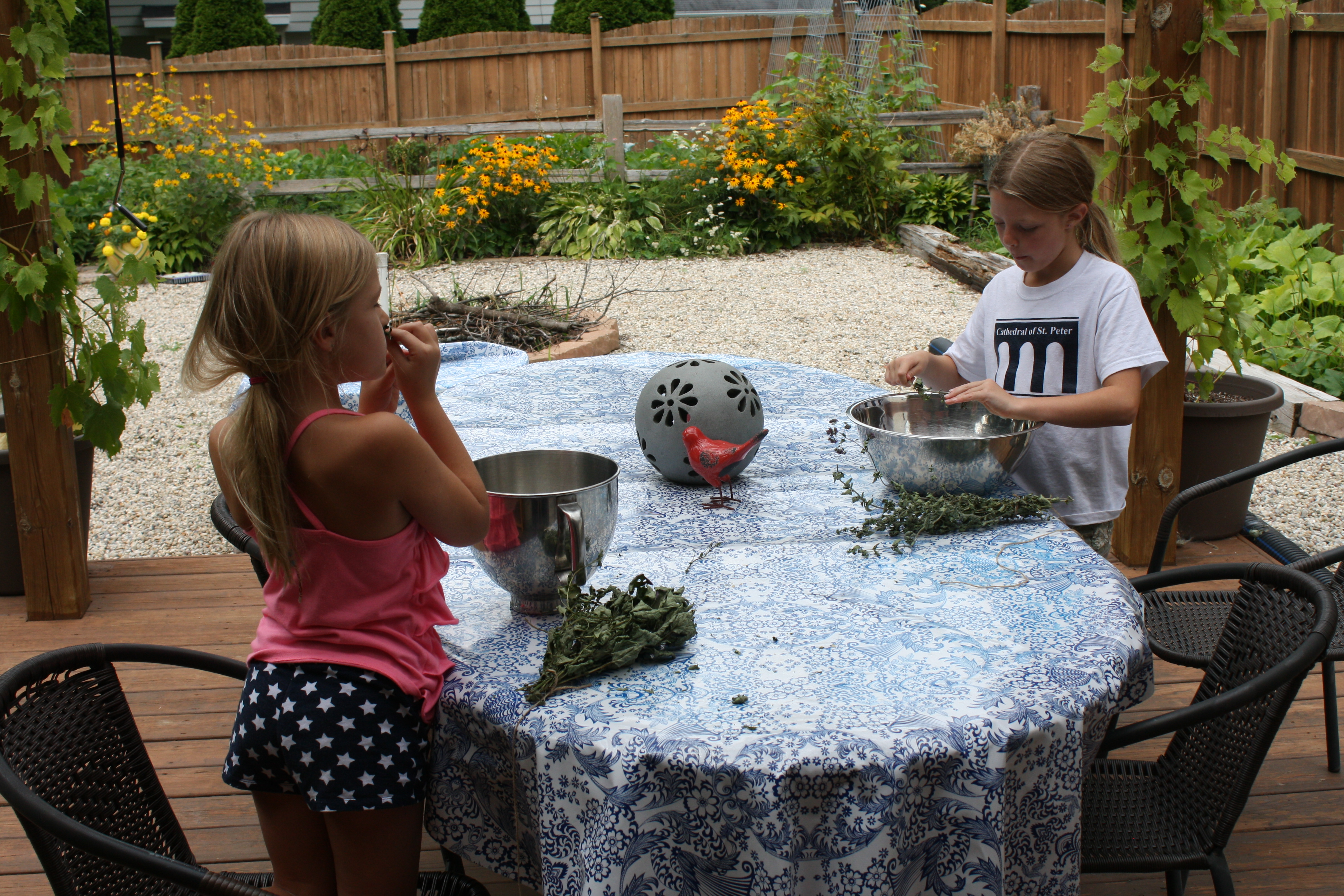
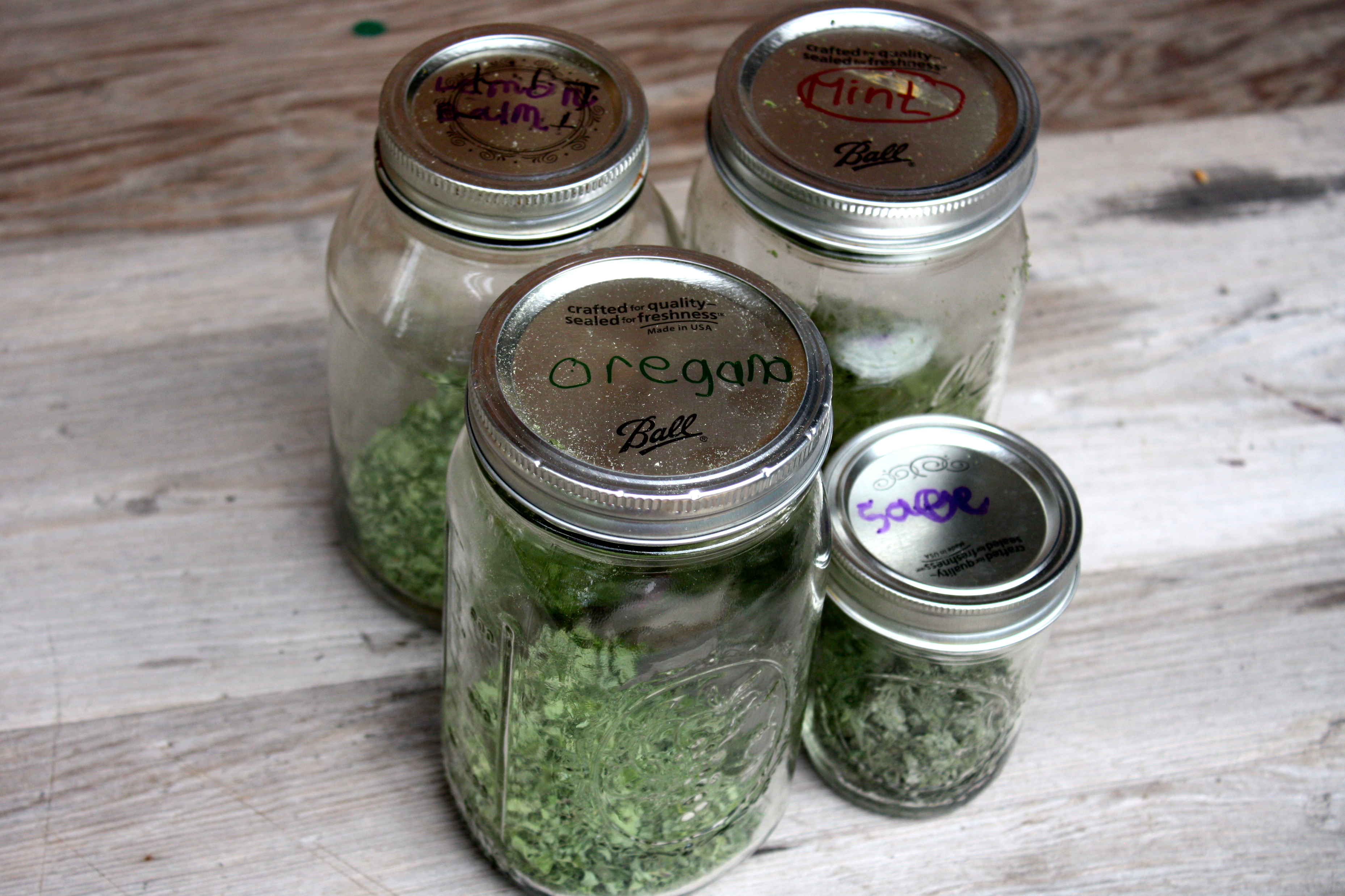
A few weeks back, as I mentioned in this post, I hung some herbs to dry.  This week my girls helped to take the leaves off these dried plants, grind them by hand, and then can them for the winter months.

IMG_0744 IMG_0747

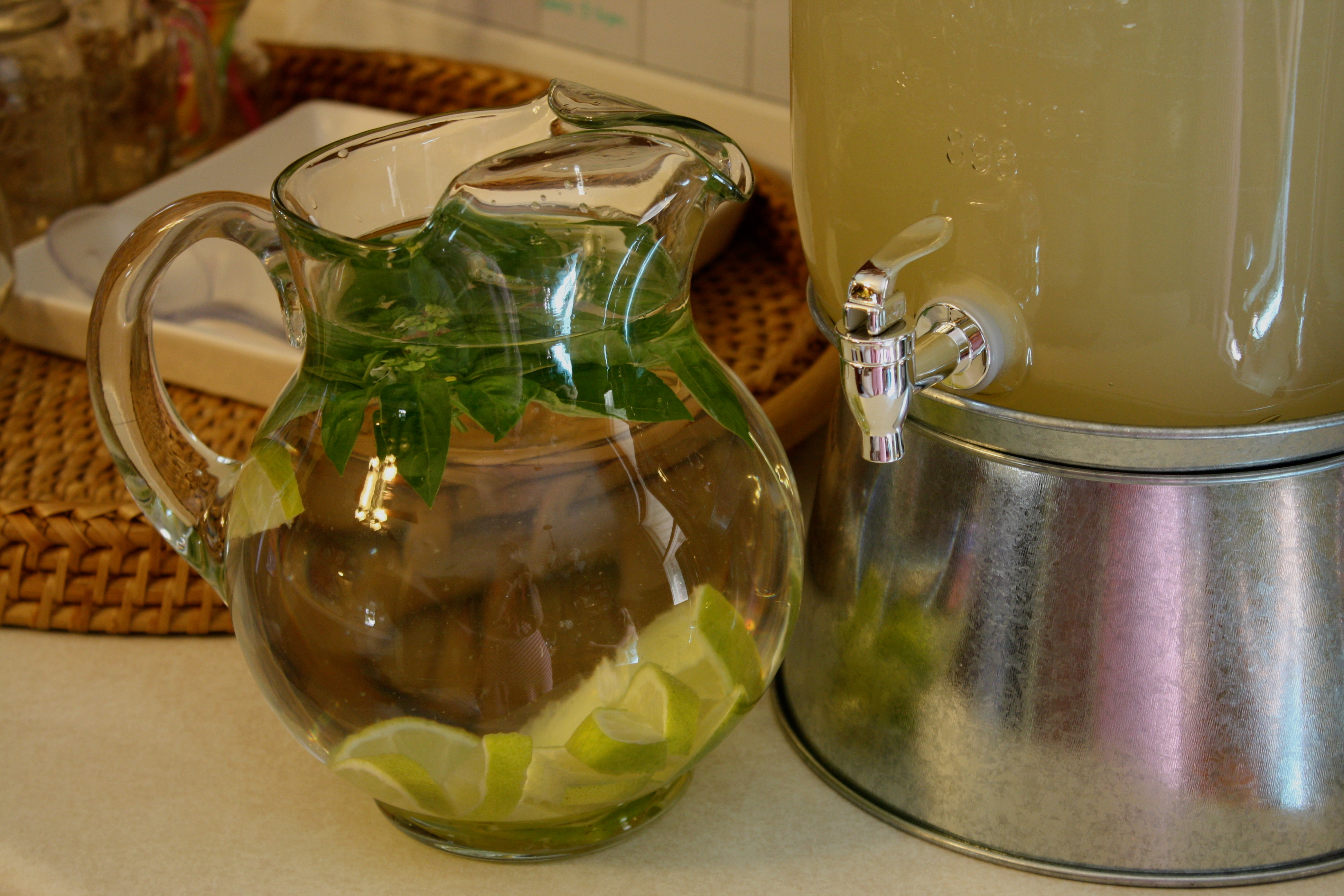
Also in the herb department, our basil and lavender are just beautiful this year.  I decided to try out Ashley English’s Lavender Lemonade from her book //ws-na.amazon-adsystem.com/widgets/q?ServiceVersion=20070822&OneJS=1&Operation=GetAdHtml&MarketPlace=US&source=ac&ref=qf_sp_asin_til&ad_type=product_link&tracking_id=makofahom-20&marketplace=amazon&region=US&placement=1611801281&asins=1611801281&linkId=XB3HIFBW6PW65FC3&show_border=true&link_opens_in_new_window=true“>Quench (using stevia to replace the sugar) and it was delicious!  I have also been making basil-lime water infusions and it puts a whole new face on my family’s hydration needs.

IMG_0814 IMG_0824

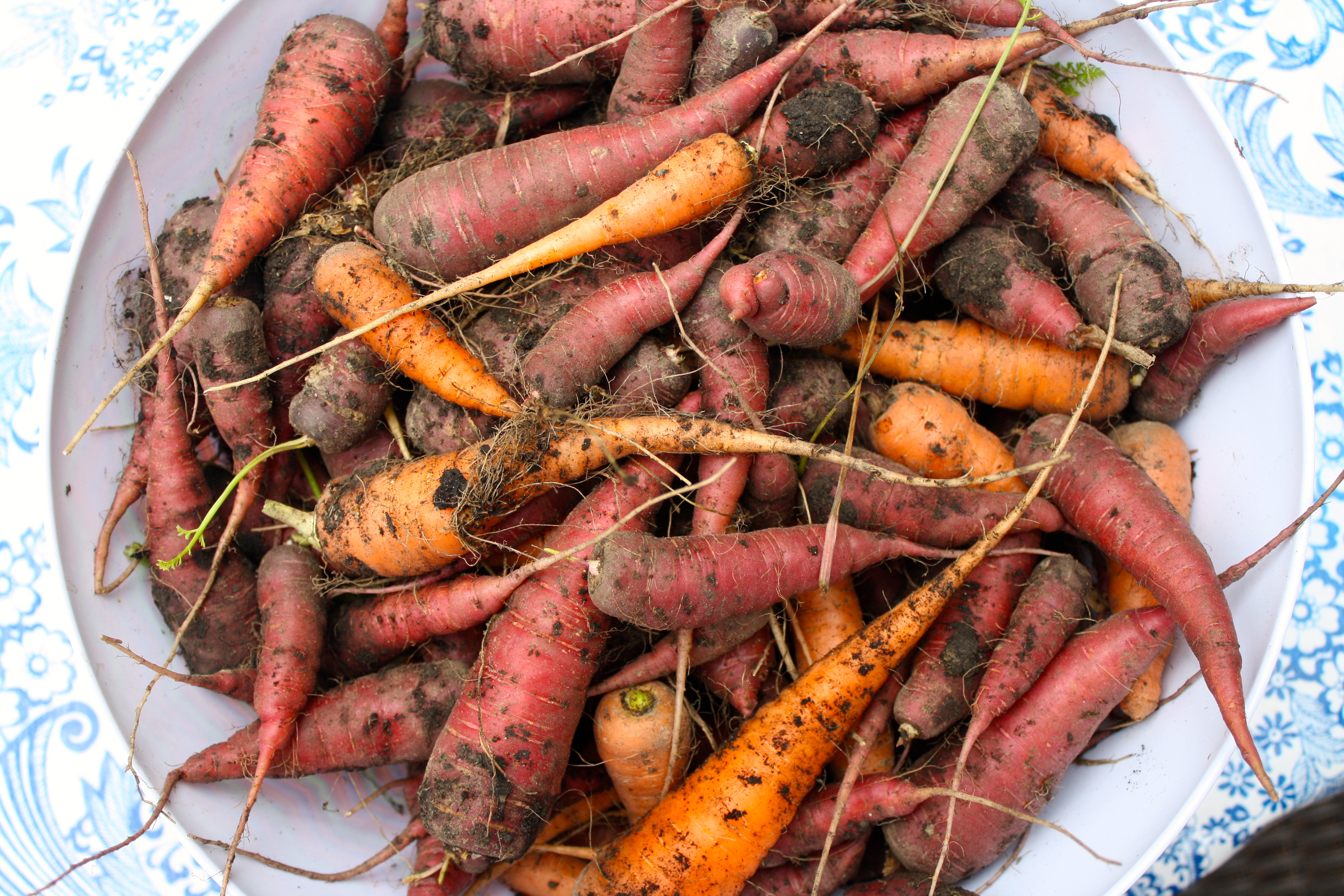
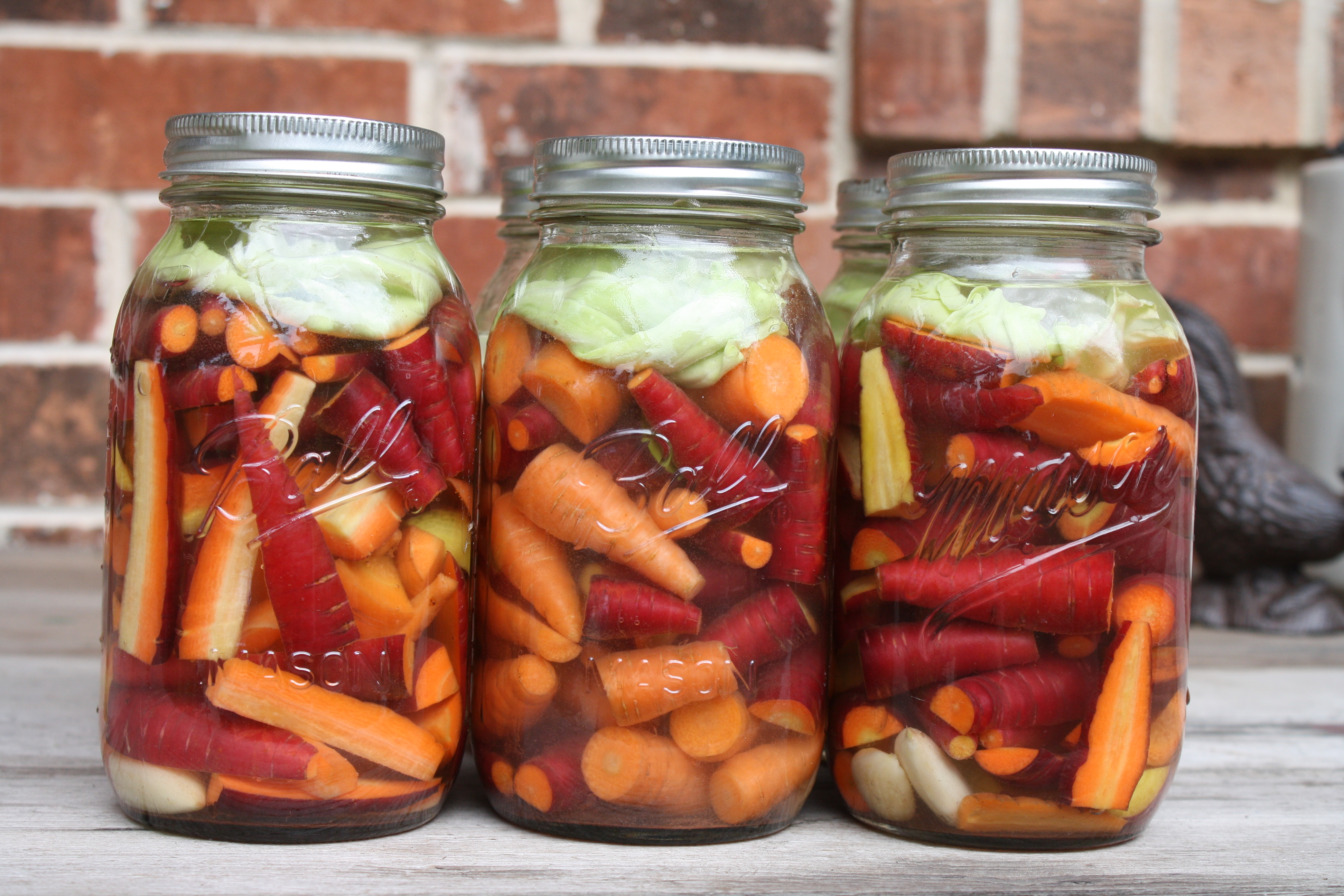
I pulled most of our carrots this week and tried my hand at lacto-fermentation.  So far, there is a lot of fermentation goodness in the form of carbon-dioxide bubbles rising to the surface of the jars when I burp them each day.  I am very excited to taste these in a few more days.

Coming up next week, I hope to share with you some of the recipes I have been working on, which feature so much of this garden goodness.  Until then, enjoy the remainder of your week!


First Garden Post of the Season

IMG_0725

Friends, I do believe this is the my first garden update of the summer.  How is this possible?  Oh my.  There is so much happening out there right now that I struggle with where to begin.  Let us begin with the herb garden…

IMG_0722

I am trying out some new herbs in our herb garden this year and, although it appears to be quite “junglish” right now, I am happy with what is coming out of it at this time.

IMG_0703 IMG_0711 IMG_0709

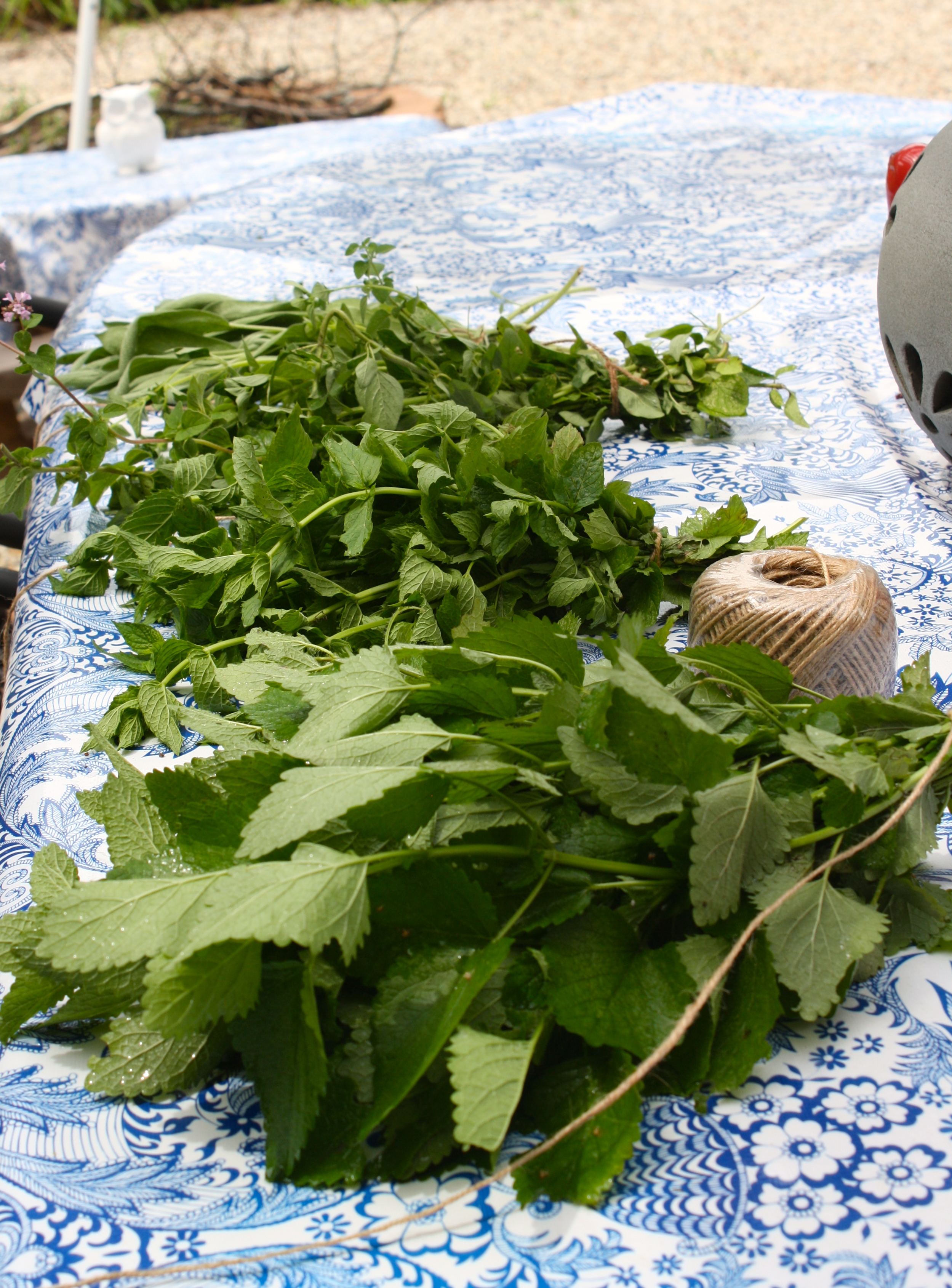
We are growing lemon balm for the first time this year, and I have begun drying it for tea and some other medicinal salves I hope to make this winter.  Lemon verbena is also new to our herb selection this year, and I have a liqueur in the works right now.  I promise to share the details of this venture as the process nears an end in three weeks. We also grew quite a bit of stevia this season, and this week I ran it through our dehydrator and then our spice grinder.  We now have a fine stevia powder to use in drinks throughout the remainder of summer and into fall.

IMG_0714

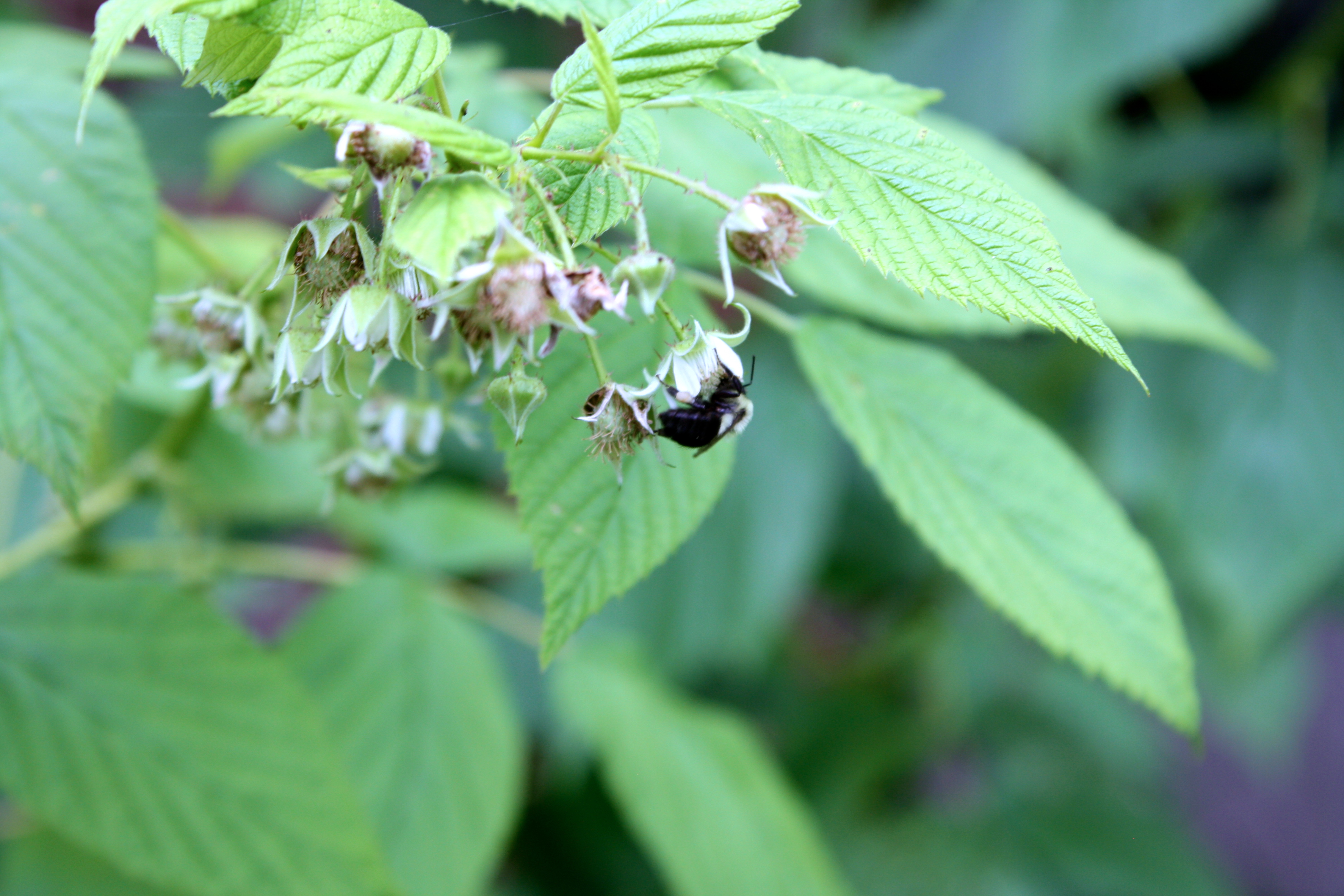
Next, along the south side of our house, we have a raspberry bramble that is booming this year in a way I have never seen.  The bees flock to the raspberries each day, and at any given time we can count almost 50 of them swarming the forming fruits.  I cannot wait to see the bounty we receive from these plants this year.

IMG_0717 IMG_0721

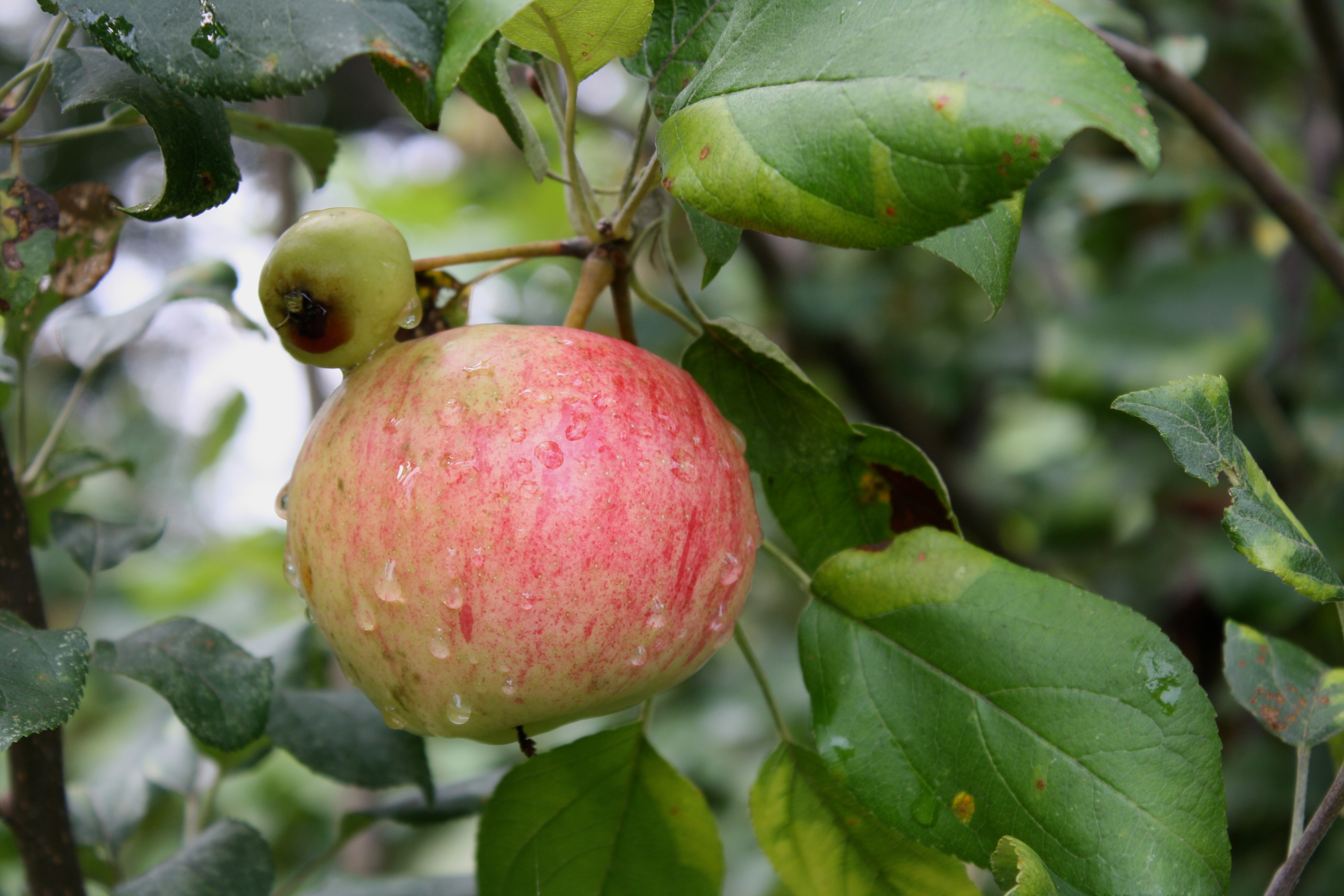
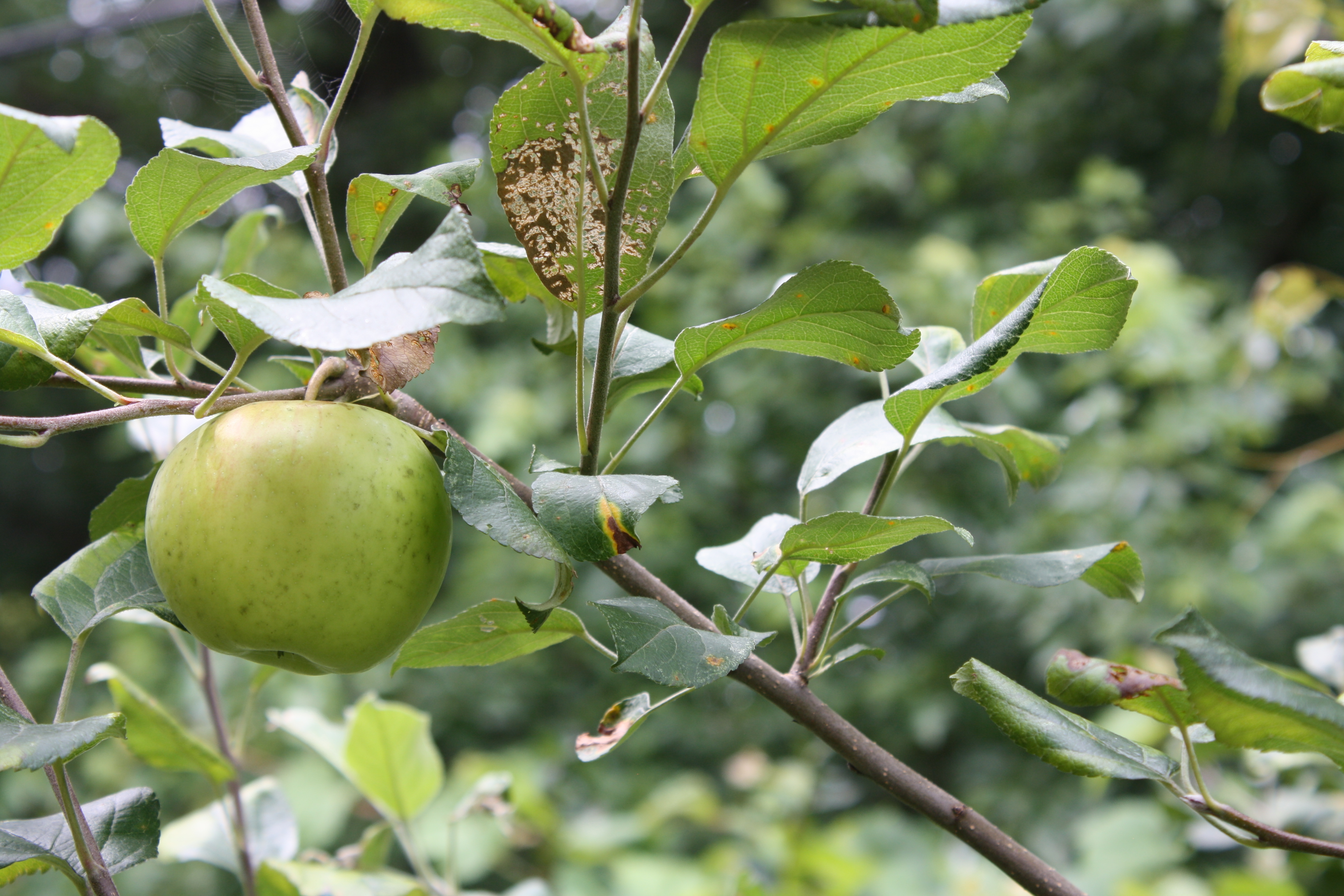
Our apple trees are actually producing some fruit this year, which is very exciting.  However, the Japanese beetles have slowly began taking them over, and each day I find more and more leaves have fallen prisoner to their wrath.  I fear we may lose all our apples before fall.

IMG_0427

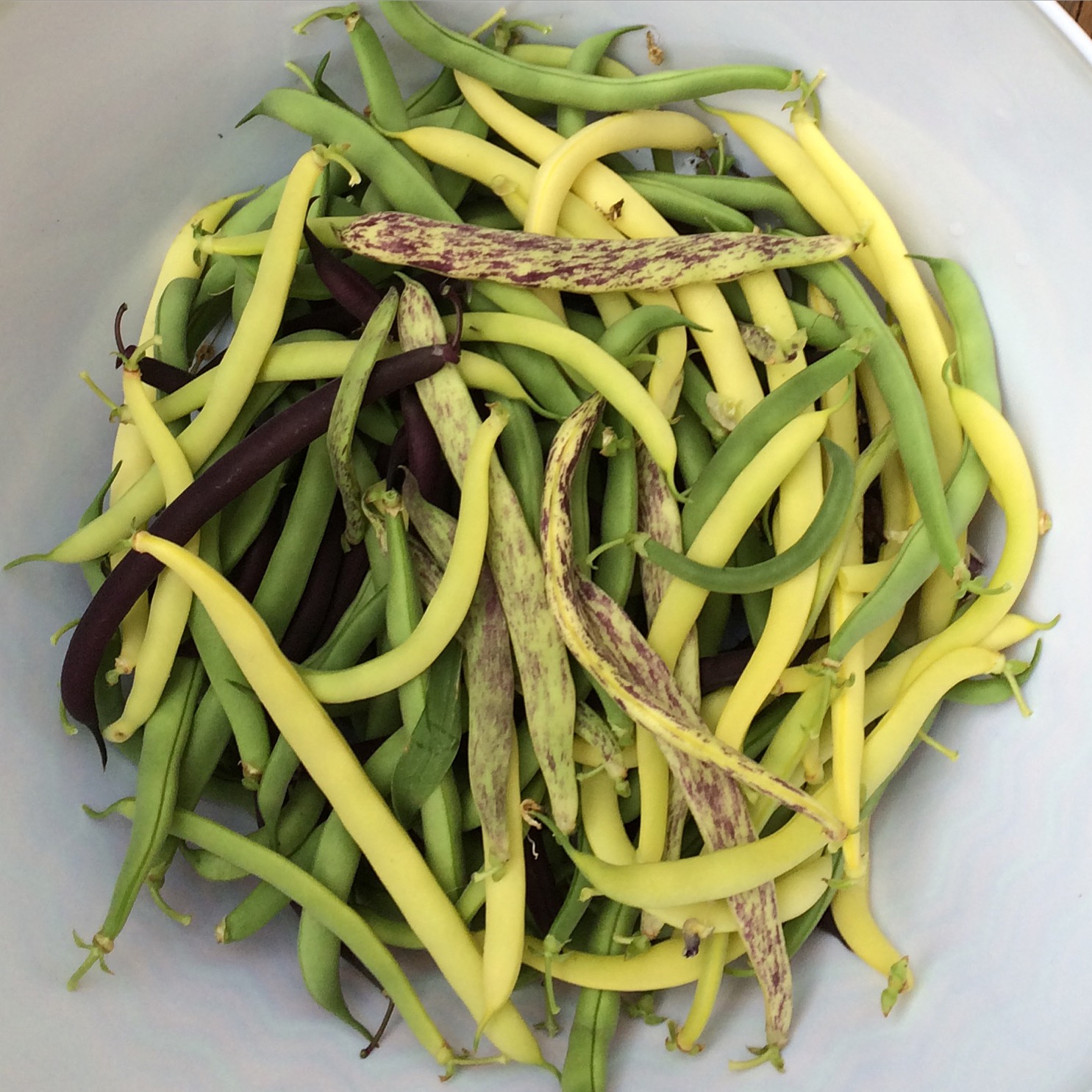
Finally we move into the main garden space where our beans are also finally coming in.  This year we are growing Bountiful, Purple Pod, Golden Wax, and Dragon Tongue (our family favorite) with it’s beautiful purple stripes.

IMG_0724

The extreme amounts of rain this summer have led to some of the tallest tomato plants we have ever had, but unfortunately they bear very few fruits.  My hunch is the cool temperatures this summer have inhibited fruit production on these plants.  My hope is as the temperature rise this week, we may see some tomatoes begin to form.

Thank you for joining me on my first garden tour of 2015!  I promise it will not be long until we venture into the garden again.